GELBER Pinselstrich I 1965 - Roy Lichtenstein Acryl-Druck - 70x100 cm / 28x40″ Zoll | Roy Lichtenstein Wandkunst | Roy Lichtenstein Drucke
GELBER Pinselstrich I 1965 - Roy Lichtenstein Acryl-Druck - 70x100 cm / 28x40″ Zoll | Roy Lichtenstein Wandkunst | Roy Lichtenstein Drucke
Verfügbarkeit für Abholungen konnte nicht geladen werden
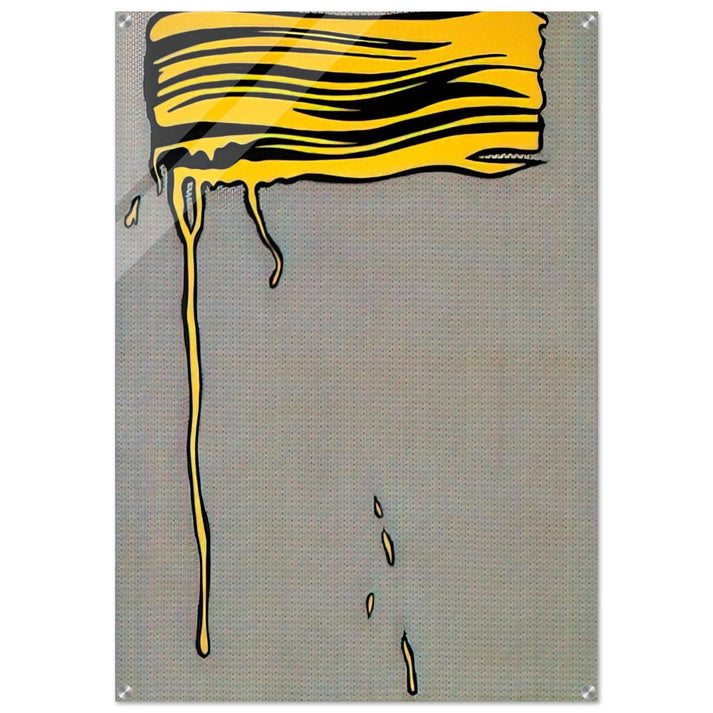
Gelber Pinselstrich I (1965) von Roy Lichtenstein
Tauchen Sie ein in die kühne, grafische Brillanz von Roy Lichtensteins ikonischem Werk Gelber Pinselstrich I (1965), einem Meisterwerk der Pop Art, das traditionelle Vorstellungen von Malerei und Massenmedien herausfordert. Dieses Werk verkörpert Lichtensteins Markenstil, in dem er die spontane Geste des Abstrakten Expressionismus in eine akribisch geplante, maschinenartige Ästhetik zerlegte. Durch die Isolierung eines einzelnen, leuchtend gelben Pinselstrichs vor einem schlichten Hintergrund kritisiert Lichtenstein die künstlerische Authentizität, während er die visuelle Kraft der kommerziellen Reproduktion feiert. Bei RedKalion ehren wir diese revolutionäre Vision mit einem museumsqualitativen Acryldruck, der jedes präzise Detail und jeden lebendigen Farbton einfängt und so dafür sorgt, dass dieses Kunstwerk als Druck zu einem Statement in jeder modernen Sammlung wird.
Kunsthistorische Einordnung
Erschaffen während der Hochphase der Pop-Art-Bewegung ist Gelber Pinselstrich I Teil von Lichtensteins gefeierter „Brushstroke“-Serie, in der er die emotionale Intensität von Abstrakten Expressionisten wie Jackson Pollock parodierte. Mithilfe von Ben-Day-Punkten und präzisen Konturen – Techniken, die aus Comics entlehnt wurden – verwandelte Lichtenstein eine rohe, expressive Markierung in ein kühles, mechanisches Symbol und verwischte so die Grenzen zwischen Hochkunst und Populärkultur. Dieses Roy-Lichtenstein-Wandbild bleibt ein Beweis für sein Genie bei der Neudefinition der Ästhetik des 20. Jahrhunderts.
Spezifikationen des Premium-Acryldrucks
Unsere archivbeständige Reproduktion wird nach Museumstandards gefertigt und bietet Haltbarkeit und visuelle Wirkung, die dem Original in nichts nachsteht. Dieser Roy-Lichtenstein-Druck misst 70x100 cm (28x40 Zoll) und ist damit perfekt auf moderne Innenräume abgestimmt.
- Material: Auf 4 mm (0,15 Zoll) hochwertigem Acryl gedruckt für eine elegante, lebendige Oberfläche, die die Farbsättigung verstärkt und vor dem Ausbleichen schützt.
- Design: Gerade geschnittene Ecken für ein sauberes, zeitgemäßes Aussehen, wobei transparente Hintergründe standardmäßig auf Weiß gesetzt sind, um eine optimale Präsentation zu gewährleisten.
- Aufhängeset: Enthält alle notwendigen Hardware-Komponenten – Schrauben und Schraublöcher, die 14 mm (0,55 Zoll) von jeder Kante entfernt positioniert sind, mit einem 8-mm-(0,31-Zoll)-Loch und 15-mm-(0,6-Zoll)-Schraubenkopf für eine sichere und mühelose Installation.
Veredeln Sie Ihren Raum mit einem archivbeständigen Meisterwerk, das Bestand hat – unterstützt durch RedKalions Engagement für Exzellenz in der Kunstreproduktion.
```
Discover Unlimited Art Possibilities
At RedKalion, you can find virtually any artwork from any artist, available in a wide range of sizes to perfectly match your space.
If you didn’t find what you’re looking for, contact us at support@redkalion.com . We will source any artwork and produce it in any size and format you need, including art prints, posters, canvas, framed pieces, framed canvas, and more.
For dedicated art enthusiasts, we also offer handcrafted replicas of any artwork, carefully painted by highly skilled artists using traditional techniques.
For custom requests, contact us at support@redkalion.com .
What is the significance of Yellow Brushstroke I by Roy Lichtenstein?
Yellow Brushstroke I (1965) is a key Pop Art work where Lichtenstein parodied Abstract Expressionism using comic-inspired techniques, making it a iconic piece of Roy Lichtenstein wall art that redefines modern aesthetics.
What are the dimensions of this Roy Lichtenstein acrylic print?
This museum-quality print measures 70x100 cm (28x40 inches), ideal for creating a bold statement with fine art reproduction in contemporary spaces.
What material is used for this Roy Lichtenstein print?
It's printed on 4mm (0.15") acrylic for a durable, vibrant finish that enhances color and resists fading in this premium art print.
How is this acrylic print shipped and installed?
We include a hanging kit with screws and pre-drilled holes 14mm from edges for easy setup, ensuring secure display of your Roy Lichtenstein wall art.
Is this print archival and long-lasting?
Yes, our archival-grade acrylic and inks ensure this Roy Lichtenstein print maintains its museum-quality vibrancy for years without fading.
Why did Lichtenstein use a yellow brushstroke in this artwork?
Lichtenstein chose yellow for its bold, attention-grabbing quality, contrasting with minimalist backgrounds to emphasize the mechanical reproduction of an expressive gesture in Pop Art.
How does the Brushstroke series relate to Lichtenstein's other works?
The Brushstroke series, including Yellow Brushstroke I, critiques Abstract Expressionism similarly to his comic-based pieces, using Ben-Day dots to blend high art and mass media themes.