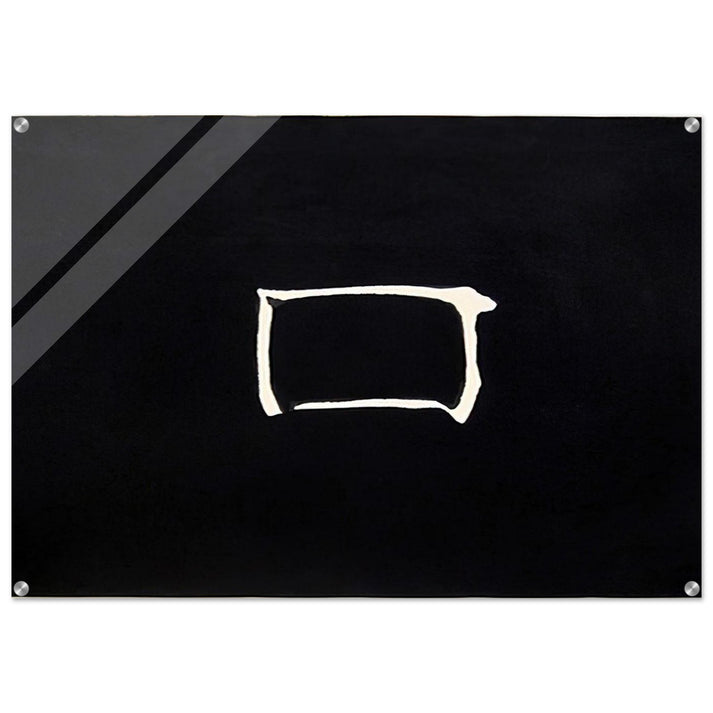


Arbeit - 1971 - Jiro Yoshihara Acryl-Druck - 70x100 cm / 28x40″ Zoll | Jiro Yoshihara Wandkunst | Jiro Yoshihara Drucke
Arbeit - 1971 - Jiro Yoshihara Acryl-Druck - 70x100 cm / 28x40″ Zoll | Jiro Yoshihara Wandkunst | Jiro Yoshihara Drucke
Verfügbarkeit für Abholungen konnte nicht geladen werden
Jiro Yoshiharas »Work - 1971«: Ein Gutai-Meisterwerk als Acryldruck
Tauchen Sie ein in den radikalen Geist des Nachkriegsjapans mit diesem musealen Acryldruck von Jiro Yoshiharas bahnbrechendem Werk aus dem Jahr 1971. Als Gründer der avantgardistischen Künstlergruppe Gutai prägte Yoshihara eine Philosophie der »Konkretheit«, die traditionelle künstlerische Grenzen sprengte und Spontaneität, Materialität sowie Performance umarmte. Dieses spät in seiner Karriere entstandene Werk verkörpert seinen ikonischen abstrakten Stil – ein dynamisches Zusammenspiel von expressiven, gestischen Formen und minimalistischer Komposition, das rohe Energie und meditative Tiefe ausstrahlt.
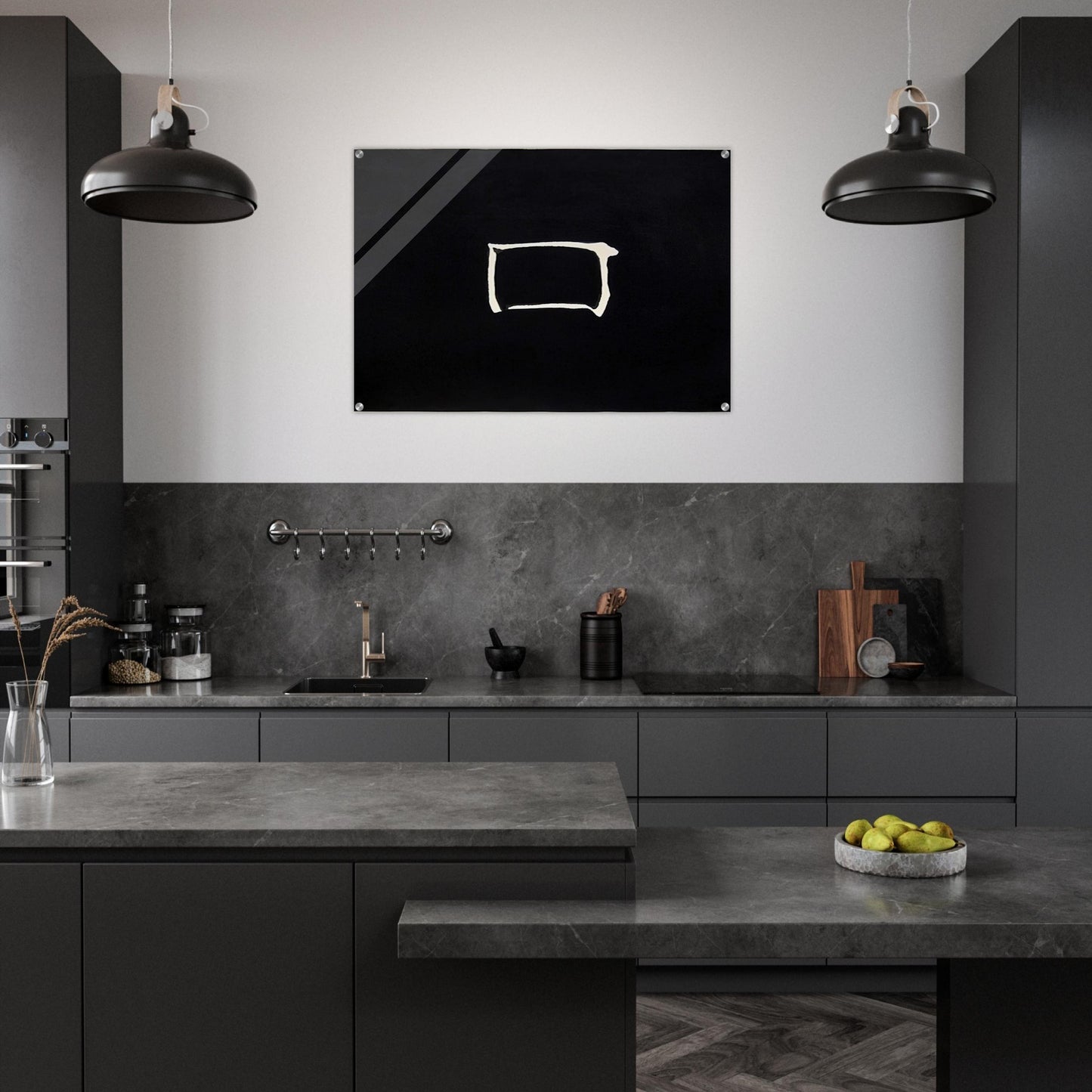
RedKalion präsentiert diese archivtaugliche Reproduktion als Hommage an Yoshiharas bleibenden Einfluss. Gedruckt auf 4 mm starkem Premium-Acryl bietet sie unvergleichliche Farbbrillanz und Klarheit, wobei die Farben auf der glatten, strapazierfähigen Oberfläche besonders leuchten. Die geraden Schnittkanten und das moderne Design sorgen für eine nahtlose Integration in zeitgenössische Räume, während transparente Hintergründe standardmäßig auf Weiß gesetzt werden, um eine optimale Präsentation zu gewährleisten. Jeder Druck enthält ein vollständiges Aufhängeset mit Befestigungselementen, Schrauben und vorgebohrten Löchern (14 mm vom Rand, 8 mm Durchmesser) für eine mühelose Installation.
Veredeln Sie Ihr Zuhause oder Büro mit einem Stück Kunstgeschichte. Dieses 70 x 100 cm große Wandbild von Jiro Yoshihara ist nicht nur eine Dekoration – es ist ein Gesprächsstoff, ein Ausschnitt aus der kulturellen Revolution und ein langlebiges Erbstück, das für die Ewigkeit geschaffen wurde.
- Künstler: Jiro Yoshihara (1905–1972), japanischer avantgardistischer Maler und Gutai-Anführer.
- Titel: »Work - 1971«, ein zentrales Werk seiner Phase des abstrakten Expressionismus.
- Drucktyp: Hochauflösender Acryldruck auf 4 mm archivtauglichem Material.
- Maße: 70 x 100 cm / 28 x 40 Zoll, ideal für repräsentative Wände.
- Enthalten: Komplettes Aufhängeset mit Schrauben und vorgebohrten Löchern für einfache Montage.


Discover Unlimited Art Possibilities
At RedKalion, you can find virtually any artwork from any artist, available in a wide range of sizes to perfectly match your space.
If you didn’t find what you’re looking for, contact us at support@redkalion.com . We will source any artwork and produce it in any size and format you need, including art prints, posters, canvas, framed pieces, framed canvas, and more.
For dedicated art enthusiasts, we also offer handcrafted replicas of any artwork, carefully painted by highly skilled artists using traditional techniques.
For custom requests, contact us at support@redkalion.com .
What is the significance of Jiro Yoshihara's 'Work - 1971' in art history?
This 1971 piece by Jiro Yoshihara is a landmark of the Gutai movement, showcasing his abstract expressionist style that emphasized spontaneity and material innovation, influencing post-war Japanese and global avant-garde art.
How does the acrylic material enhance this fine art print?
The 4mm (0.15") acrylic provides a sleek, vibrant finish with deep color saturation and durability, making this museum-quality reproduction resistant to fading and ideal for long-term display.
What are the dimensions and hanging details for this Jiro Yoshihara wall art?
It measures 70x100 cm (28x40") with straight-cut corners and includes a hanging kit: screws and pre-drilled holes 14mm from the edge (8mm diameter) for easy, secure installation.
Is this print archival and how should I care for it?
Yes, this archival-grade acrylic print is designed to resist UV light and moisture, ensuring longevity. Clean gently with a soft, dry cloth to maintain its vibrant appearance.
What shipping and return options does RedKalion offer for this product?
RedKalion provides secure, tracked shipping worldwide and a 30-day return policy for unused items, ensuring a trusted purchase experience for your Jiro Yoshihara prints.
What artistic techniques did Yoshihara use in his 1970s works?
In the 1970s, Yoshihara often employed bold, gestural brushstrokes and minimalist compositions, blending abstract expressionism with Gutai's focus on materiality and process-driven creation.
Why are transparent backgrounds set to white in this acrylic print?
Transparent backgrounds default to white to optimize visual presentation, enhancing contrast and ensuring the artwork's details stand out clearly in any lighting environment.