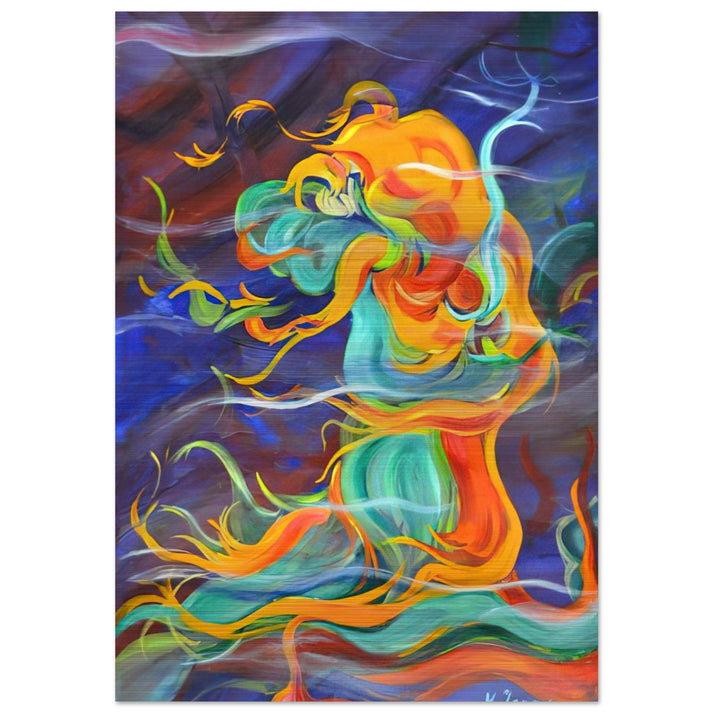


Wind - 1963 - Konrad Zuse Aluminium-Druck auf brushed Aluminium - 70x100 cm / 28x40 Zoll | Konrad Zuse Aluminium-Druck | Konrad Zuse Drucke
Wind - 1963 - Konrad Zuse Aluminium-Druck auf brushed Aluminium - 70x100 cm / 28x40 Zoll | Konrad Zuse Aluminium-Druck | Konrad Zuse Drucke
Verfügbarkeit für Abholungen konnte nicht geladen werden
Wind (1963) von Konrad Zuse: Ein Aluminiumdruck mit gebürsteter Oberfläche – Kunst der Berechnung
Erleben Sie die bahnbrechende Vision von Konrad Zuse mit diesem museumstauglichen Aluminiumdruck von Wind (1963). Als Erfinder des ersten programmierbaren Computers verband Zuse in seinen künstlerischen Arbeiten der 1960er Jahre mathematische Präzision mit abstrakter Expression und schuf dynamische Kompositionen, die die Essenz von Bewegung und Technologie einfangen. Dieses Werk mit seinen wirbelnden Formen und rhythmischen Linien evoziert die unsichtbare Kraft des Windes – ein Beweis für Zuses Genie, komplexe Systeme durch Kunst sichtbar zu machen.
RedKalion präsentiert diese archivwürdige Reproduktion auf gebürstetem silbernem Aluminium DIBOND®, einem Premium-Material, das den metallischen Glanz des Kunstwerks und die horizontale Maserung für einen dynamischen, zeitgenössischen Look unterstreicht. Mit den Maßen 70x100 cm (28x40 Zoll) und einer 3 mm (0,12") Dicke bietet der Druck eine stabile, robuste Grundlage für Langlebigkeit. Der Direktdruck auf AluDibond sorgt für lebendige Farben und eine matte, blendfreie Oberfläche, ideal für Schwarz-Weiß-Designs. Unbedruckte weiße Bereiche zeigen einen markanten metallischen Silbereffekt, der Tiefe und Raffinesse verleiht.
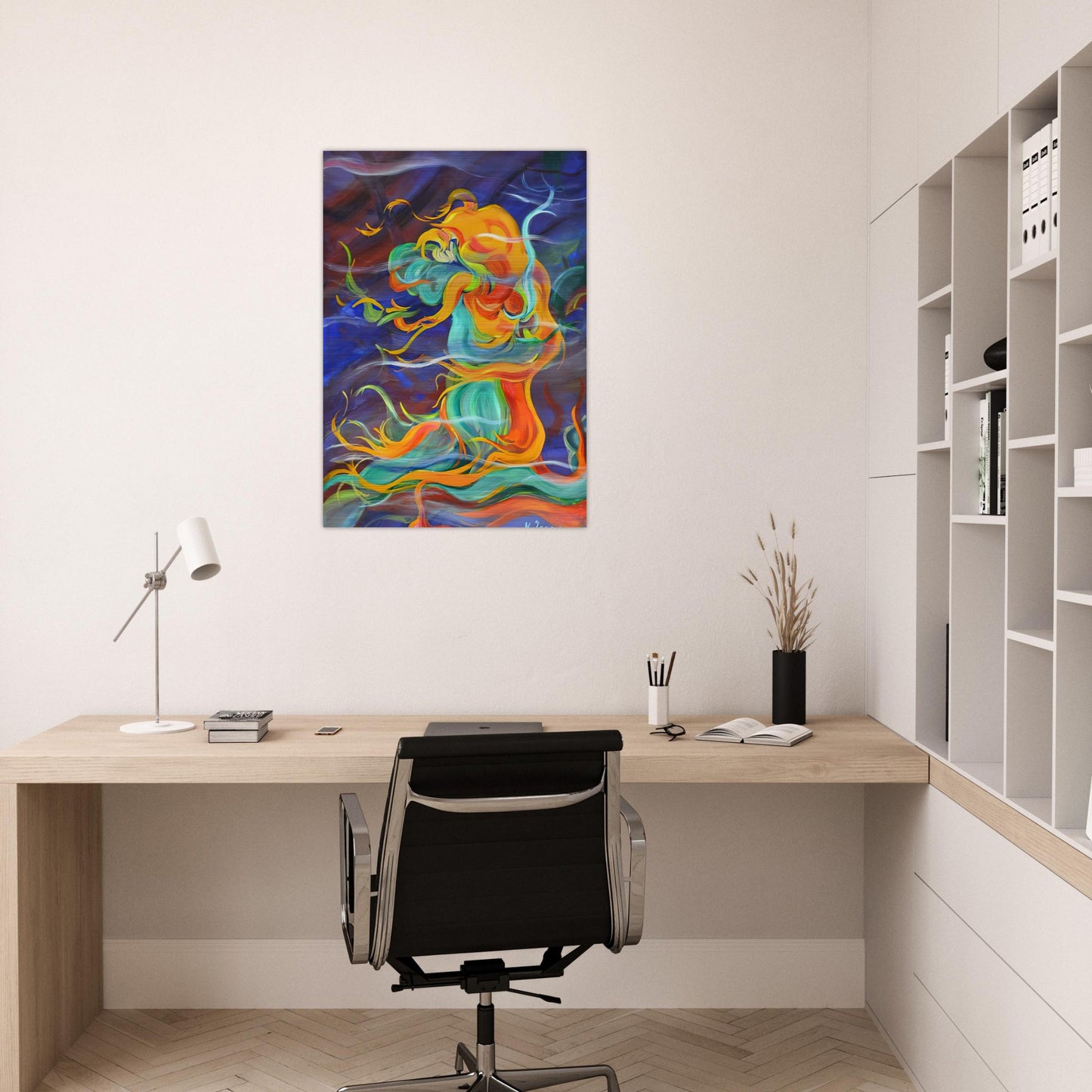
Veredeln Sie Ihren Raum mit einem Werk, das Kunst und Innovation verbindet. Dieser Aluminiumdruck von Konrad Zuse ist nicht nur eine Dekoration, sondern ein Gesprächsstoff – perfekt für moderne Innenräume, Büros oder Galerien, die wegweisende historische Kunst präsentieren möchten. Vertrauen Sie RedKalion für sorgfältig kuratierte Reproduktionen, die die ursprüngliche Intention des Künstlers mit unübertroffener Qualität ehren.
- Material: Gebürstetes silbernes Aluminium DIBOND® mit metallischer Oberfläche und horizontaler Maserung.
- Größe: 70x100 cm / 28x40 Zoll.
- Dicke: 3 mm (0,12") für Stabilität.
- Druck: Direktdruck auf AluDibond mit matter Oberfläche und lebendigen Farben.
- Enthalten: Aufhängeset (variiert je nach Lieferland).


Discover Unlimited Art Possibilities
At RedKalion, you can find virtually any artwork from any artist, available in a wide range of sizes to perfectly match your space.
If you didn’t find what you’re looking for, contact us at support@redkalion.com . We will source any artwork and produce it in any size and format you need, including art prints, posters, canvas, framed pieces, framed canvas, and more.
For dedicated art enthusiasts, we also offer handcrafted replicas of any artwork, carefully painted by highly skilled artists using traditional techniques.
For custom requests, contact us at support@redkalion.com .
What is the historical significance of Konrad Zuse's Wind (1963)?
Wind (1963) reflects Konrad Zuse's transition from computing pioneer to artist, blending mathematical abstraction with dynamic movement to visualize natural forces through a technological lens in mid-20th century art.
How does the brushed aluminum material enhance this fine art print?
The brushed silver Aluminum DIBOND® adds a metallic finish and horizontal grain, creating a dynamic look that complements Zuse's abstract style with a durable, museum-quality reproduction for modern displays.
What are the specifications of this Konrad Zuse aluminum print?
This premium print measures 70x100 cm (28x40 inches), is 3mm thick with a matte finish, and uses direct printing on AluDibond for vivid colors and archival longevity in fine art reproductions.
Is a hanging kit included with this museum-quality print?
Yes, a hanging kit is included for easy installation, though it may vary by fulfillment country to ensure secure mounting for your Konrad Zuse brushed aluminum print.
How does the matte finish benefit this black-and-white artwork?
The glare-free matte finish on this aluminum print reduces reflections, enhancing the contrast and brushed silver effect ideal for black-and-white designs like Zuse's Wind (1963).
What makes this a durable and archival-grade reproduction?
Printed directly on 3mm Aluminum DIBOND®, this piece resists fading and damage, offering long-lasting quality as a premium Konrad Zuse print for art collectors.
Can you describe the artistic details in Wind (1963)?
Wind (1963) features swirling abstract forms that mimic wind patterns, showcasing Zuse's use of linear rhythms and metallic tones to evoke motion and computational artistry.