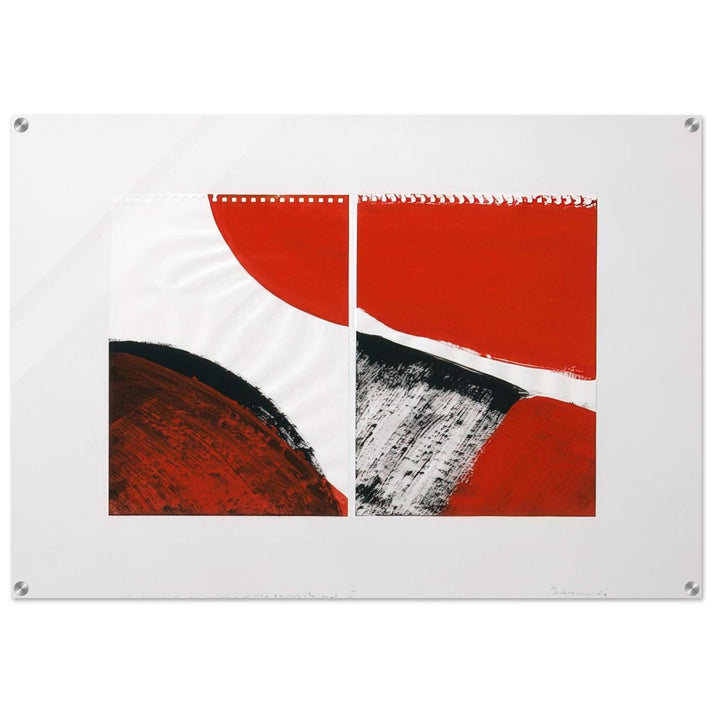


Wer kennt den Anfang und wer kennt das Ende II - 1976 - Blinky Palermo - Acryl auf Leinwand - 70x100 cm / 28x40″ Zoll
Wer kennt den Anfang und wer kennt das Ende II - 1976 - Blinky Palermo - Acryl auf Leinwand - 70x100 cm / 28x40″ Zoll
Verfügbarkeit für Abholungen konnte nicht geladen werden
Wer kennt den Anfang und wer kennt das Ende II (1976) von Blinky Palermo
Tauchen Sie ein in die minimalistische Eleganz von Blinky Palermos Wer kennt den Anfang und wer kennt das Ende II, einem bahnbrechenden Werk aus dem Jahr 1976, das die abstrakte Kunst neu definiert. Dieser Acryldruck fängt die Erforschung geometrischer Formen und räumlicher Beziehungen durch den Künstler ein und bietet eine museumswürdige Reproduktion, die jedem Interieur einen Hauch avantgardistischer Eleganz verleiht. Palermo, eine Schlüsselfigur der deutschen Nachkriegskunst, verbindet Farbe und Form meisterhaft, um ein Gefühl kontemplativer Mystik zu evozieren – dieses Werk ist eine zeitlose Bereicherung für moderne Sammlungen.
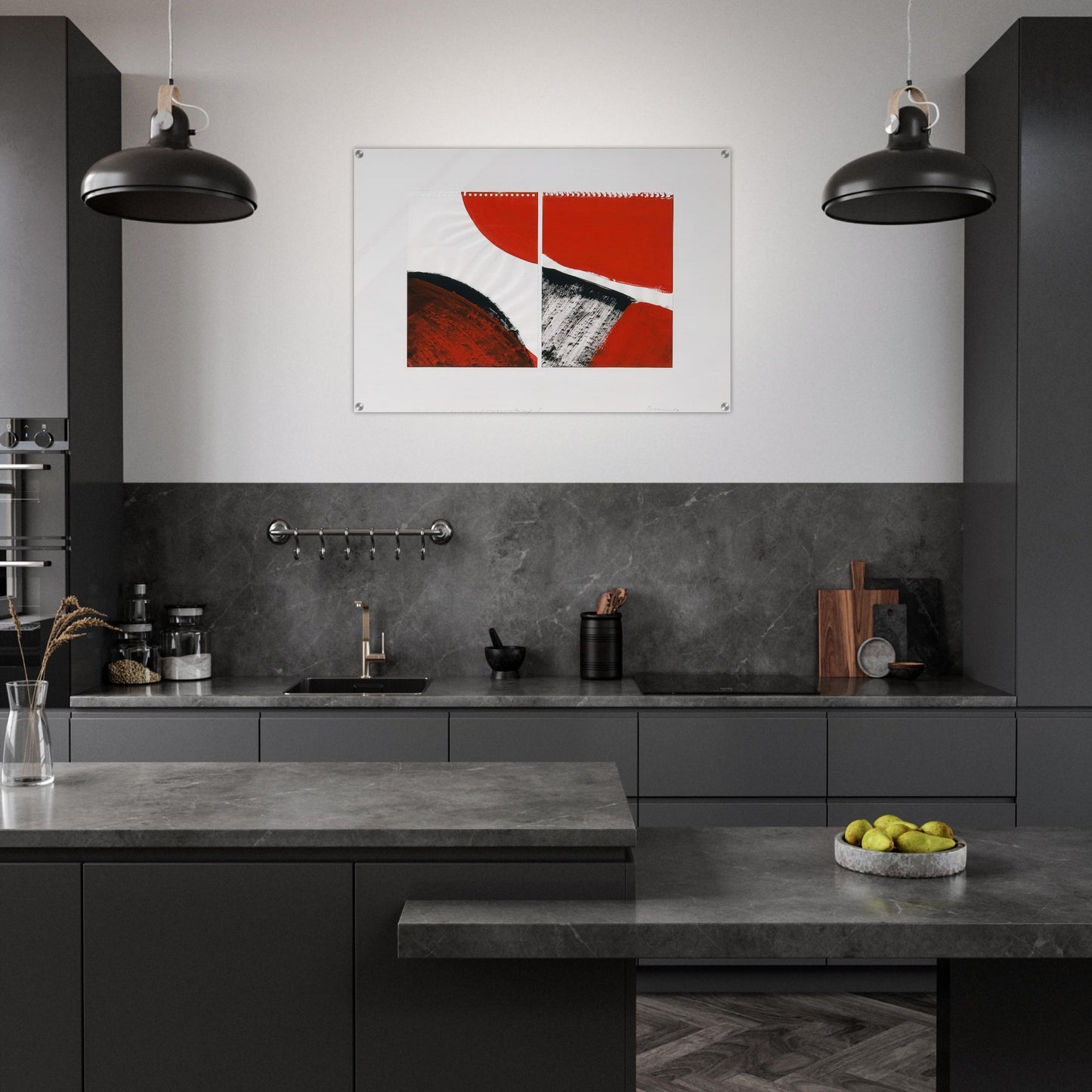
RedKalion präsentiert diesen archivtauglichen Fine-Art-Druck auf hochwertigem 4 mm (0,15") Acryl, das lebendige Farben und eine elegante, strapazierfähige Oberfläche garantiert, die nicht verblasst. Mit geraden Schnittkanten für einen modernen Look und einem mitgelieferten Aufhängeset für mühelose Installation ist diese 70 x 100 cm / 28 x 40"-Reproduktion auf Langlebigkeit ausgelegt – damit Sie Ihren Raum mit einem Stück Kunstgeschichte aufwerten können.
- Künstler: Blinky Palermo
- Jahr: 1976
- Maße: 70 x 100 cm / 28 x 40" Zoll
- Material: 4 mm (0,15") Acryl mit strapazierfähiger, farbenfroher Oberfläche
- Design: Gerade Schnittkanten; transparente Hintergründe werden standardmäßig weiß dargestellt
- Aufhängeset: Enthält Befestigungselemente, Schrauben und vorgebohrte Löcher (14 mm vom Rand, 8 mm Durchmesser, 15 mm Schraubenkopf)
Als vertrauenswürdiger Kurator weltklasse Reproduktionen stellt RedKalion sicher, dass jedes Detail – vom Archivpapier bis zur präzisen Farbabstimmung – höchsten Ansprüchen genügt. Entdecken Sie den zeitlosen Charme von Palermos abstrakter Vision und verwandeln Sie Ihre Umgebung in einen Raum, der Gespräche anregt und zum Nachdenken anregt.
```


Discover Unlimited Art Possibilities
At RedKalion, you can find virtually any artwork from any artist, available in a wide range of sizes to perfectly match your space.
If you didn’t find what you’re looking for, contact us at support@redkalion.com . We will source any artwork and produce it in any size and format you need, including art prints, posters, canvas, framed pieces, framed canvas, and more.
For dedicated art enthusiasts, we also offer handcrafted replicas of any artwork, carefully painted by highly skilled artists using traditional techniques.
For custom requests, contact us at support@redkalion.com .
What are the dimensions of this Blinky Palermo acrylic print?
This fine art print measures 70x100 cm or 28x40 inches, making it an ideal size for prominent display in homes or offices as a museum-quality reproduction.
What material is used for this acrylic print?
It features 4mm (0.15") acrylic for a sleek, vibrant, and durable finish that enhances the artwork's colors and ensures long-lasting quality.
How is this print shipped and installed?
It includes a hanging kit with hardware and screws, plus pre-drilled holes (14mm from edge, 8mm diameter) for easy, secure mounting of your archival art piece.
Is this print archival and fade-resistant?
Yes, this museum-quality reproduction uses archival-grade materials to resist fading, ensuring your Blinky Palermo artwork remains vibrant for years.
What design features does this acrylic print have?
It has straight-cut corners for a modern look, and transparent backgrounds default to white for optimal presentation of this abstract art print.
What is the historical significance of Blinky Palermo's 1976 work?
This piece reflects Palermo's minimalist approach in post-war German art, exploring geometric abstraction and spatial concepts that influenced contemporary art movements.
How does this print capture Palermo's artistic technique?
It reproduces his use of bold colors and precise forms, highlighting his focus on materiality and perception in abstract compositions from the 1970s.