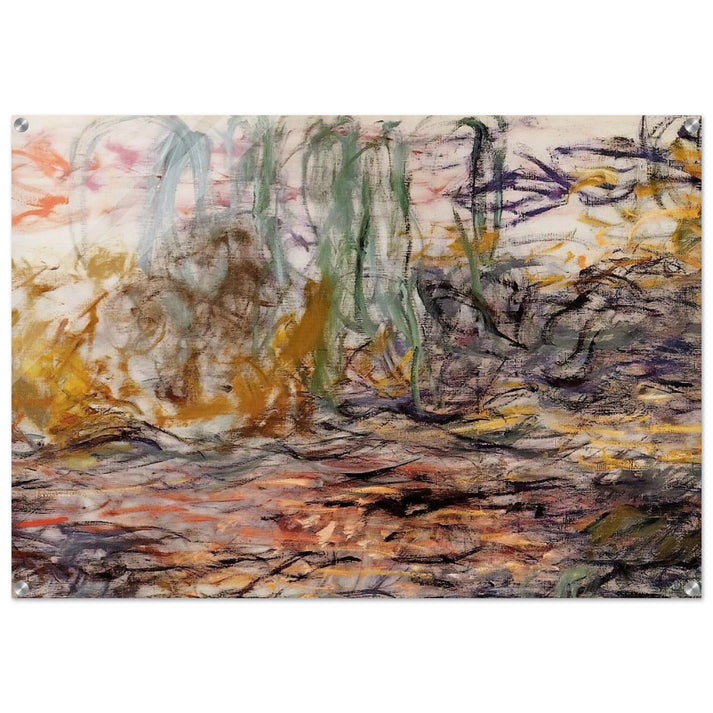


Seerosen, halb links - Claude Monet Acrylbild - 70x100 cm / 28x40″ Zoll
Seerosen, halb links - Claude Monet Acrylbild - 70x100 cm / 28x40″ Zoll
Verfügbarkeit für Abholungen konnte nicht geladen werden
Claude Monets Seerosen, linke Hälfte: Ein Meisterwerk des Impressionismus
Tauchen Sie ein in die friedvolle Schönheit von Claude Monets Seerosen, linke Hälfte, einem faszinierenden Ausschnitt aus seiner ikonischen Serie, die die moderne Kunst neu definierte. Dieses museumstaugliche Acrylbild fängt das Wesen von Monets bahnbrechender impressionistischer Technik ein, bei der gefleckte Lichteffekte und reflektierendes Wasser eine traumhafte, ruhige Atmosphäre schaffen. Gemalt in seinem Garten in Giverny, verkörpert dieses Werk Monets lebenslange Besessenheit, flüchtige Momente der Natur einzufangen, und macht es zu einem zeitlosen Highlight für jeden anspruchsvollen Raum.
RedKalion präsentiert diese archivtaugliche Reproduktion auf 4 mm (0,15") Acryl, die einen schlanken, lebendigen Glanz bietet und die leuchtenden Farben und feinen Pinselstriche des Gemäldes betont. Mit geraden Schnittkanten für einen modernen Look und einem standardmäßigen weißen Hintergrund für transparente Bereiche ist dieses Stück darauf ausgelegt, Ihr Zuhause oder Büro mit zeitloser Eleganz aufzuwerten. Jedes Bild enthält ein vollständiges Aufhängeset mit Befestigungselementen, Schrauben und vorgebohrten Löchern (14 mm vom Rand, 8 mm Durchmesser) für eine mühelose Installation.
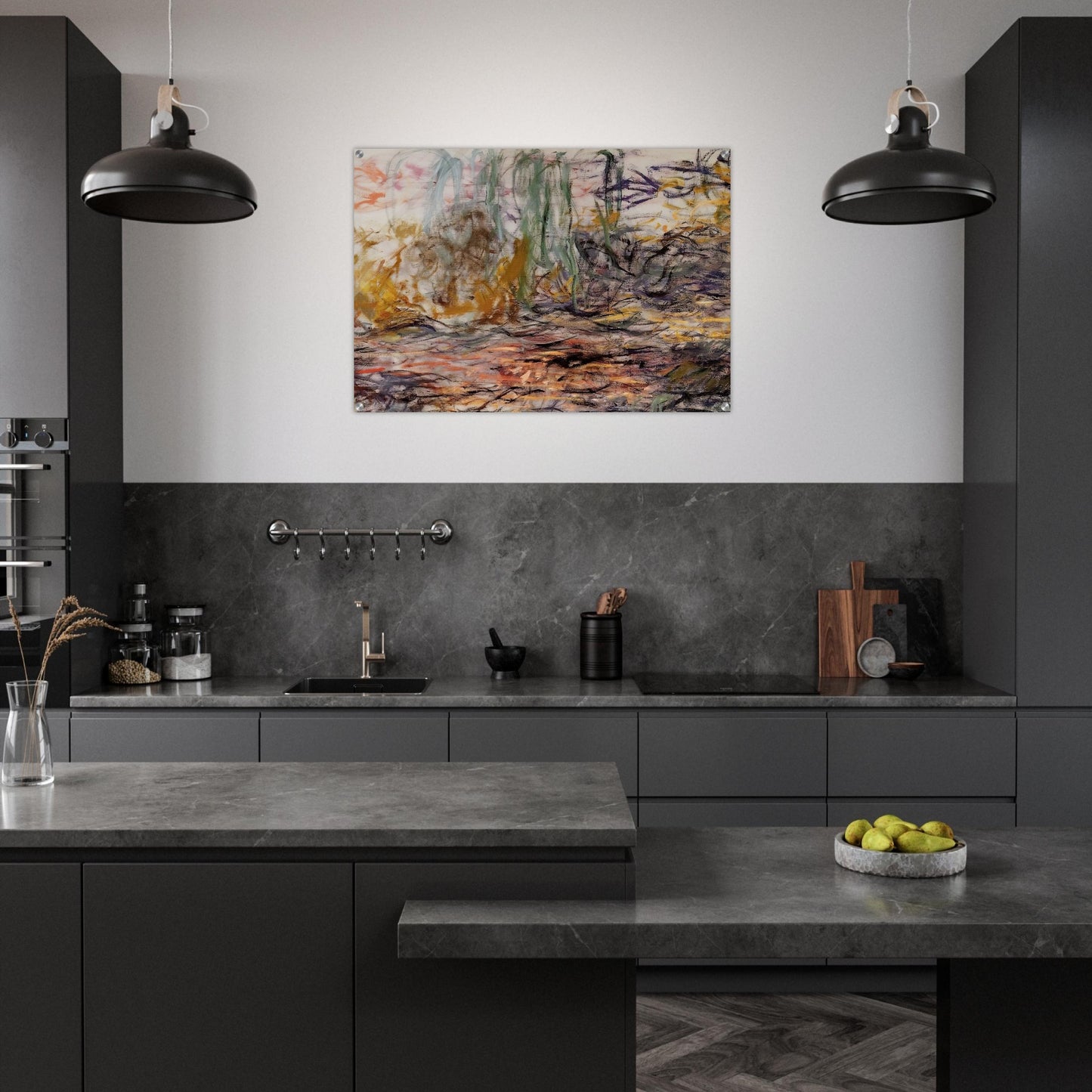
Mit den Maßen 70 x 100 cm / 28 x 40" Zoll ist dieses hochwertige Kunstdruck ein Statement-Stück, das zum Nachdenken und Bewundern einlädt. Vertrauen Sie RedKalion für eine erstklassige Reproduktion, die Monets Vermächtnis ehrt und historische Bedeutung mit zeitgenössischer Handwerkskunst verbindet – für ein Kunstwerk, das Bestand hat.
```


Discover Unlimited Art Possibilities
At RedKalion, you can find virtually any artwork from any artist, available in a wide range of sizes to perfectly match your space.
If you didn’t find what you’re looking for, contact us at support@redkalion.com . We will source any artwork and produce it in any size and format you need, including art prints, posters, canvas, framed pieces, framed canvas, and more.
For dedicated art enthusiasts, we also offer handcrafted replicas of any artwork, carefully painted by highly skilled artists using traditional techniques.
For custom requests, contact us at support@redkalion.com .
What is the historical significance of Claude Monet's Water Lilies series?
Claude Monet's Water Lilies series, painted in his Giverny garden from the 1890s, revolutionized Impressionism by focusing on light, reflection, and abstraction, influencing modern art movements like Abstract Expressionism.
How does the acrylic material enhance this Monet print?
The 4mm acrylic provides a vibrant, durable finish that intensifies colors and adds depth, making it ideal for museum-quality reproductions of Impressionist masterpieces like Water Lilies.
This print measures 70x100 cm (28x40 inches) with pre-drilled holes 14mm from the edge and 8mm diameter, including a full hanging kit for easy installation of your fine art piece.
Is this print archival and fade-resistant?
Yes, our archival-grade materials ensure long-lasting vibrancy and fade resistance, preserving your Monet reproduction as a durable art investment for years.
How is shipping handled for this large format print?
We ship worldwide with secure packaging to protect your acrylic print, ensuring it arrives ready to display as a premium art reproduction.
Why did Monet focus on water lilies in his later work?
Monet was fascinated by the changing light and reflections on his water garden, using water lilies to explore color and form in his quest to capture nature's ephemeral beauty.
What makes RedKalion's reproductions museum-quality?
We use high-resolution imaging and archival materials, like 4mm acrylic, to create precise, vibrant reproductions that meet gallery standards for fine art prints.