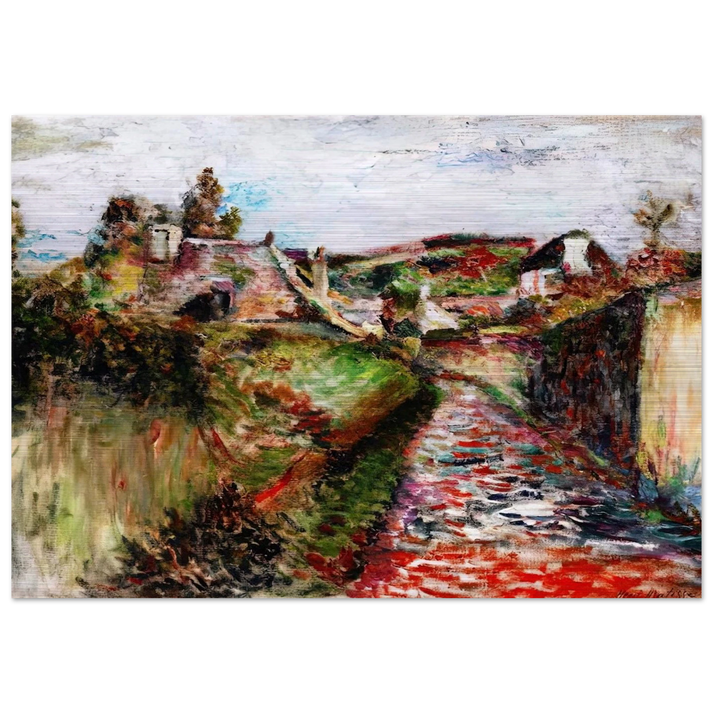


ANSICHT VON BELLE-ÎLE 1897 - Henri Matisse Aluminium-Druck - 70x100 cm / 28x40 Zoll | Henri Matisse Aluminium-Druck | Henri Matisse Drucke
ANSICHT VON BELLE-ÎLE 1897 - Henri Matisse Aluminium-Druck - 70x100 cm / 28x40 Zoll | Henri Matisse Aluminium-Druck | Henri Matisse Drucke
Verfügbarkeit für Abholungen konnte nicht geladen werden
Henri Matisse’ Blick auf Belle-Île, 1897 – Ein modernistisches Meisterwerk auf Premium-Aluminium
Erleben Sie die lebendige Energie von Henri Matisses früher Fauvismus-Periode mit dieser museumswürdigen Reproduktion von Blick auf Belle-Île, 1897. Diese ikonische Landschaft fängt die raue Küste von Belle-Île-en-Mer ein, wo Matisses kühner Farbgebrauch und ausdrucksstarke Pinselstriche einen revolutionären Bruch mit dem Impressionismus einläuteten. Unser archivfestes gebürstetes silbernes Aluminium DIBOND®-Print lässt dieses historische Kunstwerk mit atemberaubender Klarheit und Langlebigkeit lebendig werden.
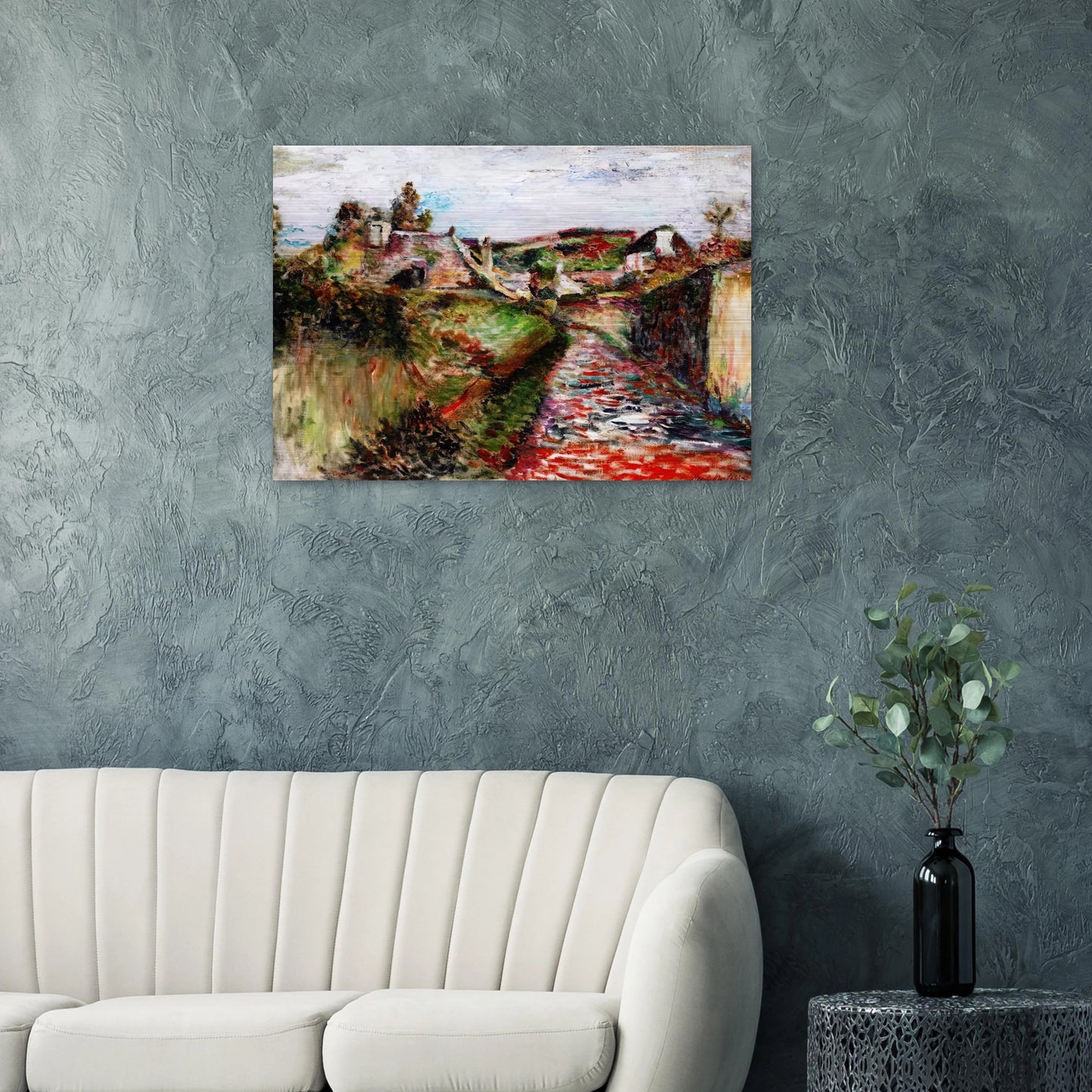
Fachmännisch direkt auf eine 3 mm (0,12 Zoll) dicke Aluminiumplatte gedruckt, zeichnet sich dieses Werk durch eine matte, blendfreie Oberfläche aus, die die lebendigen Farben und die dynamische Komposition unterstreicht. Die unbedruckten Bereiche zeigen einen markanten metallischen Silbereffekt, der Matisses modernistische Vision um einen zeitgenössischen Eleganzschimmer ergänzt. Jedes Print enthält ein vollständiges Aufhängeset für müheloses Anbringen – eine nahtlose Bereicherung für jedes anspruchsvolle Interieur.
Bei RedKalion spezialisieren wir uns auf hochwertige Kunstreproduktionen, die höchsten Archivstandards entsprechen. Dieses Henri-Matisse-Aluminium-Print ist mehr als nur eine Dekoration – es ist ein Zeugnis künstlerischer Innovation, das für Generationen geschaffen wurde. Veredeln Sie Ihren Raum mit einem Werk, das die Kunst des 19. Jahrhunderts mit dem Handwerk des 21. Jahrhunderts verbindet.
```


Discover Unlimited Art Possibilities
At RedKalion, you can find virtually any artwork from any artist, available in a wide range of sizes to perfectly match your space.
If you didn’t find what you’re looking for, contact us at support@redkalion.com . We will source any artwork and produce it in any size and format you need, including art prints, posters, canvas, framed pieces, framed canvas, and more.
For dedicated art enthusiasts, we also offer handcrafted replicas of any artwork, carefully painted by highly skilled artists using traditional techniques.
For custom requests, contact us at support@redkalion.com .
What is the historical significance of View of Belle Ile, 1897?
Painted during Henri Matisse's transformative stay on Belle-Île-en-Mer, this work marks his shift from Impressionism to Fauvism, showcasing bold colors and expressive brushwork that challenged traditional landscape art.
How does the brushed aluminum enhance this Matisse print?
The brushed silver Aluminum DIBOND® with a horizontal grain adds a dynamic, metallic sheen, complementing Matisse's vibrant palette and creating a modern, durable display ideal for high-traffic areas.
What are the specifications of this aluminum print?
This print measures 70x100 cm (28x40 inches), is 3mm thick with a direct print on aluminum for vivid colors, a matte finish, and includes a hanging kit for easy installation.
Is the print archival and fade-resistant?
Yes, our direct print on Aluminum DIBOND® uses archival inks that are UV-resistant, ensuring the colors remain vibrant and the artwork lasts for decades without fading.
How is the print shipped and packaged?
We ship globally with protective packaging to prevent damage; delivery times vary by country, and tracking is provided for all orders.
Can I hang this print myself?
Absolutely, the included hanging kit varies by fulfillment country but is designed for easy, secure installation on most wall types without professional help.
Why did Matisse choose Belle Ile for this painting?
Matisse was inspired by the island's dramatic cliffs and light, which pushed him to experiment with color and form, laying groundwork for Fauvism's emergence in the early 1900s.