
Ohne Titel von Tiles - 1979 - Brice Marden Acryl-Druck - 70x100 cm / 28x40″ Zoll | Brice Marden Wandkunst | Brice Marden Drucke
Ohne Titel von Tiles - 1979 - Brice Marden Acryl-Druck - 70x100 cm / 28x40″ Zoll | Brice Marden Wandkunst | Brice Marden Drucke
Verfügbarkeit für Abholungen konnte nicht geladen werden
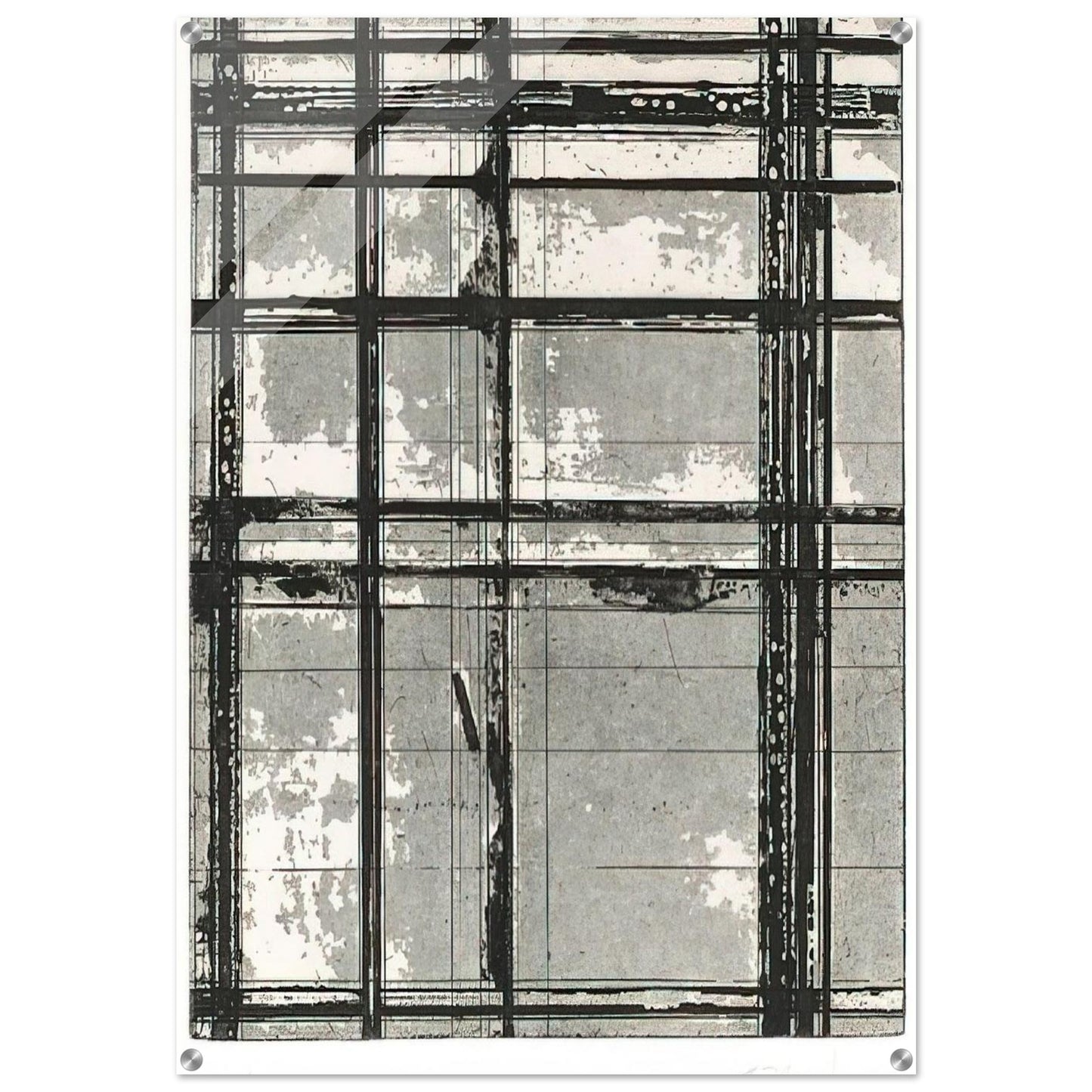
Ohne Titel aus Tiles (1979) von Brice Marden
Tauchen Sie ein in die minimalistische Eleganz von Brice Mardens „Ohne Titel aus Tiles“ (1979), einem bedeutenden Werk aus der berühmten Tiles-Serie des Künstlers. Dieser Acryl-Druck fängt das subtile Zusammenspiel von monochromatischen Rastern und texturierten Oberflächen ein und spiegelt Mardens Meisterschaft im abstrakten Expressionismus sowie seine Erforschung der Materialität wider. Entstanden in einer prägenden Phase der Kunst des späten 20. Jahrhunderts, vermittelt dieses Werk eine kontemplative Stimmung, die geometrische Präzision mit organischer Wärme verbindet – ideal, um moderne Innenräume mit zeitloser Eleganz aufzuwerten.
RedKalion präsentiert diese museumsreife Reproduktion auf einer 4 mm (0,15 Zoll) starken Acrylplatte, die eine lebendige Farbtreue und eine elegante, strapazierfähige Oberfläche gewährleistet, die nicht verblasst. Die geraden Schnittkanten und das moderne Design mit standardmäßig transparenten Hintergründen, die auf Weiß gesetzt sind, unterstreichen den galeriefertigen Charme. Mit den Maßen 70 x 100 cm (28 x 40 Zoll) umfasst dieses Brice Marden Wandkunst-Stück ein vollständiges Aufhängeset für eine mühelose Installation, inklusive Beschlägen, Schrauben und vorgebohrten Löchern an jeder Ecke (14 mm vom Rand, 8 mm Durchmesser, 15 mm Schraubenkopf).
Als führende Online-Galerie spezialisiert sich RedKalion auf archivwürdige Reproduktionen, die das künstlerische Erbe ehren. Unsere Expertise im Bereich hochwertiger Kunstdrucke garantiert, dass jedes Detail – von Mardens nuancierter Pinselführung bis hin zum archivtauglichen Acryl-Material – für bleibende Schönheit bewahrt wird. Veredeln Sie Ihren Raum mit diesem Brice Marden Druck, einem Zeugnis der minimalistischen Abstraktion, das jeden Raum in ein kuratiertes Refugium verwandelt.
```
Discover Unlimited Art Possibilities
At RedKalion, you can find virtually any artwork from any artist, available in a wide range of sizes to perfectly match your space.
If you didn’t find what you’re looking for, contact us at support@redkalion.com . We will source any artwork and produce it in any size and format you need, including art prints, posters, canvas, framed pieces, framed canvas, and more.
For dedicated art enthusiasts, we also offer handcrafted replicas of any artwork, carefully painted by highly skilled artists using traditional techniques.
For custom requests, contact us at support@redkalion.com .
What is the significance of Brice Marden's "Untitled from Tiles" (1979)?
This work is part of Marden's Tiles series, showcasing his minimalist approach and exploration of grid structures in late 20th-century abstract art, using acrylic to create textured, monochromatic surfaces.
What materials are used in this acrylic print?
It features a 4mm (0.15") acrylic panel for a vibrant, durable finish with straight-cut corners and white default backgrounds, ensuring a sleek, modern look in your fine art decor.
How is the hanging kit included with this Brice Marden wall art?
The kit includes hardware, screws, and pre-drilled holes at each corner (14mm from edge, 8mm diameter, 15mm screw head) for easy, secure installation of your museum-quality reproduction.
What are the dimensions of this Brice Marden print?
It measures 70x100 cm (28x40 inches), making it a versatile size for enhancing spaces with premium abstract art prints and archival acrylic displays.
How durable and archival is this acrylic print?
Made with 4mm acrylic, it offers excellent fade resistance and longevity, backed by RedKalion's expertise in high-quality art reproductions for lasting beauty.
What artistic techniques did Brice Marden use in the Tiles series?
Marden employed layered acrylic and grid-based compositions to explore texture and monochrome, blending geometric abstraction with expressive, hand-applied elements.
Why is the Tiles series important in art history?
It represents a key shift in 1970s minimalism, emphasizing materiality and process, influencing contemporary abstract art with its refined, contemplative aesthetic.