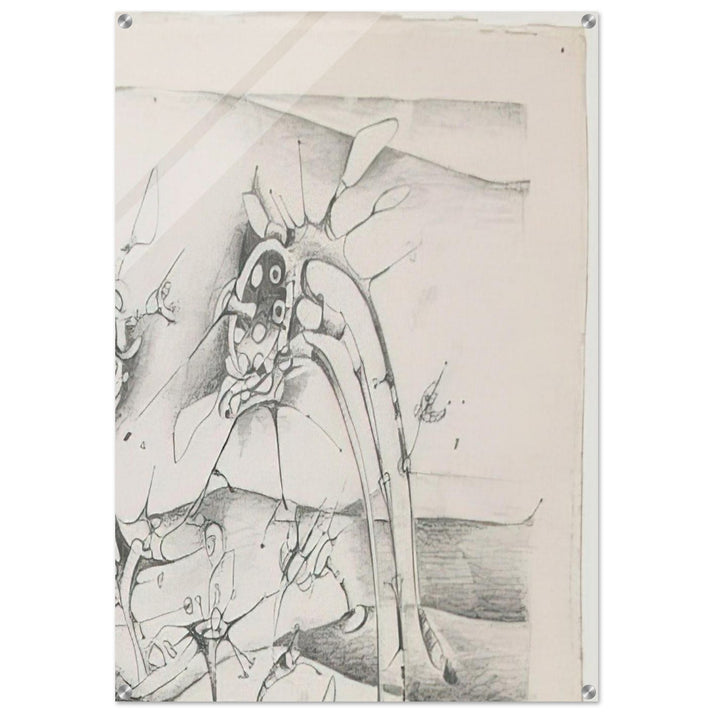
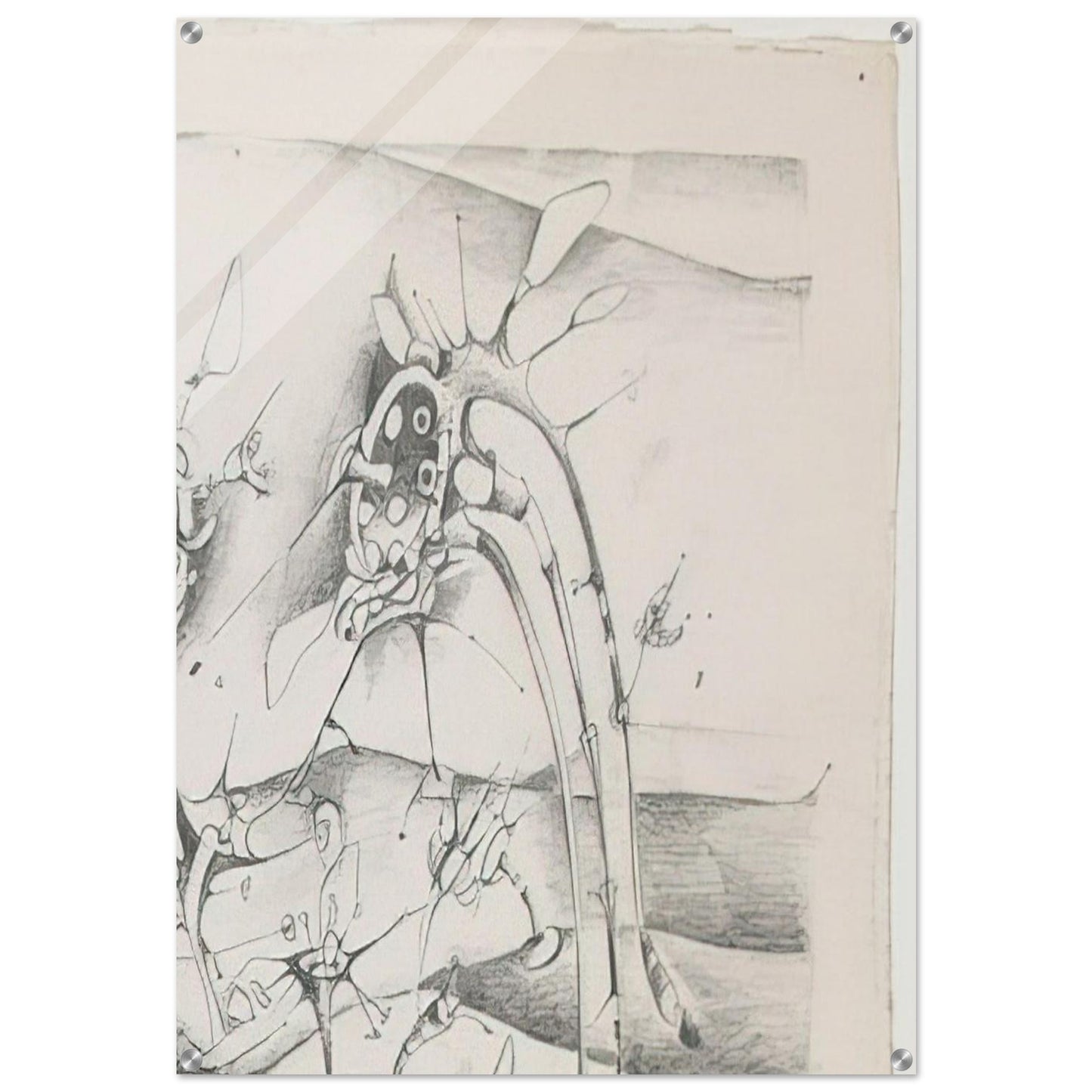
UNTITLED 1997 - Lee Bontecou Acryl-Druck - 70x100 cm / 28x40″ Zoll
UNTITLED 1997 - Lee Bontecou Acryl-Druck - 70x100 cm / 28x40″ Zoll
Verfügbarkeit für Abholungen konnte nicht geladen werden
Ohne Titel 1997 - Lee Bontecou Acryl-Druck
Tauchen Sie ein in die rätselhafte Welt von Lee Bontecou mit diesem museumswürdigen Acryl-Druck ihres bahnbrechenden Werks von 1997, Ohne Titel. Als Pionierin der amerikanischen Kunst nach dem Zweiten Weltkrieg verwischen Bontecups skulpturale und grafische Erkundungen die Grenzen zwischen Abstraktion und organischer Form und schaffen Werke, die gleichermaßen faszinierend schön und intellektuell tiefgründig sind. Diese hochwertige Kunstreproduktion fängt die komplexen Texturen und dynamischen Kompositionen ein, die ihre einzigartige künstlerische Vision ausmachen, und macht sie zu einem fesselnden Blickfang für jedes anspruchsvolle Interieur.
RedKalion präsentiert diesen archivtauglichen Druck auf 4 mm (0,15") Acryl, der eine schlanke, lebendige und strapazierfähige Oberfläche bietet, die die Tiefe und Leuchtkraft des Kunstwerks verstärkt. Die geraden Ecken verleihen dem Druck einen modernen Look, während transparente Hintergründe mit weißer Basis für eine optimale Präsentation optimiert sind. Jedes Stück enthält ein vollständiges Aufhängeset mit Hardware, Schrauben und vorgebohrten Löchern (14 mm vom Rand, 8 mm Durchmesser, 15 mm Schraubenkopf) für eine mühelose Installation. Veredeln Sie Ihren Raum mit einem zeitlosen Meisterwerk, das historische Bedeutung mit zeitgenössischer Handwerkskunst verbindet.
Details zum Kunstwerk:
- Titel: Ohne Titel 1997
- Künstler: Lee Bontecou
- Maße: 70x100 cm / 28x40 Zoll
- Material: Premium 4 mm Acryl-Druck
- Stil: Abstraktion nach dem Zweiten Weltkrieg, Einflüsse aus Mixed Media
Discover Unlimited Art Possibilities
At RedKalion, you can find virtually any artwork from any artist, available in a wide range of sizes to perfectly match your space.
If you didn’t find what you’re looking for, contact us at support@redkalion.com . We will source any artwork and produce it in any size and format you need, including art prints, posters, canvas, framed pieces, framed canvas, and more.
For dedicated art enthusiasts, we also offer handcrafted replicas of any artwork, carefully painted by highly skilled artists using traditional techniques.
For custom requests, contact us at support@redkalion.com .
What is the historical significance of Lee Bontecou's Untitled 1997?
Created in 1997, this work reflects Bontecou's late-career exploration of organic and abstract forms, building on her pioneering use of mixed media in post-war American art to challenge traditional boundaries between sculpture and drawing.
How does the acrylic material enhance this fine art print?
The 4mm acrylic provides a sleek, vibrant finish with excellent durability, enhancing color depth and luminosity for a museum-quality reproduction that resists fading and damage.
What are the specifications of the hanging kit included?
It includes hardware, screws, and pre-drilled holes 14mm from the edge with an 8mm diameter and 15mm screw head, ensuring secure and easy installation for your acrylic print.
How is the print shipped to ensure it arrives safely?
We use protective packaging and reliable carriers to deliver your archival-grade acrylic print securely, with tracking provided for peace of mind.
What makes this a long-lasting archival reproduction?
Printed on premium 4mm acrylic with UV-resistant inks, this piece is designed for archival longevity, maintaining vibrancy and quality for decades in your home or office.
What artistic techniques did Bontecou use in this 1997 work?
Bontecou often combined drawing, collage, and sculptural elements, using layered textures and organic shapes to create dynamic, abstract compositions that evoke natural and mechanical forms.
Why are transparent backgrounds set to white in this print?
Transparent backgrounds default to white to optimize presentation, ensuring clarity and contrast that highlight the artwork's details on the sleek acrylic surface.