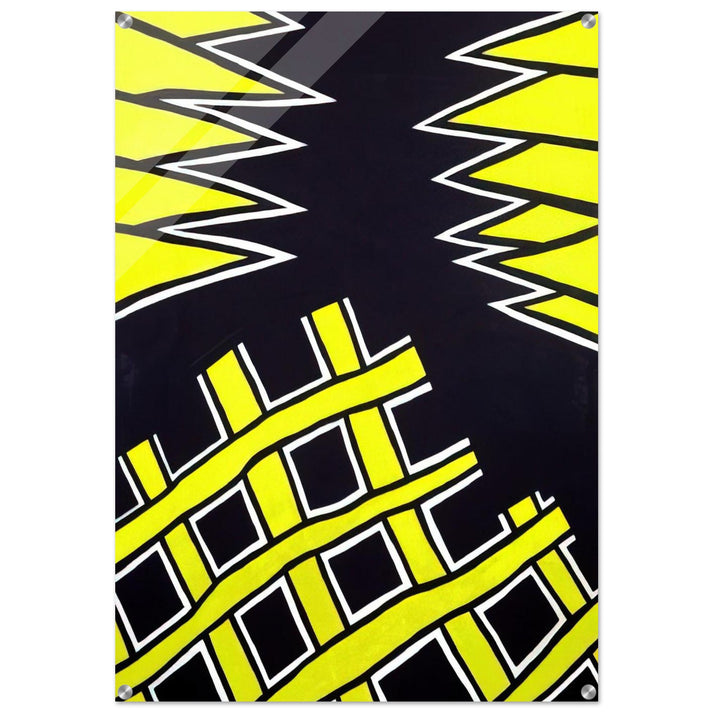
Ohne Titel - 1962 - Nicholas Krushenick Acryl-Druck - 70x100 cm / 28x40″ Zoll | Nicholas Krushenick Wandkunst | Nicholas Krushenick Drucke
Ohne Titel - 1962 - Nicholas Krushenick Acryl-Druck - 70x100 cm / 28x40″ Zoll | Nicholas Krushenick Wandkunst | Nicholas Krushenick Drucke
Verfügbarkeit für Abholungen konnte nicht geladen werden
Nicholas Krushenicks »Ohne Titel – 1962«: Ein Meisterwerk der Pop Art
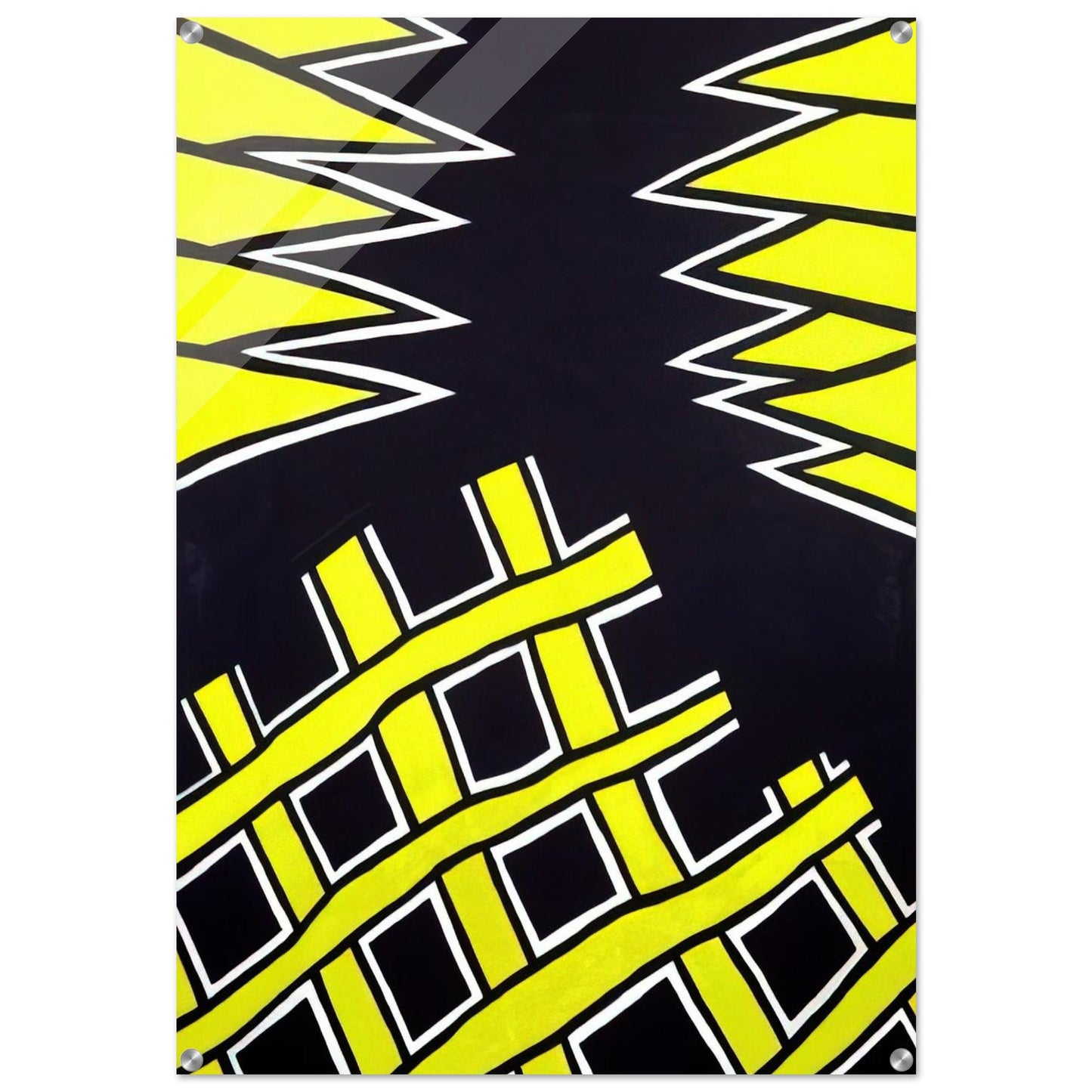
Veredeln Sie Ihren Raum mit diesem musealen Acryldruck von Nicholas Krushenicks ikonischem Werk »Ohne Titel« aus dem Jahr 1962. Ein lebendiges Beispiel der Pop Art, das mit kühnen geometrischen Formen und grellen Farben eine dynamische, moderne Ästhetik schafft und jeden Raum belebt. Krushenick, eine Schlüsselfigur der amerikanischen Kunst der 1960er-Jahre, prägte einen Stil, der Abstrakten Expressionismus und Pop verbindet. Mit hartkantigen Formen und kommerziellen Farbtönen forderte er die traditionelle Malerei heraus. Unsere hochwertige Reproduktion fängt jede präzise Linie und jeden intensiven Farbton ein und bietet eine beeindruckende Ergänzung für Ihre Sammlung zeitgenössischer Kunst.
Dieser hochwertige Kunstdruck wird sorgfältig auf 4 mm (0,15 Zoll) starkem Acryl gefertigt und sorgt für eine elegante, strapazierfähige Oberfläche, die die Farbintensität verstärkt und vor dem Ausbleichen schützt. Mit geraden Schnittkanten für ein sauberes, modernes Erscheinungsbild und transparenten Hintergründen in Weiß für eine optimale Präsentation trifft er ein und ist sofort einsatzbereit. Das Aufhängeset enthält alle notwendigen Hardware-Komponenten mit vorgebohrten Schraublöchern (14 mm vom Rand, 8 mm Durchmesser) für eine einfache Montage. Mit den Maßen 70 x 100 cm (28 x 40 Zoll) setzt dieses Nicholas-Krushenick-Wandbild in Häusern, Büros oder Galerien ein markantes Statement.
Bei RedKalion spezialisieren wir uns auf archivwürdige Reproduktionen, die das künstlerische Erbe ehren. Vertrauen Sie unserer Expertise, um diesen Pop-Art-Schatz in Ihre Welt zu holen, wo er über Generationen hinweg inspirieren wird.
```
Discover Unlimited Art Possibilities
At RedKalion, you can find virtually any artwork from any artist, available in a wide range of sizes to perfectly match your space.
If you didn’t find what you’re looking for, contact us at support@redkalion.com . We will source any artwork and produce it in any size and format you need, including art prints, posters, canvas, framed pieces, framed canvas, and more.
For dedicated art enthusiasts, we also offer handcrafted replicas of any artwork, carefully painted by highly skilled artists using traditional techniques.
For custom requests, contact us at support@redkalion.com .
What are the dimensions of this Nicholas Krushenick acrylic print?
This museum-quality reproduction measures 70x100 cm (28x40 inches), perfect for creating a focal point in any modern interior with its bold Pop Art aesthetic.
What material is used for this fine art print?
It features 4mm (0.15") acrylic for a sleek, vibrant finish that enhances color depth and ensures durability in your Nicholas Krushenick wall art collection.
How is this artwork shipped and installed?
We include a complete hanging kit with hardware and pre-drilled screw holes (14mm from edge, 8mm diameter) for easy, secure mounting of your acrylic print.
Is this print archival and fade-resistant?
Yes, our premium acrylic material offers excellent UV protection and archival longevity, preserving the vibrant colors of this Pop Art masterpiece for years.
What design features does this reproduction have?
It includes straight-cut corners for a modern look and white backgrounds for optimal presentation, enhancing the geometric forms in Nicholas Krushenick prints.
Who was Nicholas Krushenick and why is this artwork significant?
Nicholas Krushenick was a leading American Pop artist in the 1960s, known for blending hard-edged abstraction with commercial colors to create dynamic, influential works like this 1962 piece.
What makes this 1962 work a key example of Pop Art?
This artwork exemplifies Pop Art through its bold geometric shapes, electric hues, and fusion of abstract and commercial aesthetics, reflecting 1960s cultural shifts.