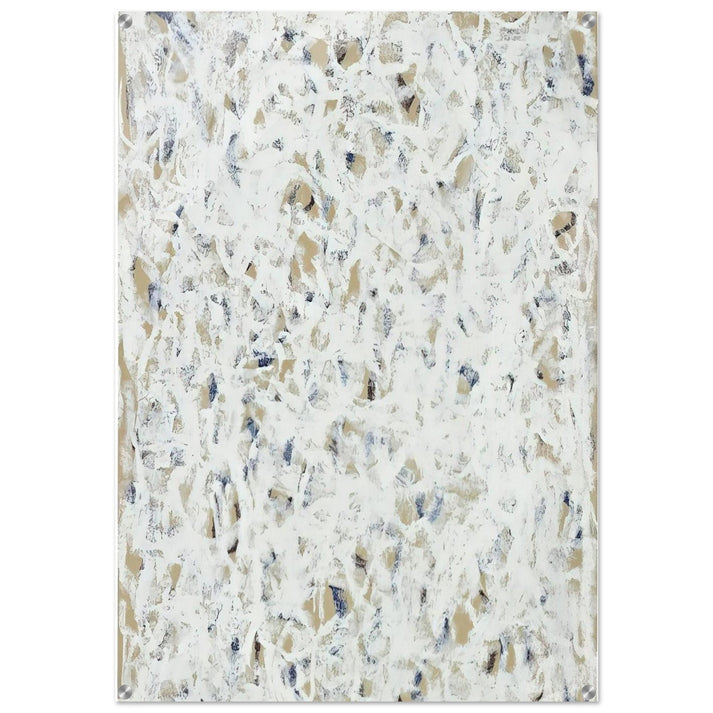
Ohne Titel - 1960 - Robert Ryman Acryl-Druck - 70x100 cm / 28x40″ Zoll | Robert Ryman Wandkunst | Robert Ryman Drucke
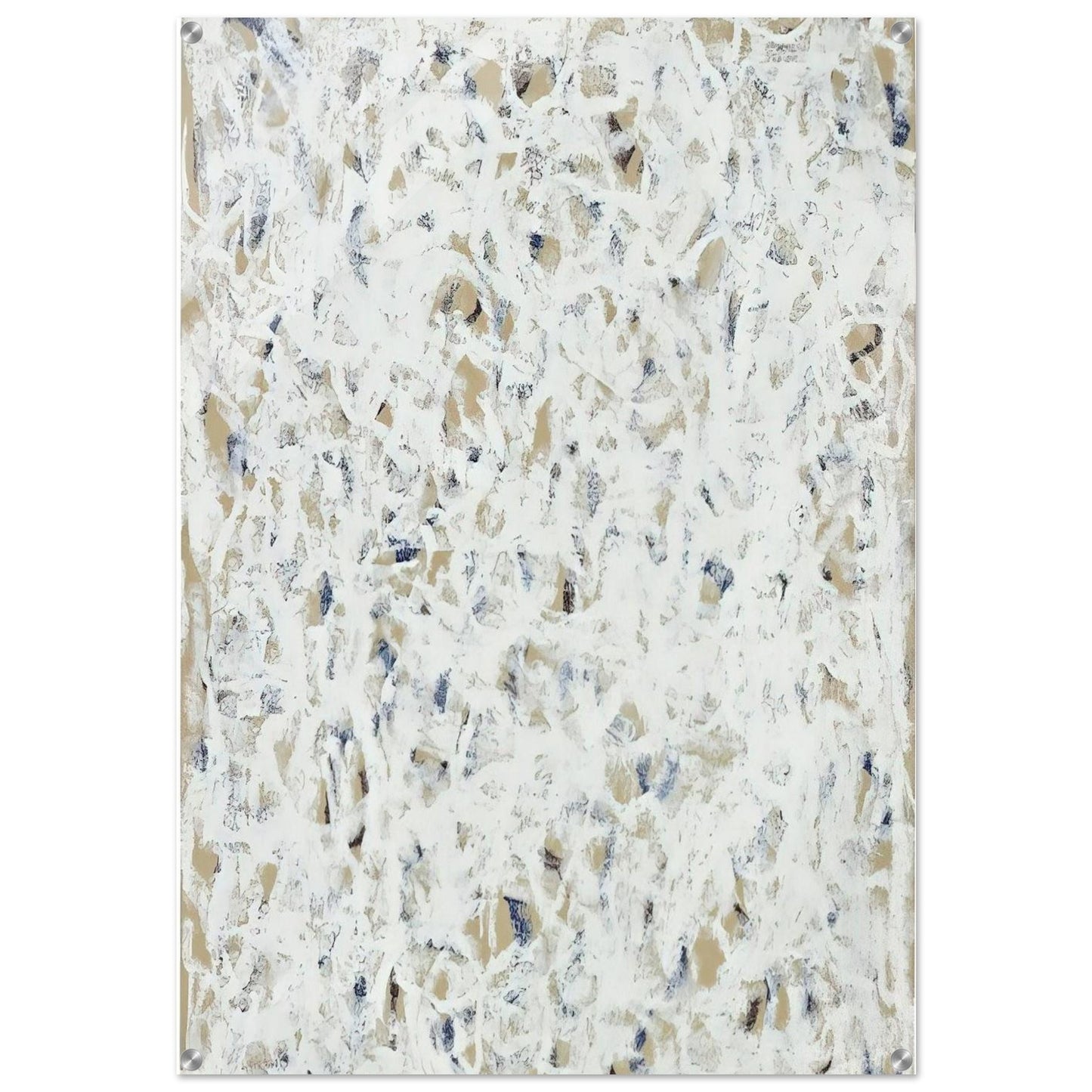
Ohne Titel - 1960 - Robert Ryman Acryl-Druck - 70x100 cm / 28x40″ Zoll | Robert Ryman Wandkunst | Robert Ryman Drucke
Verfügbarkeit für Abholungen konnte nicht geladen werden
Ohne Titel - 1960 - Robert Ryman Acryl-Druck
Tauchen Sie ein in die minimalistische Reinheit von Robert Rymans ikonischem Werk aus dem Jahr 1960, „Ohne Titel“, das nun als museumsreife Reproduktion von RedKalion erhältlich ist. Dieser hochwertige Kunstdruck fängt die revolutionäre Erforschung der Weiß-auf-Weiß-Malerei des Künstlers ein, bei der subtile Textur, Licht und Materialität selbst zum Thema werden. Ryman, eine Schlüsselfigur der Minimalismus- und konzeptuellen Kunst-Bewegungen, stellte traditionelle Vorstellungen von Malerei infrage, indem er sich auf die Physis der Leinwand und Farbe konzentrierte und Werke schuf, die zu tiefer Kontemplation einladen und die räumliche Wahrnehmung neu definieren.
Dieses Robert Ryman Wandkunst-Stück wird akribisch auf einer 4 mm (0,15") Acryl-Platte reproduziert, wodurch eine schlanke, lebendige und strapazierfähige Oberfläche entsteht, die die leuchtende Qualität des Kunstwerks unterstreicht. Die geraden Schnittkanten verleihen dem Werk einen modernen Look, während transparente Hintergründe mit einer weißen Basis für eine beeindruckende Präsentation optimiert sind. Mit den Maßen 70 x 100 cm / 28 x 40" kommt es mit einem vollständigen Aufhängeset – inklusive Hardware, Schrauben und vorgebohrten Löchern (14 mm vom Rand, 8 mm Durchmesser, 15 mm Schraubenkopf) – zur einfachen Installation.
Veredeln Sie Ihren Raum mit einem archivwürdigen Meisterwerk, das Bestand hat und von RedKalions Engagement für Premium-E-Commerce-Kuration und weltklasse Reproduktionen untermauert wird. Dieser Robert Ryman Druck ist mehr als nur Dekoration – er ist ein Zeugnis künstlerischer Innovation, perfekt für Sammler und Designliebhaber, die ihrem Umfeld zeitlose Eleganz verleihen möchten.
```
Discover Unlimited Art Possibilities
At RedKalion, you can find virtually any artwork from any artist, available in a wide range of sizes to perfectly match your space.
If you didn’t find what you’re looking for, contact us at support@redkalion.com . We will source any artwork and produce it in any size and format you need, including art prints, posters, canvas, framed pieces, framed canvas, and more.
For dedicated art enthusiasts, we also offer handcrafted replicas of any artwork, carefully painted by highly skilled artists using traditional techniques.
For custom requests, contact us at support@redkalion.com .
What are the dimensions and material of this Robert Ryman acrylic print?
This fine art print measures 70x100 cm (28x40 inches) and is crafted on a 4mm (0.15") acrylic panel for a sleek, vibrant, and durable museum-quality reproduction.
How is the Robert Ryman wall art prepared for hanging?
It includes a complete hanging kit with hardware, screws, and pre-drilled holes (14mm from edge, 8mm diameter, 15mm screw head) for easy installation of this premium acrylic print.
What is the historical significance of Robert Ryman's 1960 "Untitled" artwork?
This piece is a key example of Ryman's Minimalist and Conceptual art, focusing on white-on-white painting to explore texture, light, and materiality in mid-20th century art.
Does the acrylic print have a frame or border?
No, it features straight-cut corners for a modern look, with transparent backgrounds defaulting to white for optimal presentation in this archival-grade reproduction.
How durable and archival is this museum-quality reproduction?
The 4mm acrylic material ensures long-lasting vibrancy and resistance to fading, making it a durable fine art print suitable for lasting display.
What shipping and handling can I expect for this Robert Ryman print?
RedKalion ships worldwide with secure packaging to protect this premium acrylic print, ensuring it arrives ready for hanging as high-end wall art.
Why did Robert Ryman focus on white paintings in his artwork?
Ryman used white to eliminate color distraction, emphasizing the physical properties of paint and canvas, which redefined painting in the Minimalist art movement.