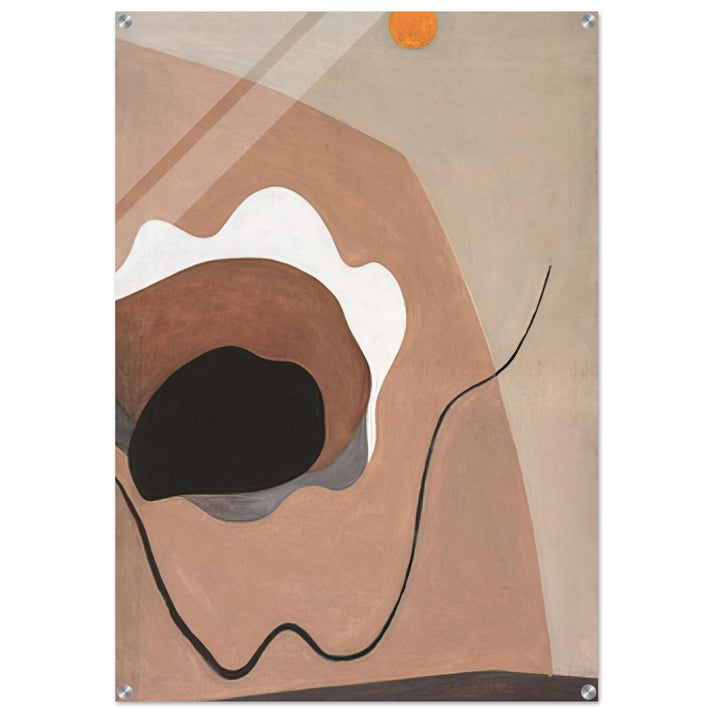
UNBETITELT 1930 - Alexander Calder Acryl-Druck - 70x100 cm / 28x40″ Zoll
UNBETITELT 1930 - Alexander Calder Acryl-Druck - 70x100 cm / 28x40″ Zoll
Verfügbarkeit für Abholungen konnte nicht geladen werden
Ohne Titel 1930 - Alexander Calder Acryl-Druck
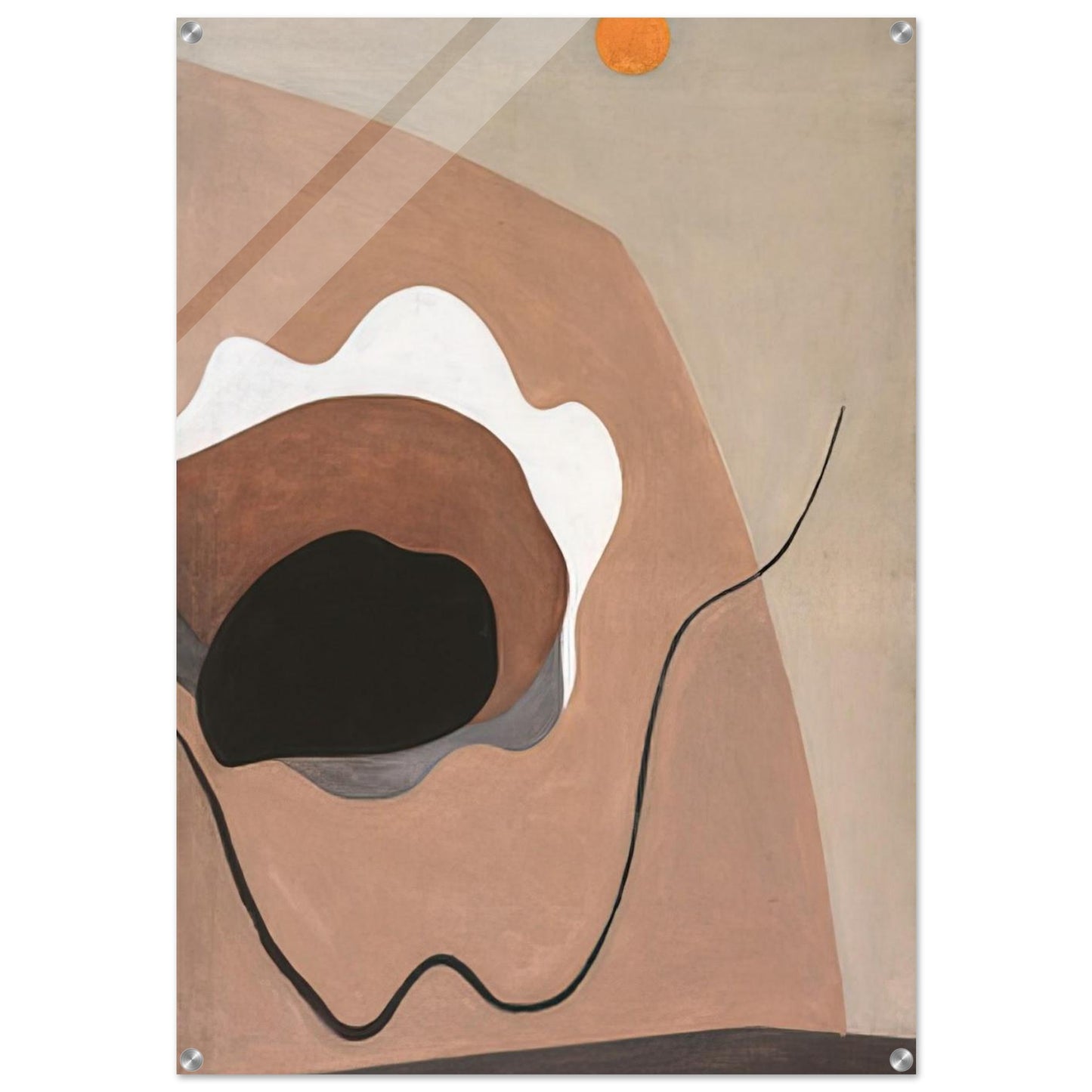
Stellen Sie sich eine museumswürdige Reproduktion von Alexander Calders bahnbrechendem abstrakten Werk aus dem Jahr 1930 vor, jetzt als hochwertigen Fine-Art-Druck auf strapazierfähigem Acryl erhältlich. Dieses Stück fängt die Essenz von Calders frühen Experimenten mit kinetischer Skulptur und abstrakter Form ein und markiert einen Wendepunkt in der modernen Kunst des 20. Jahrhunderts. Die lebendigen Farben und dynamischen Formen vermitteln ein Gefühl spielerischer Innovation und machen es zum idealen Blickfang für zeitgenössische Räume, die künstlerische Tiefe suchen.
Unser archivbeständiger Druck wird sorgfältig auf 4 mm (0,15 Zoll) Acryl gefertigt und garantiert einen eleganten, farbenfrohen Finish, der vor Ausbleichen und Beschädigungen schützt. Mit geraden Schnittkanten für einen modernen Look verwandelt diese 70 x 100 cm / 28 x 40 Zoll große Reproduktion jeden Raum in eine galeriewürdige Umgebung. Transparente Hintergründe werden standardmäßig weiß dargestellt, um die optimale Präsentation zu gewährleisten und die kräftigen Kontraste des Kunstwerks zu unterstreichen. Veredeln Sie Ihr Zuhause oder Büro mit diesem zeitlosen Meisterwerk von RedKalion, wo wir nur die hochwertigsten Reproduktionen für anspruchsvolle Sammler kuratieren.
- Material: 4 mm (0,15 Zoll) Acryl für Langlebigkeit und farbenfrohe Reproduktion.
- Design: Gerade Schnittkanten mit standardmäßig weißen Hintergründen für moderne Präsentation.
- Größe: 70 x 100 cm / 28 x 40 Zoll, perfekt für Statement-Wände.
- Aufhängeset: Enthält Hardware, Schrauben und vorgebohrte Löcher (14 mm vom Rand, 8 mm Durchmesser, 15 mm Schraubenkopf) für einfache Montage.
Wussten Sie schon? Calders Werke aus den 1930er Jahren, wie dieses unbetitelte Stück, experimentierten oft mit Balance und Bewegung und kündigten damit seine berühmten Mobiles an. Dieser Druck bewahrt dieses künstlerische Erbe in einem Format, das für Generationen designed ist, unterstützt durch RedKalions Engagement für archivarische Exzellenz.
```
Discover Unlimited Art Possibilities
At RedKalion, you can find virtually any artwork from any artist, available in a wide range of sizes to perfectly match your space.
If you didn’t find what you’re looking for, contact us at support@redkalion.com . We will source any artwork and produce it in any size and format you need, including art prints, posters, canvas, framed pieces, framed canvas, and more.
For dedicated art enthusiasts, we also offer handcrafted replicas of any artwork, carefully painted by highly skilled artists using traditional techniques.
For custom requests, contact us at support@redkalion.com .
What are the dimensions of this Alexander Calder acrylic print?
This fine art print measures 70x100 cm or 28x40 inches, making it an ideal size for a statement piece in any room with its museum-quality reproduction on durable acrylic.
What material is used for this acrylic print?
It features a 4mm (0.15") acrylic material, providing a sleek, vibrant finish that ensures long-lasting durability and optimal color presentation for your abstract art collection.
How is the hanging kit included with this print?
The hanging kit includes hardware, screws, and pre-drilled holes at each corner (14mm from edge, 8mm diameter, 15mm screw head) for easy and secure installation of your modern art print.
What is the significance of Alexander Calder's 1930 artwork?
This untitled 1930 piece represents Calder's early abstract explorations, blending kinetic elements and bold forms that influenced modern art, making it a valuable addition to any fine art collection.
How durable and archival is this acrylic print?
Our archival-grade acrylic print resists fading and damage, ensuring your museum-quality reproduction remains vibrant for years, backed by RedKalion's premium materials and craftsmanship.
What design features does this print have?
It includes straight-cut corners for a modern look and transparent backgrounds defaulted to white, enhancing the artwork's presentation as a sleek contemporary piece.
Can you tell me more about Calder's technique in 1930?
In 1930, Calder experimented with abstract forms and balance, using vibrant colors and dynamic shapes that later evolved into his iconic mobiles, reflecting his innovative approach to modern art.