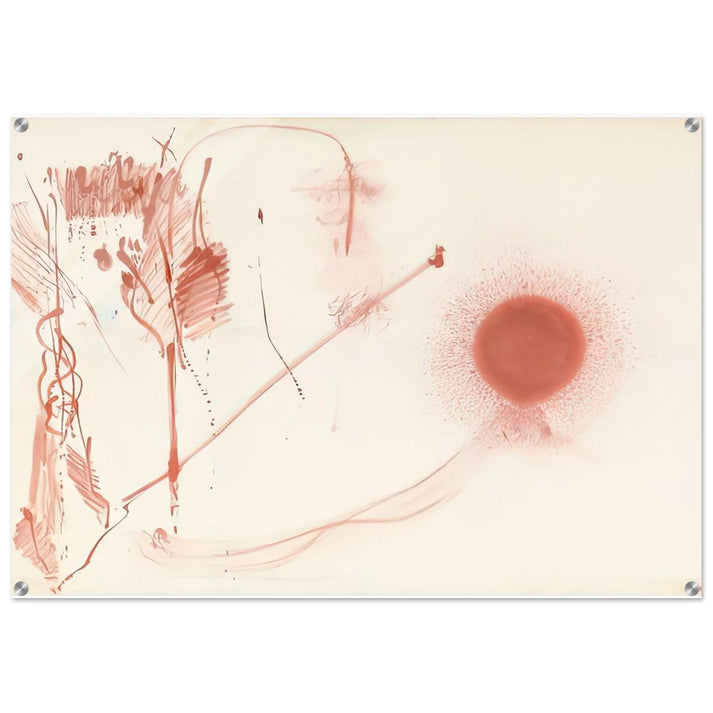


Hin zu einem neuen Klima, 1957 - Helen Frankenthaler Acryl-Druck - 70x100 cm / 28x40″ Zoll
Hin zu einem neuen Klima, 1957 - Helen Frankenthaler Acryl-Druck - 70x100 cm / 28x40″ Zoll
Verfügbarkeit für Abholungen konnte nicht geladen werden
Auf dem Weg zu einem neuen Klima, 1957 - Helen Frankenthaler Acryl-Druck
Tauchen Sie ein in die bahnbrechende Kunst von Helen Frankenthaler mit diesem musealen Acryl-Druck ihres bedeutenden Werks aus dem Jahr 1957, „Auf dem Weg zu einem neuen Klima“. Ein Meisterwerk der Farbfeldmalerei, das Frankenthalers revolutionäre „Soak-Stain“-Technik einfängt, bei der verdünnte Acrylfarbe direkt auf ungegrundete Leinwand gegossen wurde. Dadurch entstehen leuchtende, ätherische Farbverläufe, die wie organisches Leben zu atmen scheinen. Das Kunstwerk vermittelt eine Stimmung serener Abstraktion und grenzenloser Möglichkeiten und spiegelt den innovativen Geist der Künstlerin sowie den Wandel der Nachkriegszeit hin zu expressiver Freiheit wider.
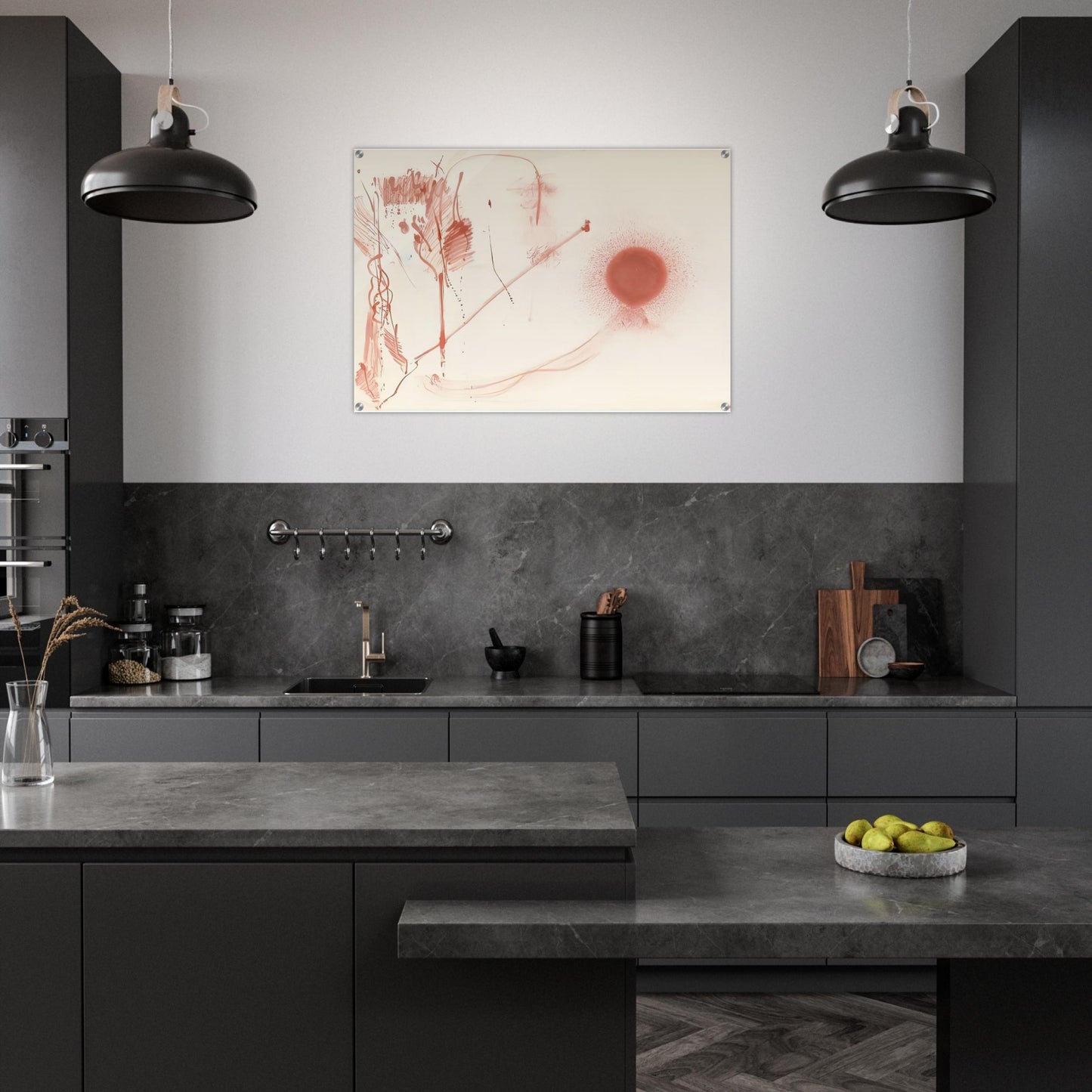
RedKalion präsentiert diese archivtaugliche Reproduktion auf einer schlanken 4-mm-(0,15 Zoll)-Acrylplatte, die eine lebendige Farbtreue und eine haltbare, moderne Oberfläche garantiert – vergleichbar mit Galerieausstellungen. Mit geraden Schnittkanten und einem Design, bei dem transparente Hintergründe standardmäßig weiß sind, bietet dieser Druck in 70 x 100 cm / 28 x 40 Zoll die optimale Präsentation für jeden modernen Raum. Veredeln Sie Ihr Zuhause oder Büro mit einem Werk, das kunsthistorische Bedeutung mit bleibender Qualität vereint und Generationen inspirieren wird.
- Material: 4 mm (0,15 Zoll) Acryl für lebendige und haltbare Präsentation.
- Design: Gerade Schnittkanten; transparente Hintergründe sind standardmäßig weiß.
- Größe: 70 x 100 cm / 28 x 40 Zoll.
- Aufhängeset: Enthält Hardware, Schrauben und vorgebohrte Löcher (14 mm vom Rand, 8 mm Durchmesser, 15 mm Schraubenkopf).


Discover Unlimited Art Possibilities
At RedKalion, you can find virtually any artwork from any artist, available in a wide range of sizes to perfectly match your space.
If you didn’t find what you’re looking for, contact us at support@redkalion.com . We will source any artwork and produce it in any size and format you need, including art prints, posters, canvas, framed pieces, framed canvas, and more.
For dedicated art enthusiasts, we also offer handcrafted replicas of any artwork, carefully painted by highly skilled artists using traditional techniques.
For custom requests, contact us at support@redkalion.com .
What is the historical significance of Helen Frankenthaler's Towards a New Climate?
Created in 1957, this work is a key example of Frankenthaler's 'soak-stain' technique, pioneering the Color Field movement and influencing artists like Morris Louis and Kenneth Noland with its fluid, abstract forms.
How does the acrylic print enhance the artwork's colors?
The 4mm acrylic panel provides a sleek, vibrant finish that amplifies the luminous washes of color in this museum-quality reproduction, ensuring durability and modern appeal.
What are the specifications for hanging this acrylic print?
It includes a full hanging kit with hardware, screws, and pre-drilled holes (14mm from edge, 8mm diameter, 15mm screw head) for easy, secure installation.
Is this print archival and fade-resistant?
Yes, this fine art print uses archival materials on acrylic, offering long-lasting color fidelity and protection against fading for enduring display.
What is the size and design of this acrylic print?
It measures 70x100 cm / 28x40" inches with straight-cut corners and transparent backgrounds defaulting to white for a clean, contemporary look.
How does Frankenthaler's technique affect the mood of the artwork?
Her 'soak-stain' method creates ethereal, flowing colors that evoke serenity and abstraction, reflecting the innovative spirit of mid-20th century art.
Can I customize the background color for this print?
No, transparent backgrounds are set to white by default to optimize presentation and maintain the artwork's original aesthetic integrity.