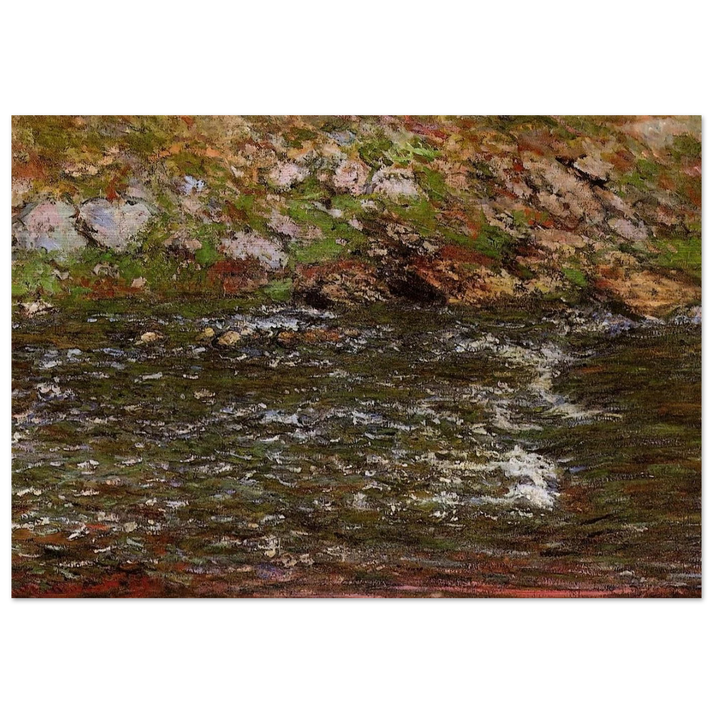


Torrente der Petite Creuse bei Fresselines - claude monet Aluminiumdruck - 70x100 cm / 28x40 Zoll | claude monet Aluminiumdruck | claude monet Drucke
Torrente der Petite Creuse bei Fresselines - claude monet Aluminiumdruck - 70x100 cm / 28x40 Zoll | claude monet Aluminiumdruck | claude monet Drucke
Verfügbarkeit für Abholungen konnte nicht geladen werden
Der Wildbach der Petite Creuse in Fresselines von Claude Monet
Tauchen Sie ein in die dynamische Energie von Claude Monets Der Wildbach der Petite Creuse in Fresselines, einem meisterhaften impressionistischen Werk, das die rohe Kraft der Natur einfängt. 1889 während Monets Serie über den Fluss Creuse in Zentralfrankreich gemalt, verkörpert dieses Kunstwerk seine revolutionäre Technik, flüchtiges Licht und Bewegung durch kräftige Pinselstriche und lebendige Farbkontraste einzufangen. Die Szene zeigt die reißenden Gewässer der Petite Creuse, deren tosende Flut von üppigem, atmosphärischem Laubwerk gerahmt wird und ein Gefühl von ruhiger Intensität und natürlicher Größe vermittelt.
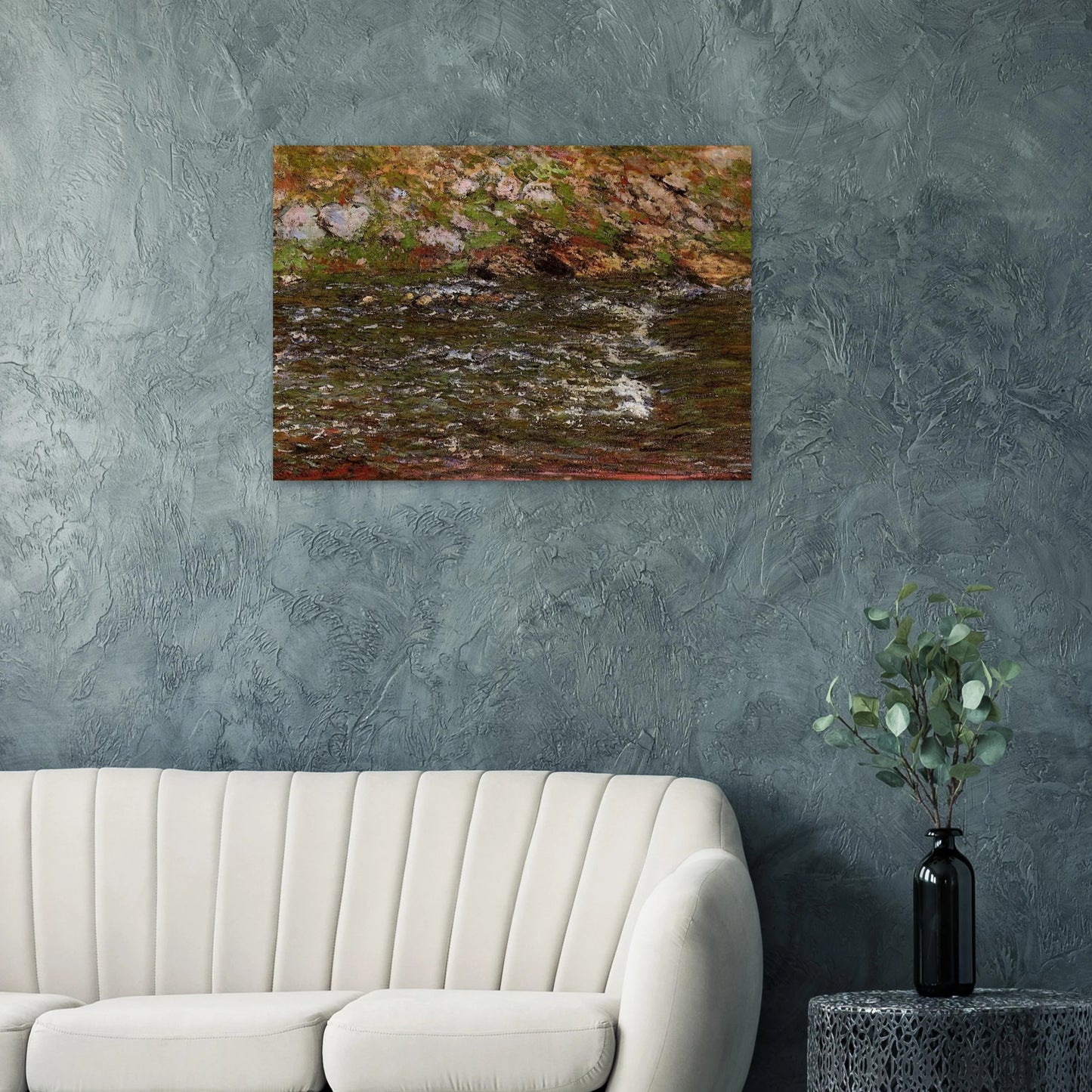
RedKalion präsentiert diese museumsreife Reproduktion als Alu-Druck mit Bürstenstrich, sorgfältig gefertigt, um Monets ursprüngliche Vision zu ehren. Unser Fine-Art-Druck wird auf hochwertigem gebürstetem silbernem Aluminium DIBOND® mit einer Dicke von 3 mm hergestellt, was eine stabile, starre Basis bietet, die die Präsenz des Kunstwerks unterstreicht. Der Direktdruck auf AluDibond liefert lebendige, archivbeständige Farben mit matter, blendfreier Oberfläche, während unbedruckte Bereiche einen auffälligen metallischen Silbereffekt offenbaren, der die dynamische Ästhetik des Werks ergänzt. Mit den Maßen 70x100 cm (28x40 Zoll) enthält dieser Alu-Druck von Claude Monet ein Aufhängeset für mühelose Präsentation und ist eine anspruchsvolle Bereicherung für jedes Interieur.
Veredeln Sie Ihren Raum mit einem archivbeständigen Meisterwerk, das Bestand hat und Kunstgeschichte mit moderner Haltbarkeit verbindet. RedKalion ist Ihr vertrauenswürdiger Kurator für Premium-Reproduktionen, die ikonische Werke wie diesen Impressionistischen Druck mit unübertroffener Qualität und Authentizität in Ihr Zuhause oder Büro bringen.
```


Discover Unlimited Art Possibilities
At RedKalion, you can find virtually any artwork from any artist, available in a wide range of sizes to perfectly match your space.
If you didn’t find what you’re looking for, contact us at support@redkalion.com . We will source any artwork and produce it in any size and format you need, including art prints, posters, canvas, framed pieces, framed canvas, and more.
For dedicated art enthusiasts, we also offer handcrafted replicas of any artwork, carefully painted by highly skilled artists using traditional techniques.
For custom requests, contact us at support@redkalion.com .
What are the dimensions and material of this Claude Monet print?
This fine art print measures 70x100 cm (28x40 inches) and is crafted on Brushed silver Aluminum DIBOND® with a 3mm thickness, offering a durable, museum-quality reproduction with a metallic finish.
How is the print applied to the aluminum surface?
It features direct printing on AluDibond for vivid colors and a matte, glare-free finish, with unprinted areas revealing a dynamic brushed silver effect ideal for this Impressionist artwork.
Is a hanging kit included with the aluminum print?
Yes, a hanging kit is included; specifics may vary by fulfillment country to ensure secure and easy installation of your Claude Monet brushed aluminum print.
What makes this print archival and long-lasting?
Using premium materials and direct printing techniques, this archival print resists fading and damage, ensuring your Monet reproduction maintains its quality for years.
How does the brushed aluminum enhance Monet's Torrent of the Petite Creuse?
The horizontal grain and metallic silver effect add depth and movement, complementing Monet's dynamic brushstrokes and the turbulent water scene for a striking display.
What historical context surrounds this Monet painting?
Painted in 1889, it's part of Monet's series on the Creuse River, showcasing his focus on capturing natural light and movement during his later Impressionist period.
Why did Monet choose the Petite Creuse as a subject?
Monet was drawn to its wild, untamed waters to explore contrasts of color and texture, reflecting his interest in nature's transient effects and emotional power.