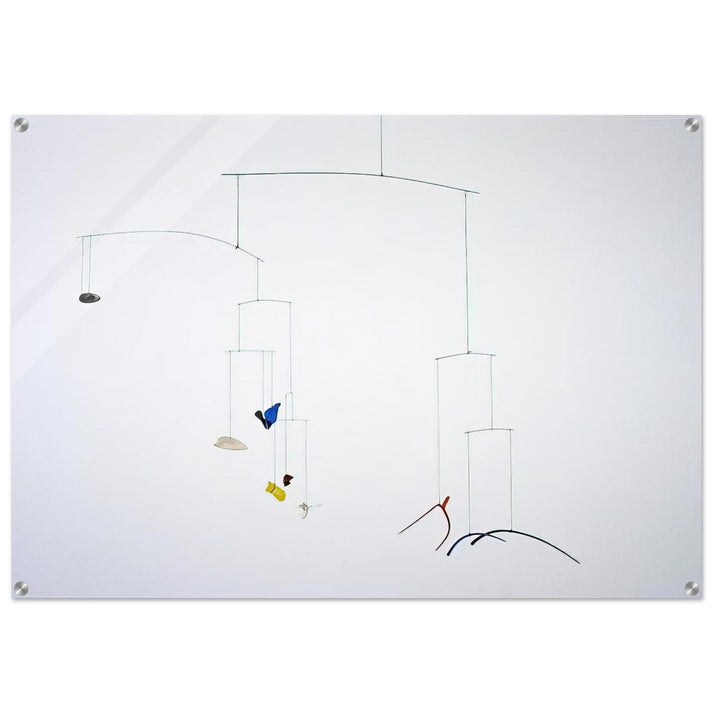


TINES 1943 - Alexander Calder Acryl-Druck - 70x100 cm / 28x40″ Zoll
TINES 1943 - Alexander Calder Acryl-Druck - 70x100 cm / 28x40″ Zoll
Verfügbarkeit für Abholungen konnte nicht geladen werden
TINES 1943 - Alexander Calder Acryl-Druck
Stellen Sie sich einen museumswürdigen Nachdruck von Alexander Calders TINES 1943 vor, einem Schlüsselwerk aus der bahnbrechenden Phase des Künstlers in der abstrakten Skulptur und kinetischen Kunst. Dieser hochwertige Kunstdruck fängt die dynamische Energie und die verspielte Geometrie ein, die Calders innovativen Ansatz prägten, und bietet ein zeitloses Stück, das jeden modernen Innenraum aufwerten kann.
Calder, bekannt für seine bahnbrechenden Mobiles und Stabiles, schuf TINES 1943 während einer Ära künstlerischer Experimente und verband industrielle Materialien mit organischen Formen, um traditionelle Vorstellungen von Skulptur herauszufordern. Diese archivtaugliche Reproduktion bewahrt die lebendigen Farben und feinen Details des Originals und ermöglicht es Ihnen, ein Stück Kunstgeschichte in Ihr Zuhause oder Büro zu bringen.
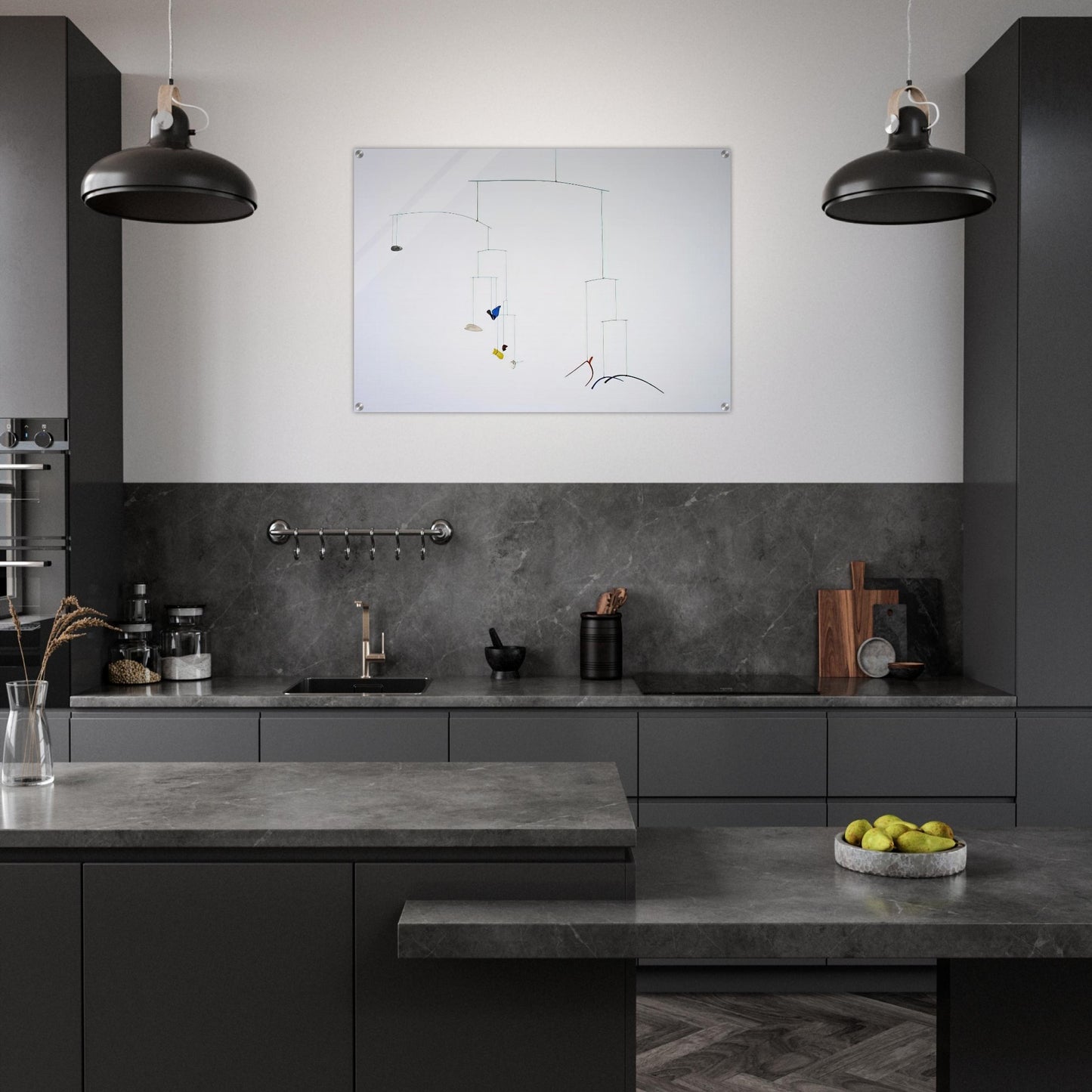
Unser Premium-Acryldruck misst 70x100 cm (28x40 Zoll) und verfügt über eine schlanke 4 mm (0,15 Zoll) Acrylfläche, die Farbintensität und Haltbarkeit verbessert. Mit geraden Ecken für einen zeitgemäßen Look ist dieses Stück darauf ausgelegt, einen starken Eindruck zu hinterlassen. Transparente Hintergründe sind mit einer weißen Basis für maximale visuelle Wirkung optimiert.
Jeder Druck enthält ein vollständiges Aufhängeset mit Hardware, Schrauben und vorgebohrten Schraublöchern an jeder Ecke (14 mm/0,55 Zoll vom Rand, 8 mm/0,31 Zoll Durchmesser, 15 mm/0,6 Zoll Schraubenkopf), um eine einfache und sichere Installation zu gewährleisten. Veredeln Sie Ihren Raum mit einem archivtauglichen Meisterwerk, das Bestand hat – unterstützt durch RedKalions Engagement für Exzellenz bei hochwertigen Kunstdrucken.
```


Discover Unlimited Art Possibilities
At RedKalion, you can find virtually any artwork from any artist, available in a wide range of sizes to perfectly match your space.
If you didn’t find what you’re looking for, contact us at support@redkalion.com . We will source any artwork and produce it in any size and format you need, including art prints, posters, canvas, framed pieces, framed canvas, and more.
For dedicated art enthusiasts, we also offer handcrafted replicas of any artwork, carefully painted by highly skilled artists using traditional techniques.
For custom requests, contact us at support@redkalion.com .
What is the historical significance of Alexander Calder's TINES 1943?
TINES 1943 is a key work from Calder's abstract period, showcasing his innovative use of industrial materials and dynamic forms that influenced modern sculpture and kinetic art movements.
What are the dimensions and material specifications of this acrylic print?
This museum-quality reproduction measures 70x100 cm (28x40 inches) and features a 4mm (0.15") acrylic surface for vibrant colors and durability, with straight-cut corners for a modern look.
How is the hanging hardware included with the print?
Each print comes with a complete hanging kit, including screws and pre-drilled holes at each corner (14mm from edge, 8mm diameter, 15mm screw head) for easy and secure installation.
What is the shipping time and packaging for this fine art print?
We ship worldwide with protective packaging, typically within 3-5 business days, ensuring your archival-grade acrylic print arrives safely and ready to display.
How durable and archival is this acrylic print?
Our prints use high-quality acrylic and archival inks, offering UV resistance and long-lasting color vibrancy for a durable, museum-quality reproduction that endures for years.
What artistic techniques did Calder use in TINES 1943?
Calder employed industrial fabrication methods with bold geometric shapes and balanced compositions, reflecting his transition from mobiles to static yet dynamic stabiles in the 1940s.
Why are transparent backgrounds set to white in this reproduction?
Transparent backgrounds default to white to optimize presentation and contrast, enhancing the visual impact of Calder's vibrant abstract forms in this premium acrylic print.