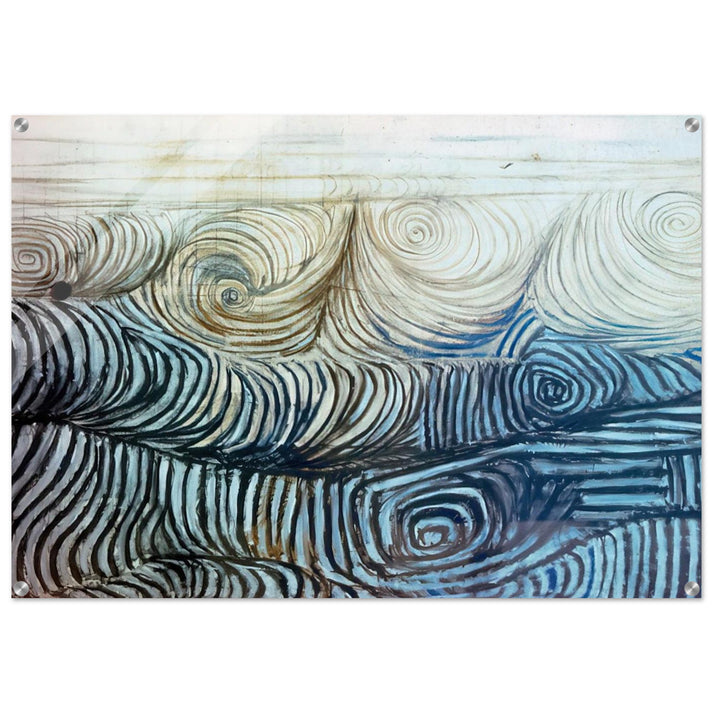


DIE WELLE 1950 - Victor Pasmore Acryl-Druck - 70x100 cm / 28x40″ Zoll
DIE WELLE 1950 - Victor Pasmore Acryl-Druck - 70x100 cm / 28x40″ Zoll
Verfügbarkeit für Abholungen konnte nicht geladen werden
Die Welle 1950 - Acryl-Druck von Victor Pasmore
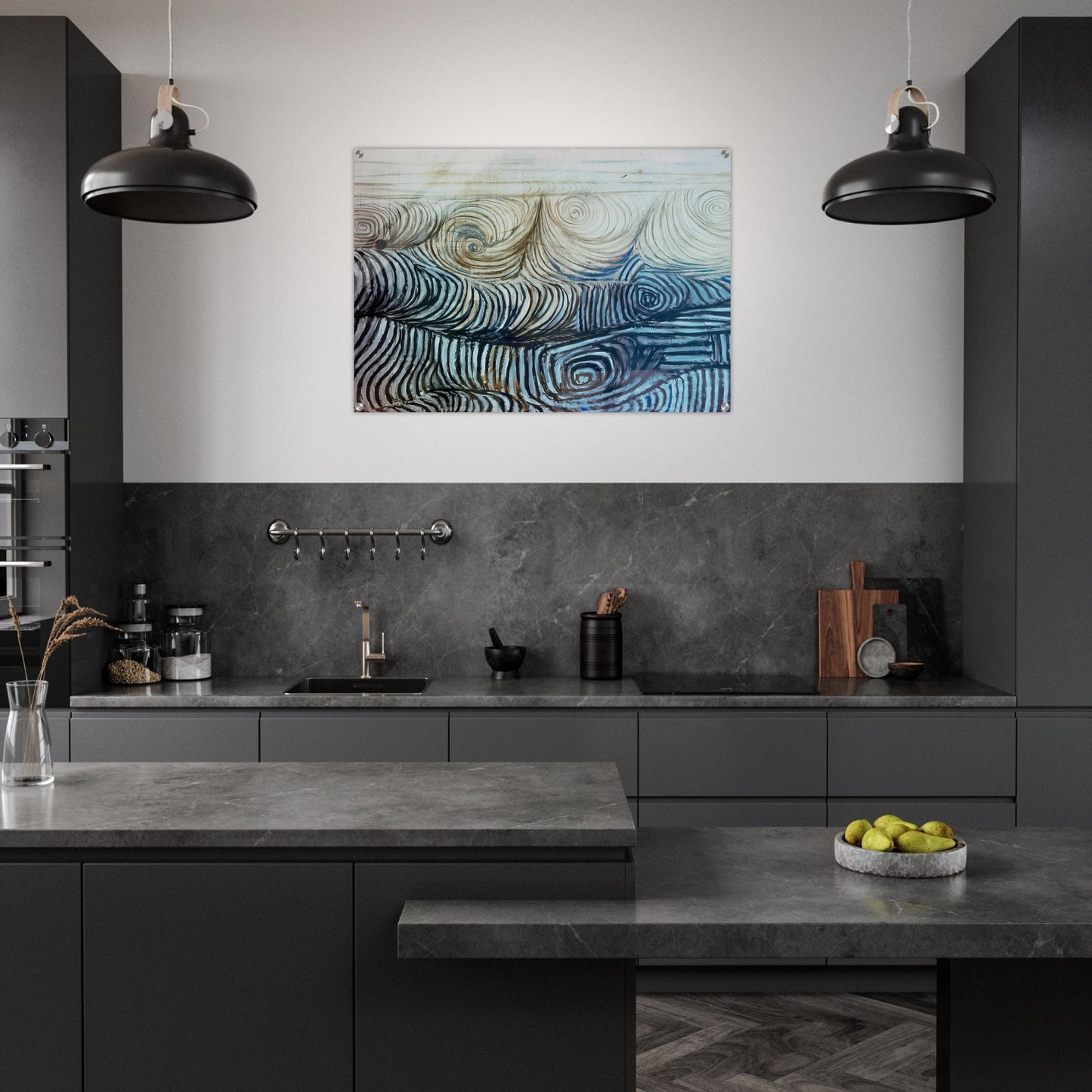
Tauchen Sie ein in die bahnbrechende Abstraktion von Victor Pasmore mit diesem museumswürdigen Acryl-Druck seines bedeutenden Werks von 1950, Die Welle. Dieses Stück markiert Pasmores entscheidenden Wandel von gegenständlicher zu reiner abstrakter Kunst und fängt die dynamische Energie und fließenden Formen ein, die die britische Kunstszene der Nachkriegszeit prägten. Die lebendige, archivbeständige Reproduktion auf 4 mm Acryl sorgt für intensive Farben, während die geraden Ecken und die glatte Oberfläche einen modernen Look bieten, der perfekt für zeitgenössische Räume ist.
Als führende Figur der Konstruktivismus-Bewegung erkundet Pasmores Die Welle geometrische Harmonie und rhythmische Muster und ruft ein Gefühl von Bewegung und Gelassenheit hervor. Dieser hochwertige Kunstdruck in der Größe 70x100 cm (28x40 Zoll) ist mehr als nur eine Dekoration – er ist ein Stück Kunstgeschichte. Die Premium-Reproduktion von RedKalion nutzt hochauflösende Drucktechniken, um jedes Detail zu bewahren, von den subtilen Farbverläufen bis zu den kräftigen Kontrasten, und sorgt so für ein authentisches Erlebnis, das Pasmores innovatives Schaffen ehrt.
Veredeln Sie Ihr Zuhause oder Büro mit diesem archivwürdigen Meisterwerk, das historische Bedeutung mit hochwertiger Verarbeitung verbindet. Das mitgelieferte Aufhängeset mit Befestigungselementen und vorgebohrten Schraublöchern macht die Installation mühelos und ermöglicht es Ihnen, dieses ikonische Werk mit Zuversicht zu präsentieren. Vertrauen Sie auf RedKalion für erstklassige Reproduktionen, die Bestand haben und das Erbe großer Künstler wie Victor Pasmore in Ihren Alltag bringen.
```


Discover Unlimited Art Possibilities
At RedKalion, you can find virtually any artwork from any artist, available in a wide range of sizes to perfectly match your space.
If you didn’t find what you’re looking for, contact us at support@redkalion.com . We will source any artwork and produce it in any size and format you need, including art prints, posters, canvas, framed pieces, framed canvas, and more.
For dedicated art enthusiasts, we also offer handcrafted replicas of any artwork, carefully painted by highly skilled artists using traditional techniques.
For custom requests, contact us at support@redkalion.com .
What is the historical significance of Victor Pasmore's The Wave 1950?
The Wave 1950 marks Victor Pasmore's transition to pure abstraction, reflecting post-war British art trends and his role in the Constructivist movement, emphasizing geometric forms and dynamic energy in this iconic fine art print.
How does the acrylic material enhance this museum-quality print?
The 4mm acrylic provides a vibrant, durable finish with straight-cut corners for a modern look, ensuring colors remain vivid and protected in this archival-grade reproduction of The Wave 1950.
What are the dimensions and hanging details for this acrylic print?
This print measures 70x100 cm (28x40 inches) and includes a hanging kit with hardware, screws, and pre-drilled holes 14mm from the edge for easy installation of your Victor Pasmore artwork.
Is this print archival and long-lasting?
Yes, RedKalion uses archival-grade materials and high-fidelity printing to ensure this Victor Pasmore reproduction resists fading, offering a durable, museum-quality acrylic print for years of enjoyment.
How is shipping handled for this fine art print?
We ship worldwide with secure packaging to protect your 70x100 cm acrylic print, ensuring it arrives safely and ready to display as a premium Victor Pasmore artwork.
What inspired the geometric patterns in The Wave 1950?
Inspired by natural rhythms and Constructivist principles, Pasmore used geometric abstraction in The Wave 1950 to explore motion and harmony, making it a key piece in abstract art history.
Why are transparent backgrounds set to white in this design?
Transparent backgrounds default to white for optimal presentation, enhancing contrast and visibility in this Victor Pasmore acrylic print, aligning with modern aesthetic standards.