


Das Tal von Sasso, Blaue Wirkung - Claude Monet Aluminiumdruck - 70x100 cm / 28x40 Zoll | Claude Monet Aluminiumdruck | Claude Monet Drucke
Das Tal von Sasso, Blaue Wirkung - Claude Monet Aluminiumdruck - 70x100 cm / 28x40 Zoll | Claude Monet Aluminiumdruck | Claude Monet Drucke
Verfügbarkeit für Abholungen konnte nicht geladen werden
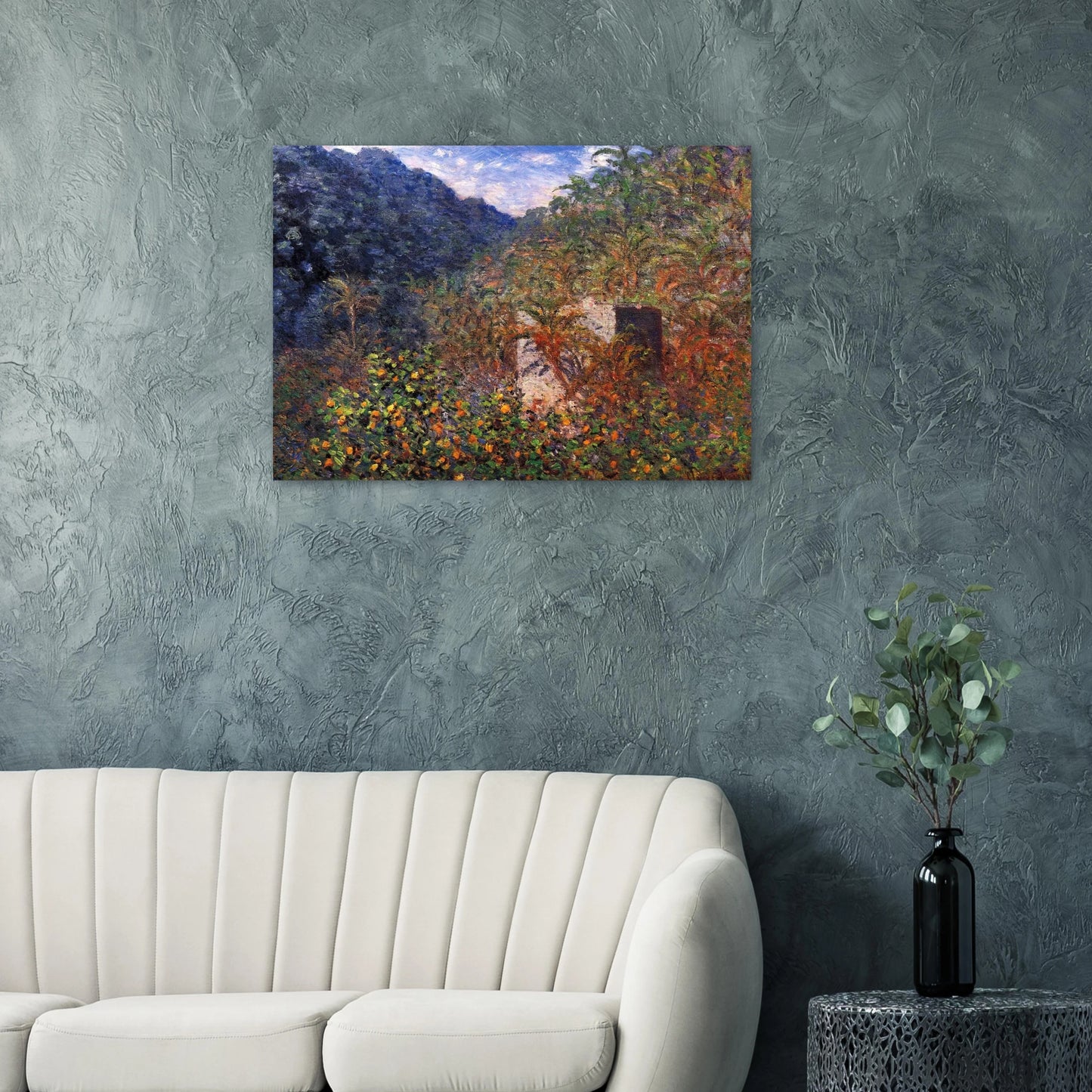
Das Tal von Sasso, Blauer Effekt - Claude Monet Aluminiumdruck auf brushed Aluminum
Tauchen Sie ein in die atmosphärische Brillanz von Claude Monets Das Tal von Sasso, Blauer Effekt, ein meisterhaftes impressionistisches Landschaftsgemälde, das nun als museumreife Reproduktion von RedKalion erhältlich ist. Dieser Fine-Art-Druck fängt das ätherische Licht und die lebendige Farbpalette ein, die Monets bahnbrechendes Werk prägten, und verwandelt jeden Raum in eine Galerie zeitloser Schönheit.
Kunsthistorische Bedeutung & Stimmung
Gemalt während Monets Erkundungen der italienischen Riviera, verkörpert Das Tal von Sasso, Blauer Effekt seine revolutionäre Technik, flüchtige Momente von Licht und Atmosphäre einzufangen. Die Komposition, mit üppigen Tälern, die in ein sanftes Blau getaucht sind, weckt ein Gefühl von ruhiger Versenkung in die Natur – ein Markenzeichen des Impressionismus, der die sinnliche Erfahrung über starre Details stellt. Monets lockere, ausdrucksstarke Pinselstriche lassen Formen in ein harmonisches Farbenspiel zerfließen und laden den Betrachter ein, die kühle, neblige Luft der mediterranen Landschaft zu spüren.
Premium-physische Spezifikationen
Diese archivqualitative Reproduktion wird sorgfältig auf brushed silbernem Aluminium DIBOND® mit einer Dicke von 3 mm für außergewöhnliche Haltbarkeit und eine rigide, galeriefertige Präsentation gefertigt. Die Direktdrucktechnologie garantiert lebendige, farbbeständige Farben, die Monets Originalpalette ehren, während die matte, blendfreie Oberfläche die Betrachtung aus jedem Winkel verbessert. Unbedruckte Bereiche zeigen einen auffälligen metallisch-silbernen Effekt, der diesem klassischen Meisterwerk einen dynamischen, zeitgenössischen Touch verleiht.
- Maße: 70x100 cm / 28x40 Zoll – eine statementträchtige Größe, perfekt für Wohnzimmer, Büros oder kreative Räume.
- Material: Gebürstetes Aluminium mit horizontaler Maserung für ein strukturiertes, modernes Aussehen.
- Enthalten: Aufhängeset für mühelose Installation (variiert je nach Lieferland).
Veredeln Sie Ihre Umgebung mit einem archivwürdigen Meisterwerk, das Bestand hat, unterstützt durch RedKalions Expertise in der Kuratierung weltklasse Reproduktionen für anspruchsvolle Sammler.
```


Discover Unlimited Art Possibilities
At RedKalion, you can find virtually any artwork from any artist, available in a wide range of sizes to perfectly match your space.
If you didn’t find what you’re looking for, contact us at support@redkalion.com . We will source any artwork and produce it in any size and format you need, including art prints, posters, canvas, framed pieces, framed canvas, and more.
For dedicated art enthusiasts, we also offer handcrafted replicas of any artwork, carefully painted by highly skilled artists using traditional techniques.
For custom requests, contact us at support@redkalion.com .
What are the dimensions of this Claude Monet aluminum print?
This fine art print measures 70x100 cm (28x40 inches), offering a substantial, gallery-worthy presence ideal for enhancing living rooms or offices with museum-quality reproductions.
What material is used for this brushed aluminum print?
It features brushed silver Aluminum DIBOND® with a 3mm thickness and horizontal grain, ensuring a durable, rigid base with a dynamic metallic finish for vivid colors.
How is the print applied to the aluminum surface?
We use direct printing on AluDibond, which provides a matte, glare-free finish with vibrant, fade-resistant colors, while unprinted areas reveal a striking silver effect.
Is a hanging kit included with this Monet artwork?
Yes, a hanging kit is included for easy installation; specific components may vary by fulfillment country to ensure secure mounting.
How durable and archival is this aluminum print?
This archival-grade reproduction is designed for longevity, with fade-resistant inks and a 3mm aluminum base that resists warping, making it a lasting investment.
What inspired Claude Monet's The Valley of Sasso, Blue Effect?
Painted during his time on the Italian Riviera, Monet was inspired by the region's unique light and atmosphere, using blue tones to capture the serene, misty valleys of Sasso.
How does Monet's technique in this painting reflect Impressionism?
Monet employed loose, expressive brushstrokes and a focus on color harmony to depict fleeting light effects, emphasizing sensory experience over detailed realism, key to Impressionist art.