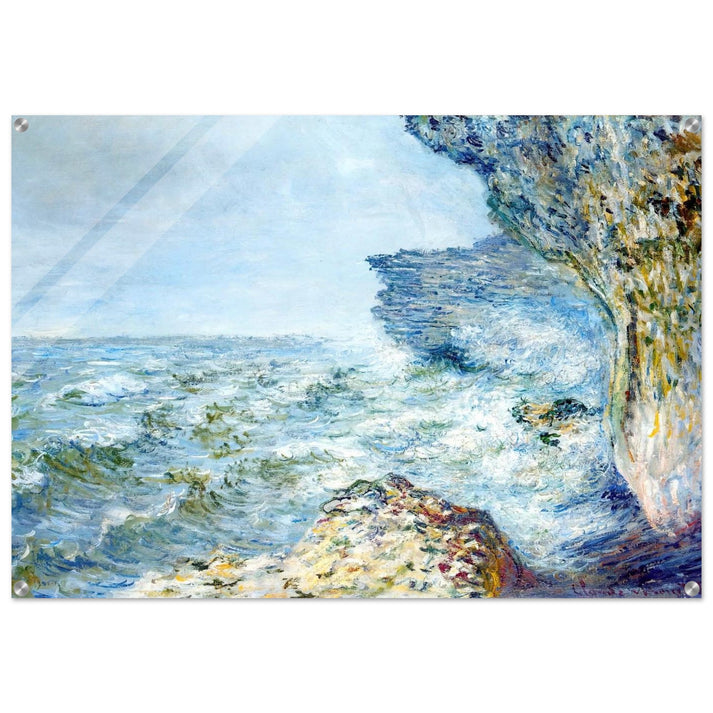


Das Meer bei Fécamp - Claude Monet Acryl-Druck - 70x100 cm / 28x40″ Zoll
Das Meer bei Fécamp - Claude Monet Acryl-Druck - 70x100 cm / 28x40″ Zoll
Verfügbarkeit für Abholungen konnte nicht geladen werden
Das Meer in Fécamp von Claude Monet: Ein Acryl-Druck-Meisterwerk
Tauchen Sie ein in die strahlende Schönheit von Claude Monets Das Meer in Fécamp, jetzt als museumreifes Acryl-Druckbild von RedKalion erhältlich. Dieses ikonische impressionistische Werk fängt das dynamische Zusammenspiel von Licht und Wasser entlang der normannischen Küste ein und zeigt Monets revolutionäre Technik der gebrochenen Pinselstriche und lebendigen Farben. Das 1881 entstandene Gemälde spiegelt seine tiefe Faszination für die sich ständig wandelnden Stimmungen des Meeres wider – von ruhiger Gelassenheit bis zu stürmischer Energie.
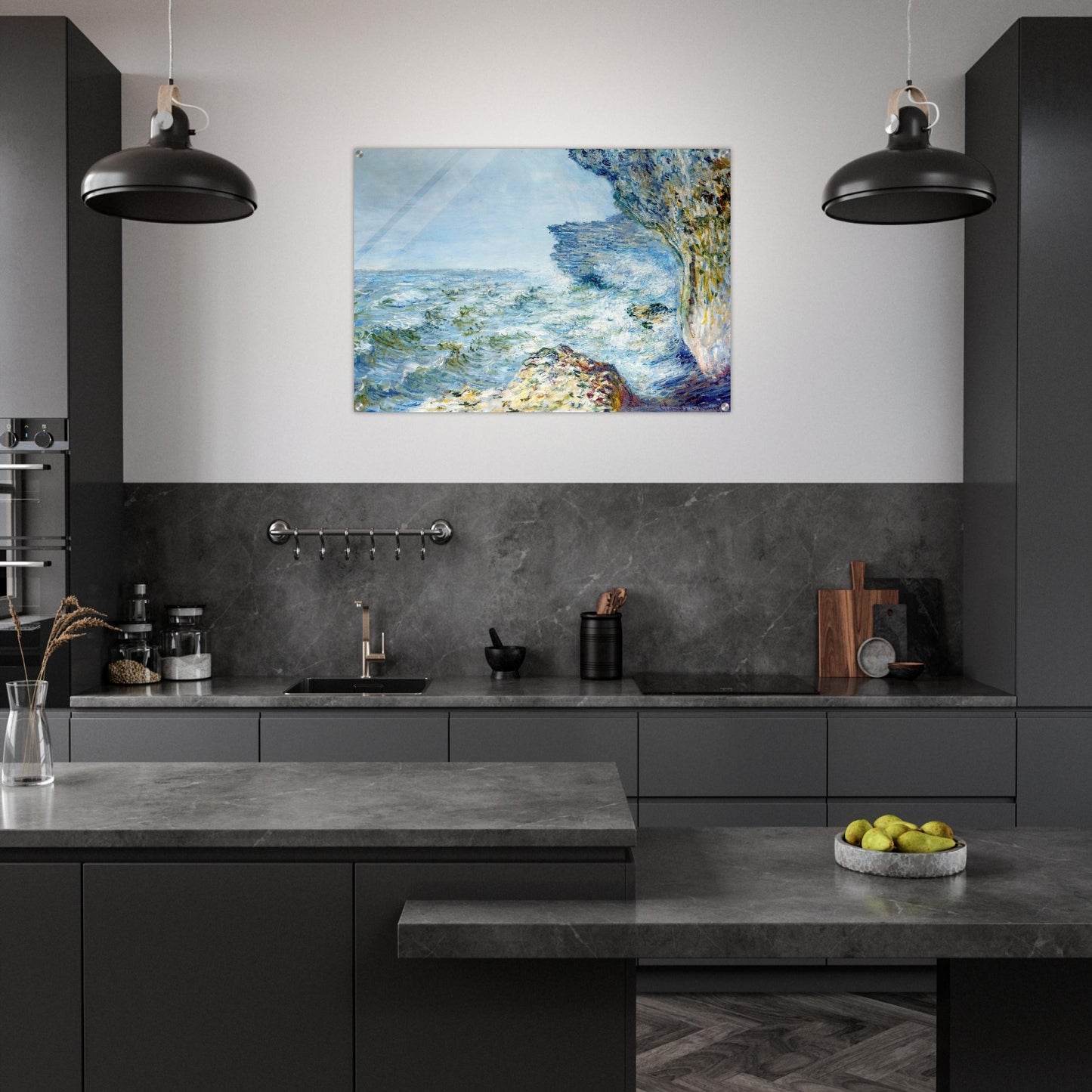
Unsere hochwertige Reproduktion wird auf 4 mm (0,15") Acryl gefertigt und bietet einen schlanken, lebendigen und strapazierfähigen Finish, der die Leuchtkraft des Kunstwerks verstärkt. Mit den Maßen 70 x 100 cm / 28 x 40" und geraden Ecken für einen modernen Look ist dieser Druck darauf ausgelegt, jeden Raum aufzuwerten. Transparente Hintergründe werden standardmäßig weiß dargestellt, um eine optimale Präsentation zu gewährleisten und die Details der Meereslandschaft strahlen zu lassen. Jedes Stück enthält ein vollständiges Aufhängeset mit Befestigungselementen, Schrauben und vorgebohrten Schraubenlöchern an jeder Ecke (14 mm vom Rand entfernt, 8 mm Durchmesser, 15 mm Schraubenkopf) für eine mühelose Installation.
Bei RedKalion spezialisieren wir uns auf archivierungswürdige Reproduktionen, die die ursprüngliche Vision des Künstlers ehren. Dieser Acryl-Druck bringt nicht nur Monets Meisterschaft in Ihr Zuhause, sondern dient auch als zeitlose Investition in die bildende Kunst. Veredeln Sie Ihr Dekor mit einem Stück, das den Geist des Impressionismus und bleibende Qualität verkörpert.
```


Discover Unlimited Art Possibilities
At RedKalion, you can find virtually any artwork from any artist, available in a wide range of sizes to perfectly match your space.
If you didn’t find what you’re looking for, contact us at support@redkalion.com . We will source any artwork and produce it in any size and format you need, including art prints, posters, canvas, framed pieces, framed canvas, and more.
For dedicated art enthusiasts, we also offer handcrafted replicas of any artwork, carefully painted by highly skilled artists using traditional techniques.
For custom requests, contact us at support@redkalion.com .
What are the dimensions and material of this Monet acrylic print?
This fine art print measures 70x100 cm (28x40 inches) and is crafted on 4mm (0.15") acrylic for a vibrant, durable finish with straight-cut corners for a modern look.
How is the acrylic print mounted and hung?
It includes a hanging kit with hardware, screws, and pre-drilled screw holes at each corner (14mm from edge, 8mm diameter) for easy installation on your wall.
What is the historical significance of The Sea at Fécamp by Claude Monet?
Painted in 1881, this Impressionist masterpiece showcases Monet's innovative use of light and color to capture the dynamic Normandy coast, reflecting his deep study of sea moods.
How does the acrylic enhance the artwork's appearance?
The 4mm acrylic provides a sleek, glossy surface that intensifies colors and adds depth, making Monet's brushstrokes and luminosity pop for a museum-quality display.
What makes RedKalion's reproductions archival-grade?
We use premium materials and precise techniques to ensure longevity, offering fade-resistant prints that preserve the artwork's integrity for years.
Can I customize the background color for transparent areas?
Transparent backgrounds default to white for optimal presentation, enhancing the seascape's details without additional customization options.
How does Monet's technique in this piece influence modern art?
His broken brushstrokes and focus on light effects in The Sea at Fécamp helped define Impressionism, inspiring generations of artists to explore natural scenes.