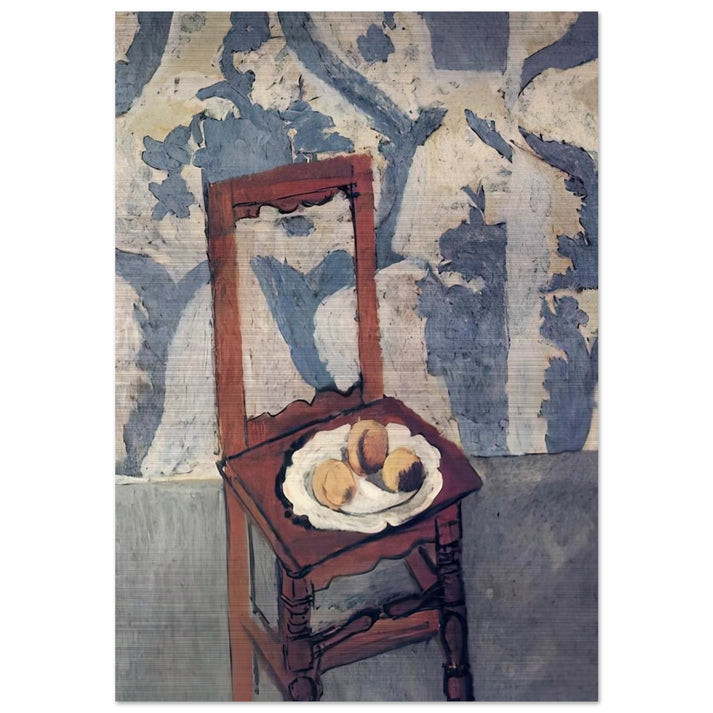


DIE LORRAIN-CHAIR - Henri Matisse Aluminiumdruck - 70x100 cm / 28x40 Zoll | Henri Matisse Aluminiumdruck | Henri Matisse Drucke
DIE LORRAIN-CHAIR - Henri Matisse Aluminiumdruck - 70x100 cm / 28x40 Zoll | Henri Matisse Aluminiumdruck | Henri Matisse Drucke
Verfügbarkeit für Abholungen konnte nicht geladen werden
Der Lorrain-Stuhl von Henri Matisse: Eine modernistische Ikone aus gebürstetem Aluminium
Besitzen Sie eine museumswürdige Reproduktion von Henri Matisses Der Lorrain-Stuhl, ein gefeiertes Werk aus seinen späteren Jahren, das seinen revolutionären Ansatz in Form und Farbe verkörpert. Dieser Henri Matisse Aluminiumdruck fängt das Wesen des Originals ein – wo Matisse Alltagsgegenstände in reine, ausdrucksstarke Formen destillierte und Abstraktion mit einem spielerischen Sinn für Häuslichkeit verband. Entstanden während seiner ikonischen Scherenschnitt-Periode in den 1950er Jahren, spiegelt dieses Werk seine Meisterschaft in vereinfachter Komposition und harmonischer Farbgebung wider und vermittelt eine Stimmung von heiterer Eleganz und künstlerischer Freiheit.
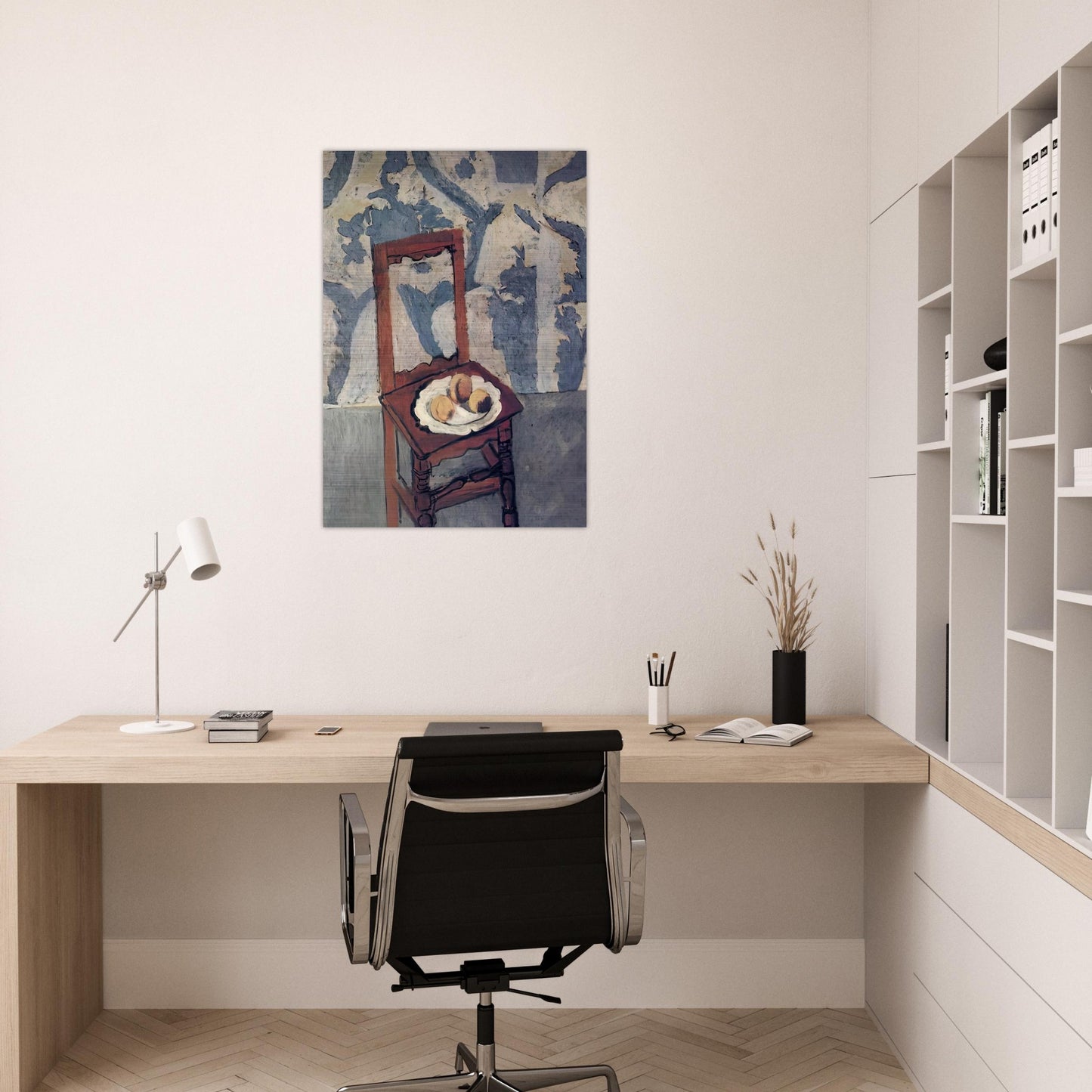
RedKalion präsentiert dieses Meisterwerk als hochwertigen Fine-Art-Druck auf gebürstetem silbernem Aluminium DIBOND® mit den Maßen 70x100 cm / 28x40 Zoll. Die 3 mm (0,12") Dicke sorgt für eine stabile, verwindungsfeste Basis, die sich nicht verzieht, während die Direktdruck-Technologie auf AluDibond lebendige, farbechthe Farben mit einer mattierten, blendfreien Oberfläche liefert. Unbedruckte Bereiche zeigen einen markanten metallisch-silbernen Effekt, der die dynamische visuelle Wirkung des Kunstwerks durch eine horizontale Maserung verstärkt, die Textur und Tiefe verleiht.
Veredeln Sie Ihren Raum mit einem archivbeständigen Meisterwerk, das Bestand hat – unterstützt durch RedKalions Engagement für museumswürdige Reproduktionen. Jeder Druck enthält ein Aufhängeset (variiert je nach Lieferland) für eine einfache Installation und ist damit eine anspruchsvolle Ergänzung für moderne Innenräume, Galerien oder Büros.
```


Discover Unlimited Art Possibilities
At RedKalion, you can find virtually any artwork from any artist, available in a wide range of sizes to perfectly match your space.
If you didn’t find what you’re looking for, contact us at support@redkalion.com . We will source any artwork and produce it in any size and format you need, including art prints, posters, canvas, framed pieces, framed canvas, and more.
For dedicated art enthusiasts, we also offer handcrafted replicas of any artwork, carefully painted by highly skilled artists using traditional techniques.
For custom requests, contact us at support@redkalion.com .
What is the historical significance of The Lorrain Chair by Henri Matisse?
The Lorrain Chair is a key work from Matisse's late cut-out period (1950s), showcasing his innovative use of simplified forms and bold colors to transform everyday objects into abstract art, reflecting his mastery of modernist expression.
How does the brushed aluminum material enhance this Matisse print?
The brushed silver Aluminum DIBOND® with a metallic finish and horizontal grain adds a dynamic, contemporary look, while unprinted white areas reveal a striking silver effect, making it ideal for Matisse's vibrant designs.
What are the specifications of this Henri Matisse aluminum print?
This museum-quality reproduction measures 70x100 cm / 28x40 inches, with a 3mm thick Aluminum DIBOND® base, direct print for vivid colors, and a matte, glare-free finish for optimal display.
Is the hanging kit included with this fine art print?
Yes, a hanging kit is included with every order, though the specific components may vary based on your fulfillment country to ensure secure installation.
How durable and archival is this brushed aluminum print?
Made with direct print on AluDibond, this print offers fade-resistant colors and a rigid 3mm base, ensuring long-lasting durability as a premium archival reproduction.
Why did Matisse focus on chairs in his later works like The Lorrain Chair?
Matisse used chairs as symbols of domestic life and artistic experimentation, simplifying them into abstract shapes to explore color, form, and spatial relationships in his cut-out technique.
What makes the matte finish ideal for this Henri Matisse artwork?
The matte, glare-free finish minimizes reflections, enhancing the visibility of Matisse's bold black-and-white and color elements, while complementing the brushed silver metallic effect.