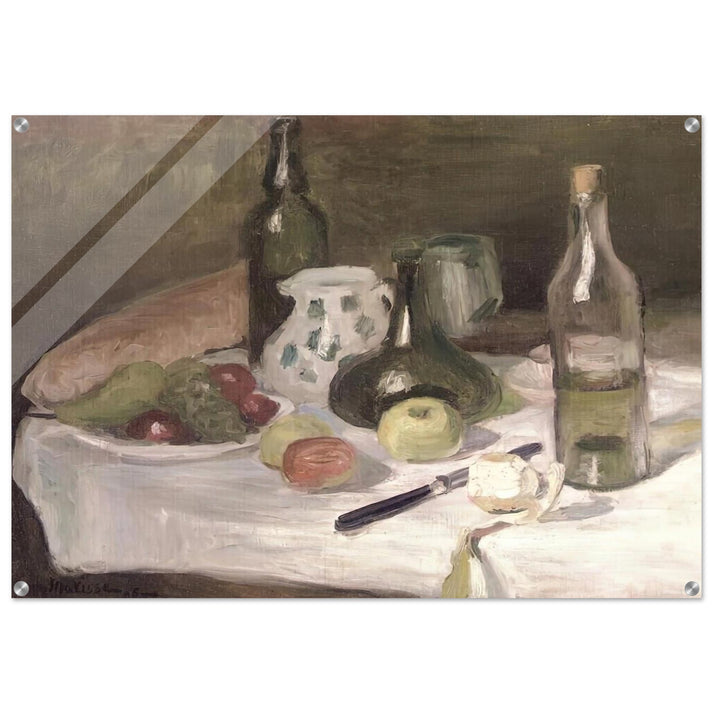


STILLLEBEN MIT OBST UND FLASCHEN 1896 - Henri Matisse Acryl-Druck - 70x100 cm / 28x40″ Zoll | Henri Matisse Wandkunst | Henri Matisse Drucke
STILLLEBEN MIT OBST UND FLASCHEN 1896 - Henri Matisse Acryl-Druck - 70x100 cm / 28x40″ Zoll | Henri Matisse Wandkunst | Henri Matisse Drucke
Verfügbarkeit für Abholungen konnte nicht geladen werden
Stillleben mit Obst und Flaschen (1896) von Henri Matisse
Tauchen Sie Ihren Raum in die lebendige Energie der frühen modernen Kunst mit diesem museumswürdigen Acryl-Druck von Henri Matisse' Stillleben mit Obst und Flaschen aus dem Jahr 1896. Dieses Werk fängt einen entscheidenden Moment in Matisse' Karriere ein, als er begann, mit kräftigen Farben und ausdrucksstarkem Pinselstrich zu experimentieren, die später seinen Fauvismus-Stil prägen würden. Die Komposition, die üppiges Obst und Glasflaschen zeigt, strahlt ein Gefühl von freudvoller Fülle und künstlerischer Innovation aus und macht es zu einem zeitlosen Mittelpunkt für jeden Raum.
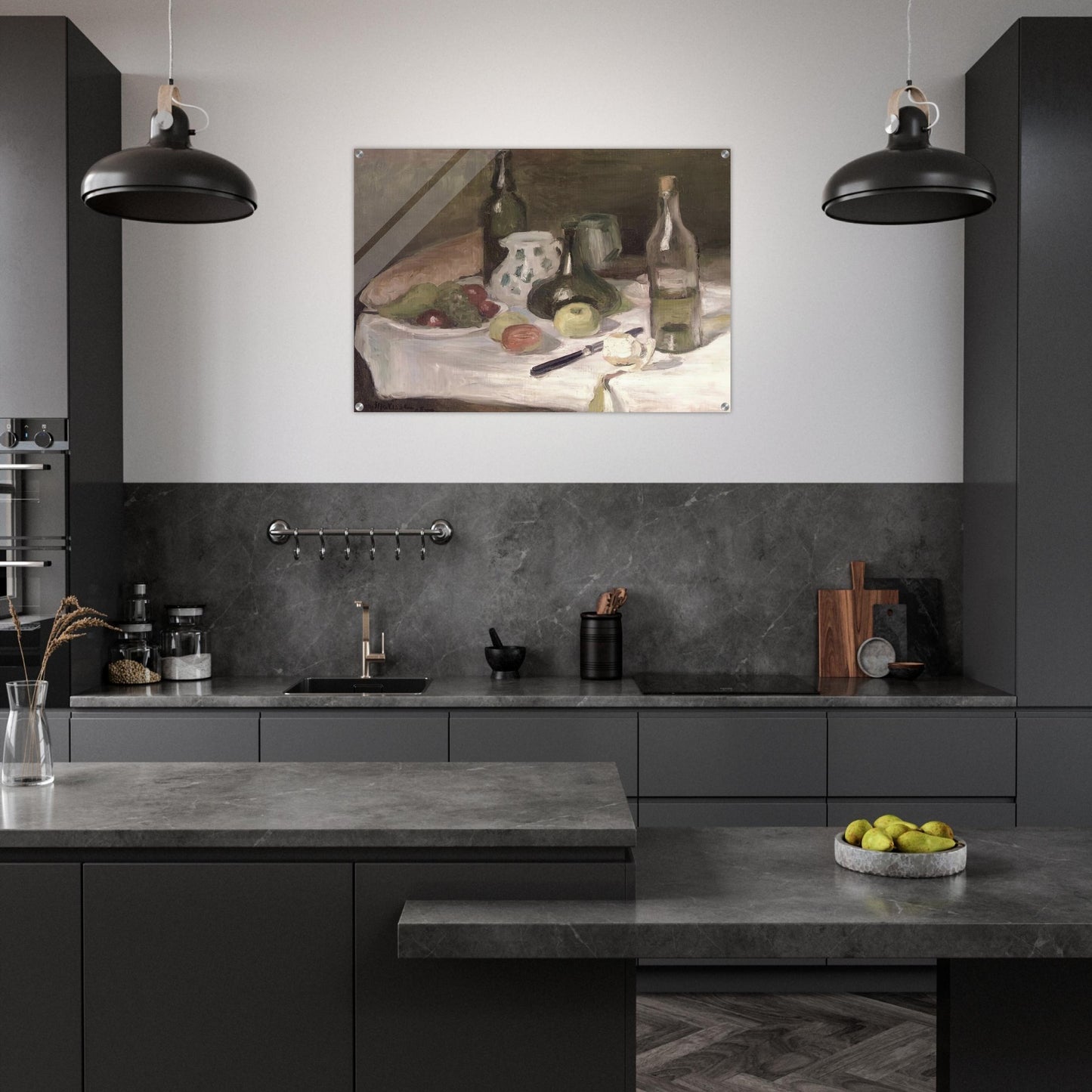
RedKalion präsentiert diese archivtaugliche Reproduktion auf einer 4 mm (0,15") Acrylplatte, die eine schlanke, lebendige und strapazierfähige Oberfläche gewährleistet, die vor Ausbleichen und Beschädigungen schützt. Mit geraden Schnittkanten für einen modernen Look und einem standardmäßigen weißen Hintergrund für transparente Bereiche ist dieses Stück sofort einsatzbereit, um Ihre Einrichtung aufzuwerten. Jeder Druck enthält ein vollständiges Aufhängeset mit Befestigungselementen, Schrauben und vorgebohrten Löchern (14 mm vom Rand, 8 mm Durchmesser) für eine mühelose Installation.
Maße: 70 x 100 cm / 28 x 40 Zoll.
Bereichern Sie Ihre Sammlung mit einem Stück, das historische Bedeutung mit zeitgenössischer Handwerkskunst verbindet – ein Beweis für RedKalions Engagement für hochwertige Kunstreproduktionen.
```


Discover Unlimited Art Possibilities
At RedKalion, you can find virtually any artwork from any artist, available in a wide range of sizes to perfectly match your space.
If you didn’t find what you’re looking for, contact us at support@redkalion.com . We will source any artwork and produce it in any size and format you need, including art prints, posters, canvas, framed pieces, framed canvas, and more.
For dedicated art enthusiasts, we also offer handcrafted replicas of any artwork, carefully painted by highly skilled artists using traditional techniques.
For custom requests, contact us at support@redkalion.com .
What is the historical significance of this Henri Matisse artwork?
Painted in 1896, this still life marks Matisse's early exploration of color and form, foreshadowing his revolutionary Fauvist style that would emerge in the early 1900s, making it a key piece for art enthusiasts.
What materials are used in this acrylic print?
This museum-quality reproduction features a 4mm (0.15") acrylic panel for a vibrant, durable finish with straight-cut corners, ensuring a sleek and modern look for your Henri Matisse wall art.
How is the print shipped and installed?
It includes a hanging kit with hardware, screws, and pre-drilled holes (14mm from edge, 8mm diameter) for easy setup, shipped securely to protect your fine art print during transit.
Is this print archival and fade-resistant?
Yes, the acrylic material offers excellent UV resistance and longevity, making this Henri Matisse print a durable, archival-grade addition to your home or office decor.
What are the dimensions of this artwork?
This piece measures 70x100 cm (28x40 inches), ideal for creating a striking focal point with its vibrant still life composition and premium acrylic finish.
Why does Matisse use such bold colors in this still life?
In 1896, Matisse was influenced by Post-Impressionists like Cézanne, experimenting with intense hues to convey emotion and structure, a technique that later defined Fauvism in his prints.
Can I customize the background color for transparent areas?
By default, transparent backgrounds are set to white for optimal presentation, enhancing the vivid colors of this Henri Matisse reproduction without additional customization options.