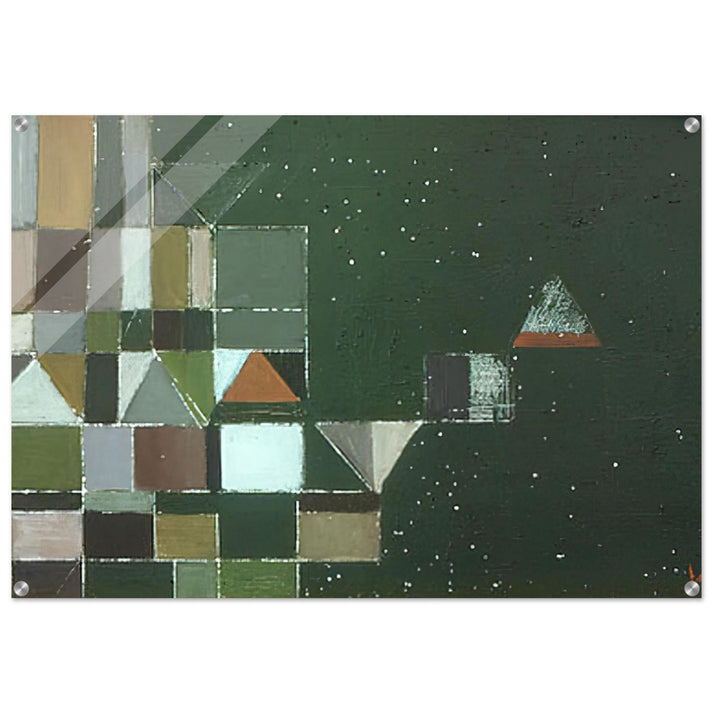


QUADRATISCHES MOTIV GRÜN LILA 1948 - Victor Pasmore Acryl-Druck - 70x100 cm / 28x40″ Zoll
QUADRATISCHES MOTIV GRÜN LILA 1948 - Victor Pasmore Acryl-Druck - 70x100 cm / 28x40″ Zoll
Verfügbarkeit für Abholungen konnte nicht geladen werden
Quadratisches Motiv Grün-Lila 1948 von Victor Pasmore
Tauchen Sie ein in die bahnbrechende Abstraktion von Victor Pasmore mit diesem museumswürdigen Acryldruck von Quadratisches Motiv Grün-Lila 1948. Dieses bedeutende Werk markiert Pasmores radikalen Wandel von der gegenständlichen Malerei zur reinen geometrischen Abstraktion – ein prägender Moment in der britischen Kunst nach dem Zweiten Weltkrieg. Die Komposition mit ihrem harmonischen Zusammenspiel grüner und lilafarbener Quadrate vermittelt eine ruhige, modernistische Eleganz, perfekt zur Aufwertung zeitgenössischer Innenräume.
RedKalion präsentiert diese archivtreue Reproduktion auf einer 4 mm (0,15") Acrylplatte, die eine lebendige Farbtreue und eine schlanke, strapazierfähige Oberfläche mit hoher Lichtbeständigkeit gewährleistet. Die geraden Schnittkanten und klaren Linien unterstreichen die modernistische Ästhetik des Kunstwerks, während transparente Hintergründe für eine optimale visuelle Klarheit weiß dargestellt werden. Jeder Druck wird nach Galerie-Standards sorgfältig gefertigt und ist bereit, Ihren Raum mit einem Hauch historischer künstlerischer Bedeutung zu veredeln.
Wesentliche Merkmale:
- Maße: 70 x 100 cm / 28 x 40 Zoll
- Material: 4 mm (0,15") Acryl für eine lebendige, lichtbeständige Präsentation
- Design: Gerade Schnittkanten mit weißem Hintergrund für eine moderne Darstellung
- Enthalten: Aufhängeset mit Hardware, Schrauben und vorgebohrten Löchern (14 mm vom Rand, 8 mm Durchmesser)
- Kunstfertigkeit: Hochauflösende Reproduktion von Victor Pasmores abstraktem Meisterwerk aus dem Jahr 1948
Besitzen Sie ein Stück Kunstgeschichte mit diesem hochwertigen Acryldruck, der für bleibende Schönheit und Eleganz konzipiert ist.
```


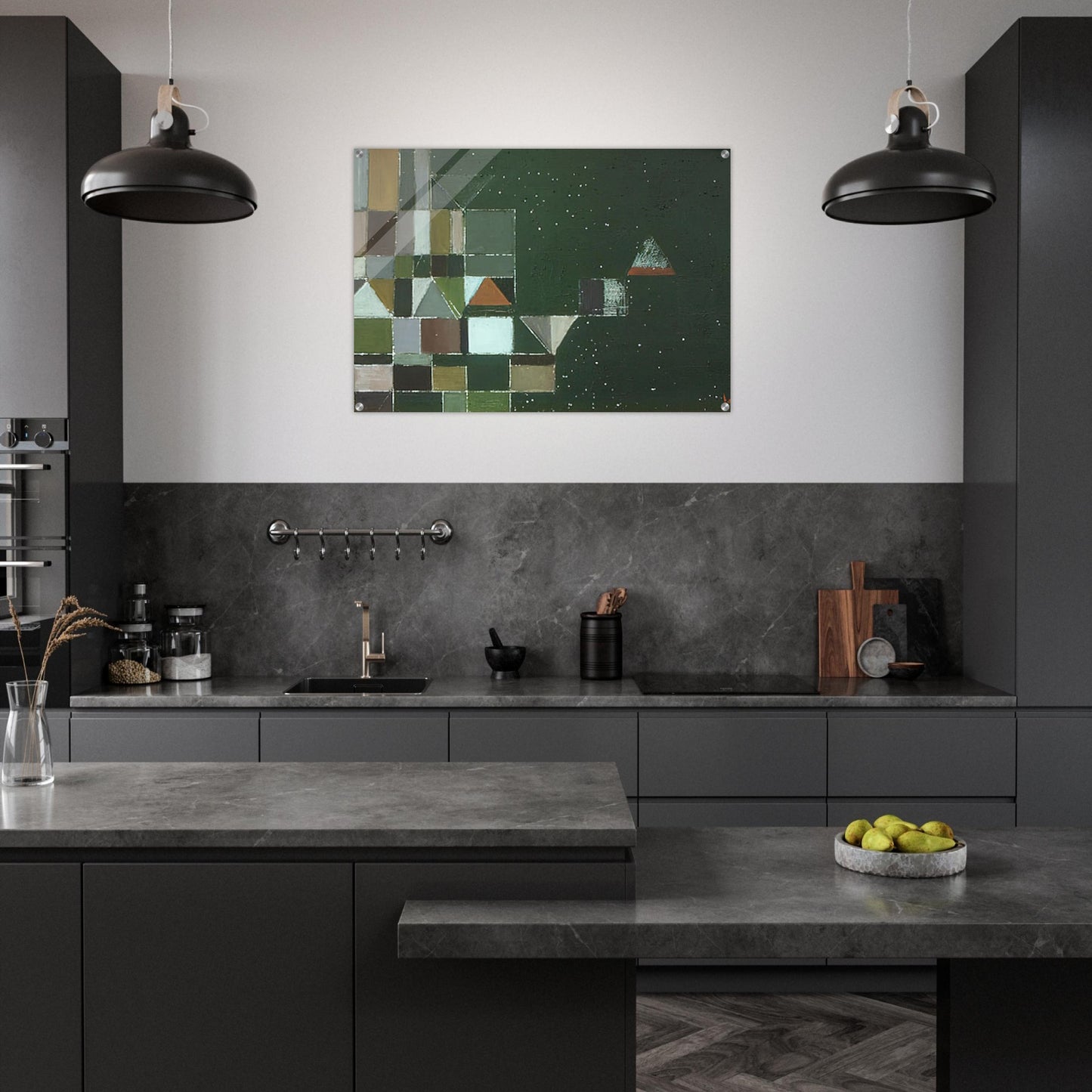
Discover Unlimited Art Possibilities
At RedKalion, you can find virtually any artwork from any artist, available in a wide range of sizes to perfectly match your space.
If you didn’t find what you’re looking for, contact us at support@redkalion.com . We will source any artwork and produce it in any size and format you need, including art prints, posters, canvas, framed pieces, framed canvas, and more.
For dedicated art enthusiasts, we also offer handcrafted replicas of any artwork, carefully painted by highly skilled artists using traditional techniques.
For custom requests, contact us at support@redkalion.com .
What is the historical significance of Square Motif Green Lilac 1948?
This artwork marks Victor Pasmore's pivotal transition to geometric abstraction in 1948, influencing post-war British modernism with its serene color harmony and pure form, making it a key piece for fine art collectors.
How are the colors reproduced in this acrylic print?
We use high-resolution archival printing on 4mm acrylic to capture the vibrant green and lilac tones with museum-quality accuracy, ensuring a durable and fade-resistant fine art reproduction.
What are the specifications of the acrylic material?
The print features a 4mm (0.15") thick acrylic panel with straight-cut corners, providing a sleek, modern look and vibrant display for this abstract art piece.
How is the hanging kit installed?
It includes hardware and screws with pre-drilled holes 14mm (0.55") from the edge (8mm diameter), designed for easy mounting of this 70x100 cm acrylic print.
Is the background of the print customizable?
Transparent backgrounds default to white for optimal presentation, enhancing the modernist aesthetic of this Victor Pasmore artwork in your home or office.
What makes this a museum-quality reproduction?
Our archival printing process and premium acrylic material ensure high color fidelity and durability, meeting gallery standards for this abstract masterpiece.
How does this artwork fit into Victor Pasmore's career?
Created in 1948, it exemplifies his shift from realism to abstraction, establishing him as a leader in British modernist art with geometric motifs.