
See See Rider - 1946 - Jimmy Ernst Acryl-Druck - 70x100 cm / 28x40″ Zoll | Jimmy Ernst Wandkunst | Jimmy Ernst Drucke
See See Rider - 1946 - Jimmy Ernst Acryl-Druck - 70x100 cm / 28x40″ Zoll | Jimmy Ernst Wandkunst | Jimmy Ernst Drucke
Verfügbarkeit für Abholungen konnte nicht geladen werden
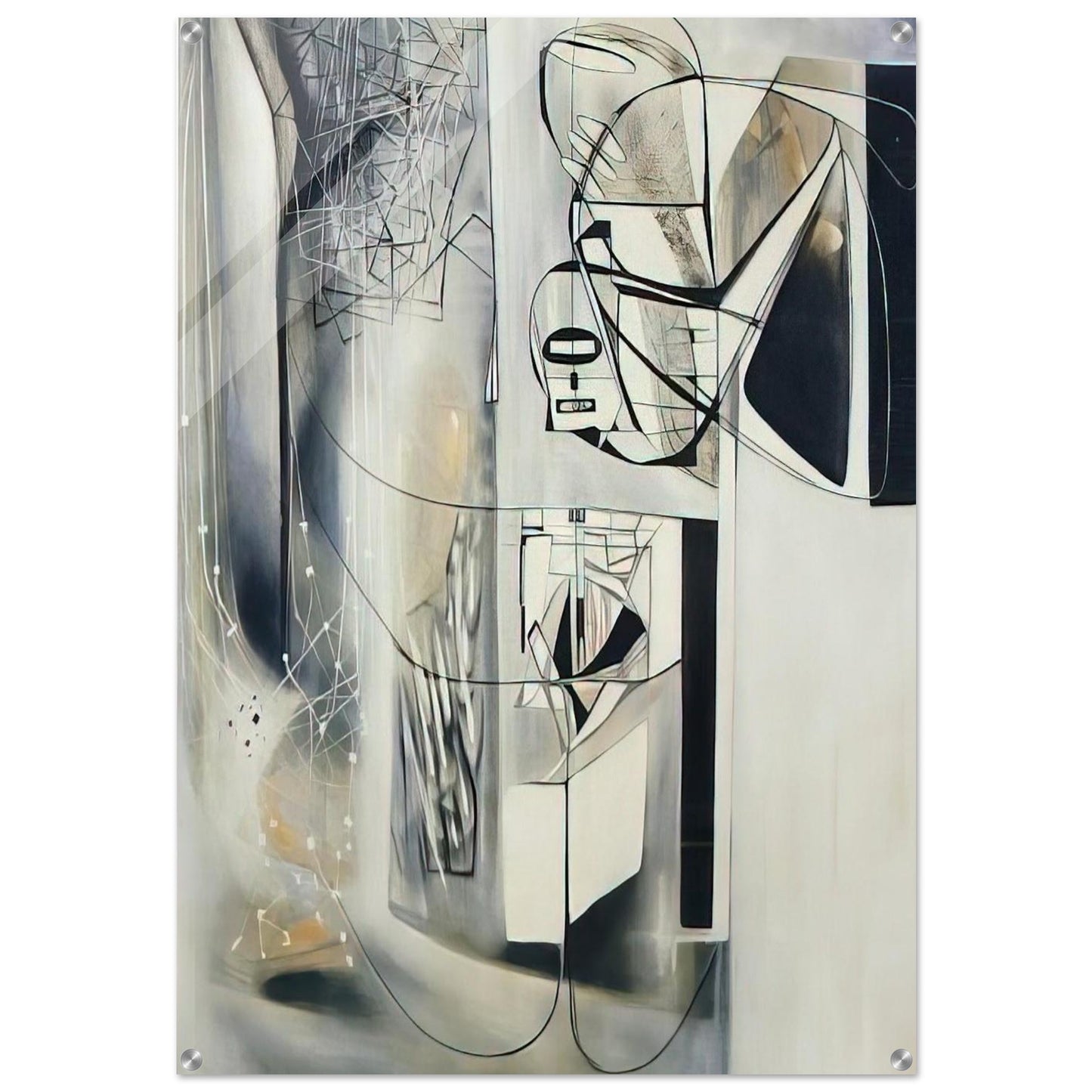
See See Rider (1946) von Jimmy Ernst: Ein modernistisches Meisterwerk
Tauchen Sie ein in die dynamische Energie von Jimmy Ernsts ikonischem Gemälde "See See Rider" aus dem Jahr 1946, das nun als hochwertiger Acryldruck von RedKalion erhältlich ist. Diese museumsqualitative Reproduktion fängt jede Nuance von Ernsts bahnbrechendem Stil des abstrakten Expressionismus ein, in dem kühne geometrische Formen und rhythmische Linien den pulsierenden Geist des Mid-Century Modernismus heraufbeschwören. Als Sohn des surrealistischen Meisters Max Ernst schlug Jimmy seinen eigenen Weg ein, indem er europäische avantgardistische Einflüsse mit der rohen, spontanen Energie der amerikanischen Nachkriegskunst verband und Werke schuf, die zeitlose Eleganz ausstrahlen.
Unser archivbeständiger Acryldruck verwandelt dieses historische Kunstwerk in eine atemberaubende zeitgenössische Darstellung. Auf 4 mm (0,15") Acryl gedruckt, bietet er außergewöhnliche Leuchtkraft und Tiefe mit Farben, die vor jedem Hintergrund strahlen. Die geraden Schnittkanten und die glatte Oberfläche verleihen ihm ein modernes Aussehen, während transparente Bereiche standardmäßig weiß sind, um optimale Klarheit zu gewährleisten. Jedes Stück enthält ein vollständiges Aufhängeset mit Befestigungselementen, Schrauben und vorgebohrten Löchern (14 mm vom Rand, 8 mm Durchmesser) für eine mühelose Installation.
Veredeln Sie Ihren Raum mit diesem 70x100 cm / 28x40" Meisterwerk – eine langlebige, galeriefertige Ergänzung, die Ernsts Vermächtnis ehrt und Ihre Einrichtung mit archivbeständiger Präzision bereichert.
```
Discover Unlimited Art Possibilities
At RedKalion, you can find virtually any artwork from any artist, available in a wide range of sizes to perfectly match your space.
If you didn’t find what you’re looking for, contact us at support@redkalion.com . We will source any artwork and produce it in any size and format you need, including art prints, posters, canvas, framed pieces, framed canvas, and more.
For dedicated art enthusiasts, we also offer handcrafted replicas of any artwork, carefully painted by highly skilled artists using traditional techniques.
For custom requests, contact us at support@redkalion.com .
What are the dimensions and materials of this Jimmy Ernst acrylic print?
This print measures 70x100 cm (28x40 inches) and is crafted from 4mm (0.15") acrylic for a vibrant, durable finish with straight-cut corners and a modern look.
How is the acrylic print mounted and hung?
It includes a hanging kit with hardware, screws, and pre-drilled holes (14mm from the edge, 8mm diameter) for easy installation, ensuring a secure display.
What is the historical significance of "See See Rider" by Jimmy Ernst?
Created in 1946, it reflects Ernst's abstract expressionist style, blending European modernism with American postwar energy, showcasing his unique geometric forms.
How does RedKalion ensure the quality of this museum-quality reproduction?
We use archival-grade printing on 4mm acrylic to capture vibrant colors and details, offering a durable, gallery-ready piece that honors the original artwork.
What is the shipping and delivery time for this acrylic print?
We offer secure packaging and reliable shipping, with delivery times varying by location; contact us for specific estimates to ensure safe arrival.
How does the acrylic material enhance the artwork's presentation?
The 4mm acrylic provides a sleek, vibrant finish with deep color saturation, making geometric forms pop and ensuring long-lasting durability for display.
What inspired Jimmy Ernst's use of geometric forms in "See See Rider"?
Influenced by surrealism and abstract expressionism, Ernst used geometric shapes to create rhythmic, dynamic compositions that evoke movement and modern energy.