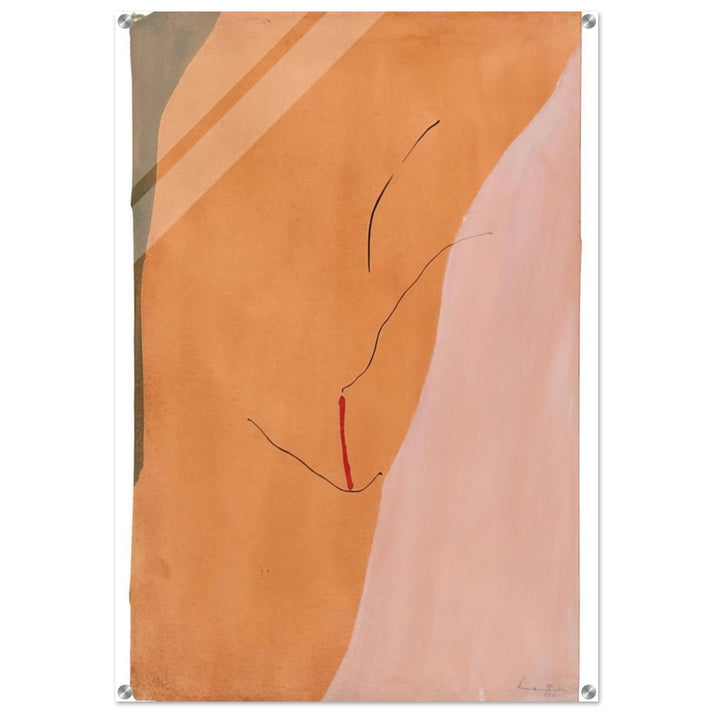
Sanguine Mood - 1971 - Helen Frankenthaler Acryl-Druck - 70x100 cm / 28x40″ Zoll | Helen Frankenthaler Wandkunst | Helen Frankenthaler Drucke
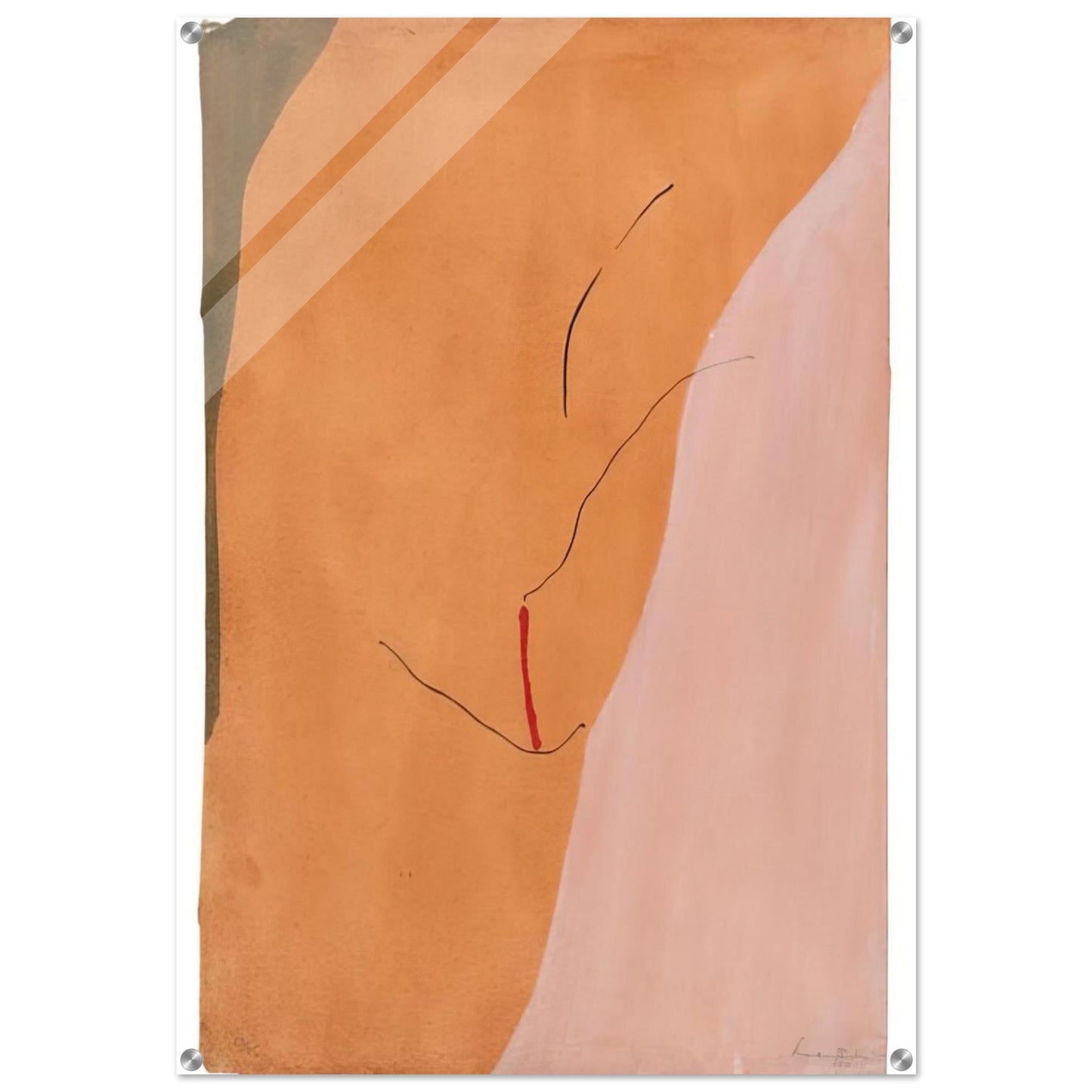
Sanguine Mood - 1971 - Helen Frankenthaler Acryl-Druck - 70x100 cm / 28x40″ Zoll | Helen Frankenthaler Wandkunst | Helen Frankenthaler Drucke
Verfügbarkeit für Abholungen konnte nicht geladen werden
Sanguine Mood (1971) von Helen Frankenthaler
Tauchen Sie ein in die strahlende, atmosphärische Schönheit von Helen Frankenthalers Sanguine Mood, einem Meisterwerk aus dem Jahr 1971, das nun als museumreifer Acryldruck von RedKalion erhältlich ist. Dieses ikonische Werk verkörpert Frankenthalers revolutionäre Soak-Stain-Technik, bei der verdünnte Acrylfarbe direkt auf ungegrundete Leinwand gegossen wurde, wodurch ätherische, aquarellartige Farbverläufe entstehen, die zu leben scheinen. Der Titel Sanguine Mood weckt eine warme, optimistische Stimmung mit seinen fließenden, sanguinen (rötlichen) Tönen, die nahtlos in weiche, organische Formen übergehen und zum Nachdenken und emotionalen Resonanz einladen. Als eine der führenden Persönlichkeiten der Color-Field-Bewegung transformierte Frankenthaler den abstrakten Expressionismus, und dieses Werk fängt ihr Genie ein, Stimmungen durch reine, strahlende Farben zu evozieren.
RedKalion präsentiert dieses Kunstwerk als Premium-Feinstdruck, sorgfältig reproduziert, um jede Nuance des Originals zu ehren. Auf 4 mm (0,15") Acryl gedruckt, bietet es einen schlanken, lebendigen und strapazierfähigen Finish, der Farbsättigung und Tiefe verstärkt und es zu einem atemberaubenden Blickfang für jedes moderne Interieur macht. Das Design zeichnet sich durch gerade geschnittene Ecken für einen sauberen, zeitgenössischen Look aus, wobei transparente Hintergründe standardmäßig auf Weiß gesetzt sind, um eine optimale Präsentation zu gewährleisten. Jeder Druck enthält ein vollständiges Aufhängeset mit Hardware, Schrauben und vorgebohrten Schraublöchern (14 mm vom Rand, 8 mm Durchmesser, 15 mm Schraubenkopf) für mühelose, galeriefertige Installation.
Veredeln Sie Ihren Raum mit einem archivierbaren Meisterwerk, das Bestand hat und das Erbe der Helen-Frankenthaler-Wandkunst in Ihr Zuhause oder Büro bringt. Diese Reproduktion im Format 70x100 cm / 28x40" ist für Sammler konzipiert, die Authentizität und Qualität verlangen, unterstützt durch RedKalions Expertise in archivtauglichen Reproduktionen.
```
Discover Unlimited Art Possibilities
At RedKalion, you can find virtually any artwork from any artist, available in a wide range of sizes to perfectly match your space.
If you didn’t find what you’re looking for, contact us at support@redkalion.com . We will source any artwork and produce it in any size and format you need, including art prints, posters, canvas, framed pieces, framed canvas, and more.
For dedicated art enthusiasts, we also offer handcrafted replicas of any artwork, carefully painted by highly skilled artists using traditional techniques.
For custom requests, contact us at support@redkalion.com .
What is the significance of Helen Frankenthaler's Sanguine Mood (1971)?
Sanguine Mood is a key work from Frankenthaler's Color Field period, showcasing her innovative soak-stain technique with thinned acrylics to create fluid, mood-driven abstract forms that revolutionized modern art.
What materials are used for this acrylic print?
This museum-quality reproduction is printed on 4mm (0.15") acrylic for a vibrant, durable finish with straight-cut corners and a white default background, ensuring a sleek modern look.
How is the hanging hardware included?
Each print comes with a complete hanging kit: hardware, screws, and pre-drilled screw holes (14mm from edge, 8mm diameter, 15mm screw head) for easy, secure installation.
What are the dimensions of this fine art print?
This Helen Frankenthaler print measures 70x100 cm / 28x40" inches, making it an ideal size for prominent wall display in homes or offices.
Is this print archival and long-lasting?
Yes, RedKalion uses archival-grade materials and printing techniques to ensure color fidelity and durability, offering a premium reproduction that resists fading over time.
How does Frankenthaler's soak-stain technique influence Sanguine Mood?
Her technique involved pouring thinned acrylic onto raw canvas, allowing colors to soak and blend organically, which gives Sanguine Mood its luminous, watercolor-like quality and emotional depth.
Why is Sanguine Mood considered part of the Color Field movement?
It emphasizes large areas of unified color and abstract forms to evoke mood, aligning with Color Field's focus on color as the primary subject, distinct from gestural expressionism.