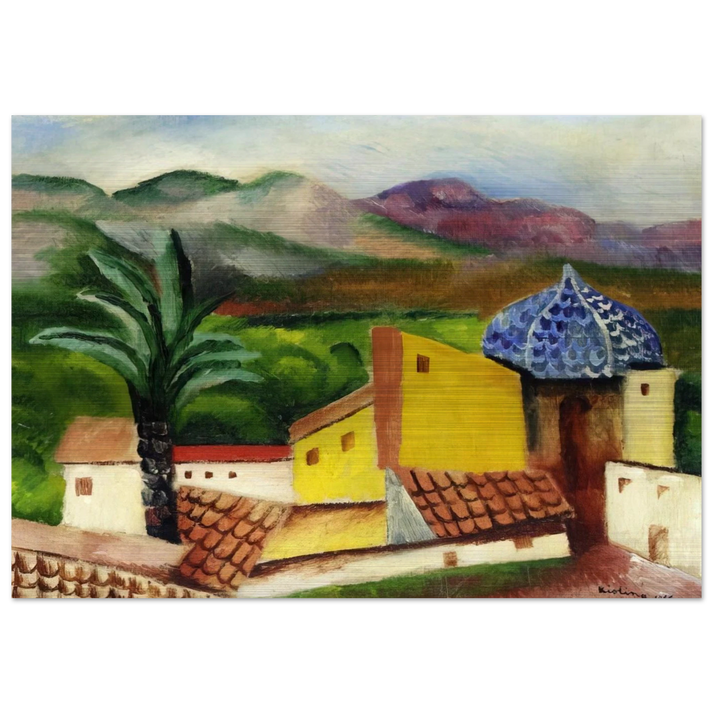


SAGUNTO 1916 - Moise Kisling Aluminiumdruck - 70x100 cm / 28x40 Zoll | Moise Kisling Aluminiumdruck | Moise Kisling Drucke
SAGUNTO 1916 - Moise Kisling Aluminiumdruck - 70x100 cm / 28x40 Zoll | Moise Kisling Aluminiumdruck | Moise Kisling Drucke
Verfügbarkeit für Abholungen konnte nicht geladen werden
SAGUNTO 1916 - Moise Kisling Aluminiumdruck mit gebürsteter Oberfläche
Erleben Sie die kühne, modernistische Vision von Moise Kisling mit dieser museumswürdigen Reproduktion von SAGUNTO 1916. Entstanden während der prägenden Jahre des Künstlers in Paris, fängt dieses Werk die rohe Energie und den avantgardistischen Geist der Kunst des frühen 20. Jahrhunderts ein. Kisling, eine Schlüsselfigur der École de Paris, verbindet meisterhaft kubistische Einflüsse mit expressiver Figuration und schafft so ein Werk, das sowohl dynamisch als auch emotional resonant ist. Der Titel SAGUNTO 1916 bezieht sich vermutlich auf die spanische Stadt Sagunto und deutet auf Kislings Auseinandersetzung mit den kulturellen und politischen Umbrüchen des Ersten Weltkriegs hin, was dieser markanten Komposition eine zusätzliche historische Tiefe verleiht.
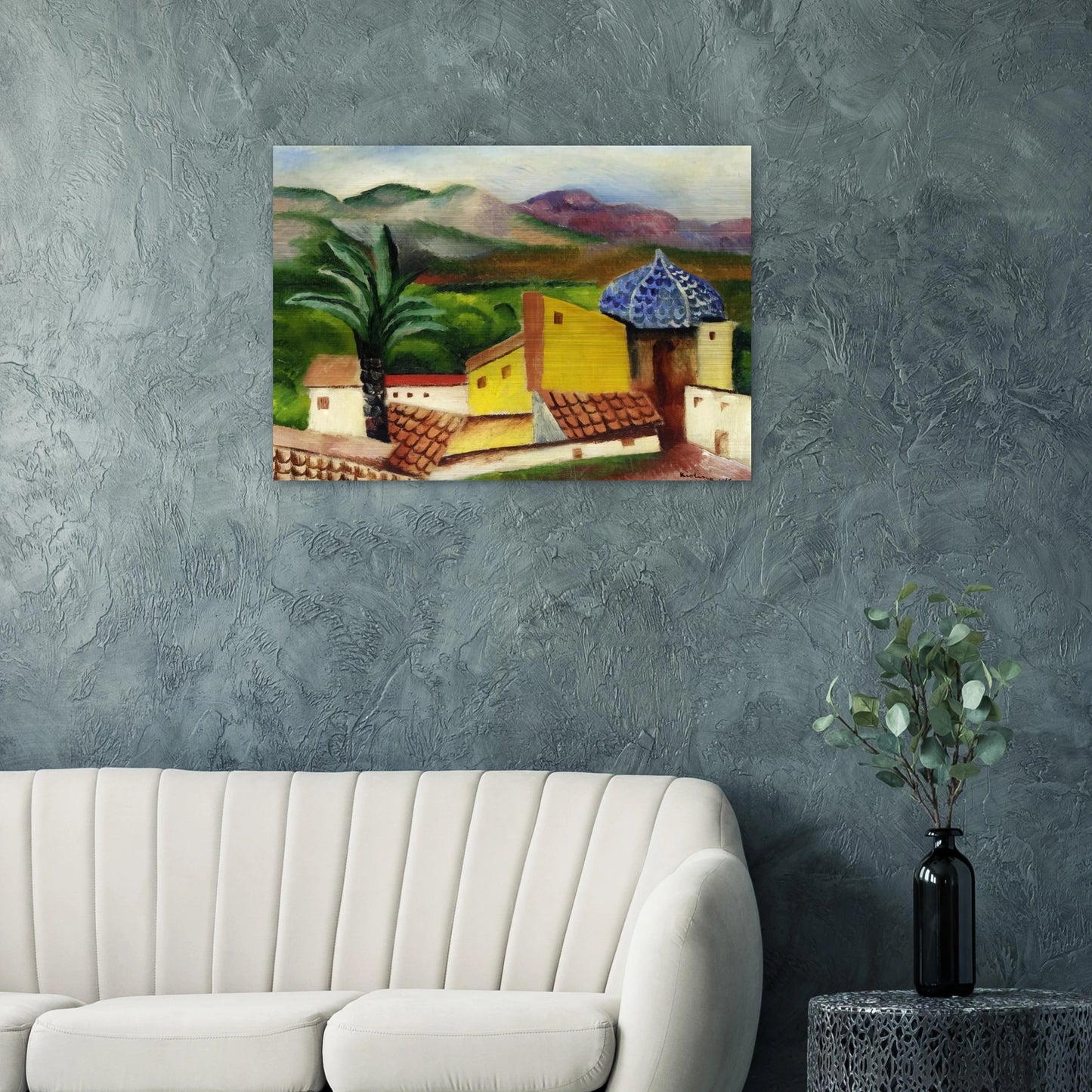
Bei RedKalion ehren wir Kislings Vermächtnis mit einem archivqualitativen Druck, der höchsten Ansprüchen an die feine Kunstreproduktion gerecht wird. Dieser 70x100 cm / 28x40 Zoll gebürstete silberne Aluminium-DIBOND®-Druck zeichnet sich durch einen Direktdruck auf AluDibond aus, der für lebendige Farben und eine matte, blendfreie Oberfläche sorgt, die den Kontrast und die Textur des Kunstwerks verstärkt. Die 3 mm (0,12 Zoll) starke Platte bietet eine stabile, starre Basis, während die horizontale Maserung einen dynamischen, metallisch-silbernen Effekt in unbedruckten Bereichen erzeugt – ideal für Schwarz-Weiß-Designs. Jeder Druck enthält ein Aufhängeset für eine einfache Installation, sodass Sie Ihren Raum mit einem zeitlosen Werk aufwerten können.
Als führende Online-Galerie spezialisiert sich RedKalion auf die kuratierte Präsentation weltklasse Reproduktionen, die Kunstgeschichte lebendig werden lassen. Unser Engagement für archivtaugliche Materialien und präzise Handwerkskunst stellt sicher, dass dieser Druck von Moise Kisling nicht nur das Wesen des Originals einfängt, sondern auch die Zeit überdauert. Ob für Zuhause, Büro oder Galerie – dieser Aluminiumdruck bietet eine anspruchsvolle, moderne Präsentationsmöglichkeit, die Ihren guten Geschmack widerspiegelt.
```


Discover Unlimited Art Possibilities
At RedKalion, you can find virtually any artwork from any artist, available in a wide range of sizes to perfectly match your space.
If you didn’t find what you’re looking for, contact us at support@redkalion.com . We will source any artwork and produce it in any size and format you need, including art prints, posters, canvas, framed pieces, framed canvas, and more.
For dedicated art enthusiasts, we also offer handcrafted replicas of any artwork, carefully painted by highly skilled artists using traditional techniques.
For custom requests, contact us at support@redkalion.com .
What is the historical significance of SAGUNTO 1916 by Moise Kisling?
SAGUNTO 1916 was created during Moise Kisling's early career in Paris, reflecting the avant-garde influences of Cubism and the École de Paris, with potential references to World War I-era cultural shifts.
How does the brushed aluminum material enhance this Moise Kisling print?
The brushed silver Aluminum DIBOND® with a metallic finish and horizontal grain adds a dynamic, modern look, ideal for highlighting the artwork's contrast and texture in a museum-quality reproduction.
What are the specifications of this fine art print?
This print measures 70x100 cm / 28x40 inches, is 3mm thick for durability, and features direct printing on AluDibond with a matte, glare-free finish and included hanging kit.
How is the shipping handled for this aluminum print?
Shipping logistics vary by fulfillment country, with secure packaging to ensure your Moise Kisling print arrives safely and ready for display.
Is this print archival and long-lasting?
Yes, it uses archival-grade materials and direct printing on Aluminum DIBOND® for vivid colors and longevity, making it a durable fine art reproduction.
What artistic techniques did Moise Kisling use in SAGUNTO 1916?
Kisling blended Cubist geometric forms with expressive figuration, using bold lines and contrasting tones to convey emotion and modernist energy in this piece.
Why is the title SAGUNTO 1916 significant to the artwork?
The title likely references Sagunto, Spain, suggesting Kisling's engagement with historical events or cultural themes during World War I, adding depth to the composition.