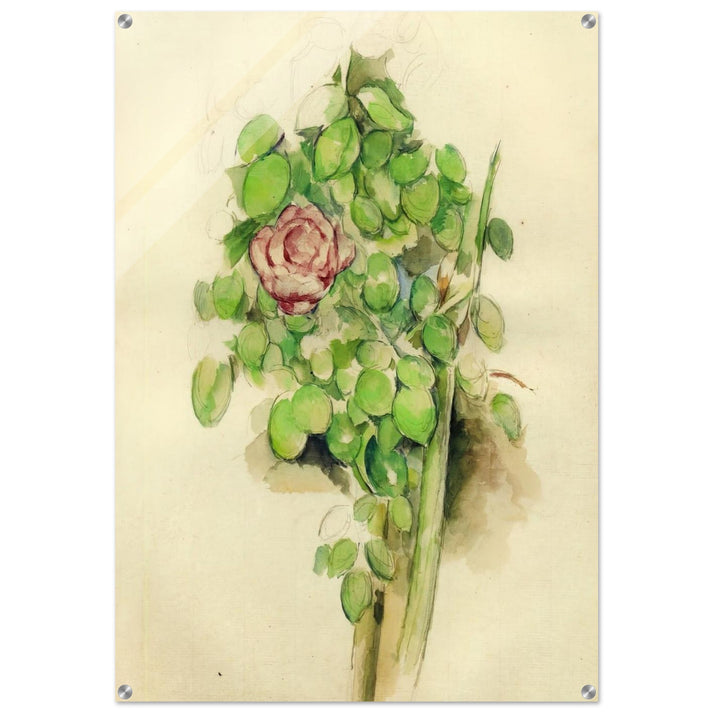
Rosenstrauch - Paul Cézanne Acrylbild - 70x100 cm / 28x40″ Zoll
Rosenstrauch - Paul Cézanne Acrylbild - 70x100 cm / 28x40″ Zoll
Verfügbarkeit für Abholungen konnte nicht geladen werden
Rosenstrauch von Paul Cézanne: Ein museumreifes Acrylbild
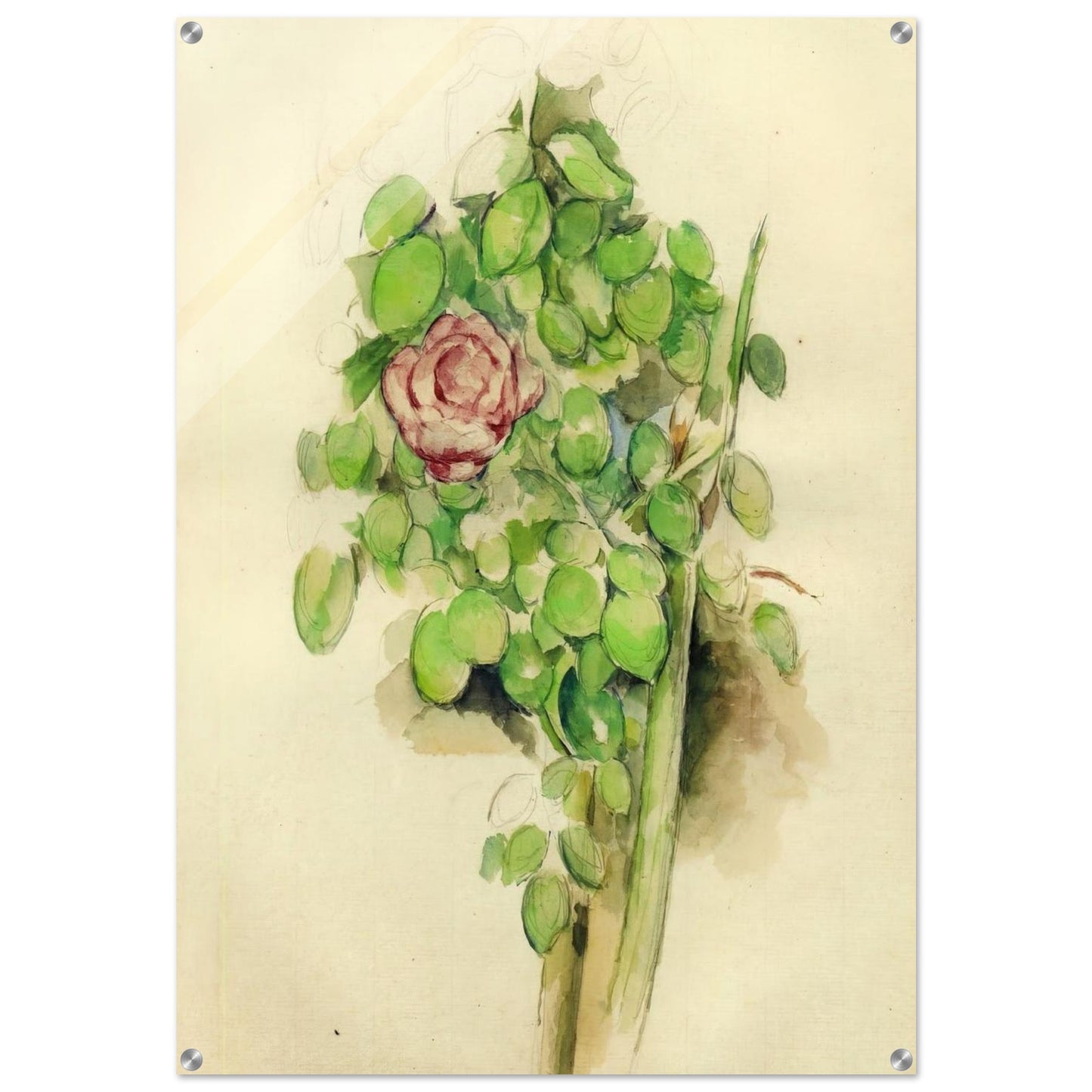
Tauchen Sie ein in die lebendige, texturierte Schönheit von Paul Cézannes „Rosenstrauch”, jetzt als hochwertiges Acrylbild von RedKalion erhältlich. Diese Reproduktion im Format 70x100 cm (28x40 Zoll) fängt das Wesen von Cézannes bahnbrechendem postimpressionistischen Stil ein, in dem kräftige Pinselstriche und reiche Farbharmonien eine einfache Gartenszene in eine Studie von Form und Licht verwandeln. Das um die Wende zum 20. Jahrhundert entstandene Werk spiegelt Cézannes Meisterschaft wider, natürliche Beobachtung mit abstrakter Struktur in Einklang zu bringen und prägte damit Generationen moderner Künstler.
Das archivfeste Bild von RedKalion wird auf 4 mm (0,15 Zoll) starkem Acryl mit makelloser Präzision gefertigt und bietet eine elegante, strapazierfähige Oberfläche, die Farbintensität und Tiefe verstärkt. Mit geraden Schnittkanten für einen modernen Look und standardmäßig transparenten Hintergründen, die für eine optimale Präsentation weiß erscheinen, ist dieses Werk darauf ausgelegt, jeden Innenraum aufzuwerten. Jedes Bild enthält ein vollständiges Aufhängeset mit Befestigungselementen, Schrauben und vorgebohrten Löchern (14 mm vom Rand, 8 mm Durchmesser) für eine mühelose Installation.
Als Ihr vertrauenswürdiger Kurator für hochwertige Kunstreproduktionen stellt RedKalion sicher, dass jedes Detail – von der nuancierten Farbpalette des Künstlers bis hin zu den Premium-Materialien – museumreife Standards erfüllt. Veredeln Sie Ihren Raum mit diesem zeitlosen Meisterwerk, das historische Kunstfertigkeit und zeitgenössisches Design verbindet.
```
Discover Unlimited Art Possibilities
At RedKalion, you can find virtually any artwork from any artist, available in a wide range of sizes to perfectly match your space.
If you didn’t find what you’re looking for, contact us at support@redkalion.com . We will source any artwork and produce it in any size and format you need, including art prints, posters, canvas, framed pieces, framed canvas, and more.
For dedicated art enthusiasts, we also offer handcrafted replicas of any artwork, carefully painted by highly skilled artists using traditional techniques.
For custom requests, contact us at support@redkalion.com .
What are the dimensions and material of this Paul Cézanne acrylic print?
This fine art print measures 70x100 cm (28x40 inches) and is crafted on 4mm (0.15") acrylic for a vibrant, durable finish that enhances Cézanne's color palette.
How is the Rose Bush acrylic print designed for hanging?
It includes a hanging kit with hardware, screws, and pre-drilled holes (14mm from the edge, 8mm diameter) at each corner for easy, secure installation in your home or office.
What makes this reproduction museum-quality?
RedKalion uses archival-grade printing techniques and premium acrylic to capture the texture and hues of Cézanne's original, ensuring a long-lasting, high-fidelity art print.
Can I customize the background color of this print?
Transparent backgrounds default to white for optimal presentation, but contact our team for potential custom options to match your decor with this Post-Impressionist artwork.
How do I care for and clean my acrylic print?
Gently wipe with a soft, dry cloth to maintain its sleek finish; avoid harsh chemicals to preserve the vibrant colors and durability of this premium reproduction.
What is the historical significance of Cézanne's Rose Bush?
Created in the late 19th century, it exemplifies Cézanne's Post-Impressionist style, using bold brushwork to explore form and light, influencing modern art movements.
Why did Cézanne often paint garden scenes like Rose Bush?
Cézanne used natural subjects to experiment with color harmony and structural composition, bridging realism and abstraction in his pioneering artistic approach.