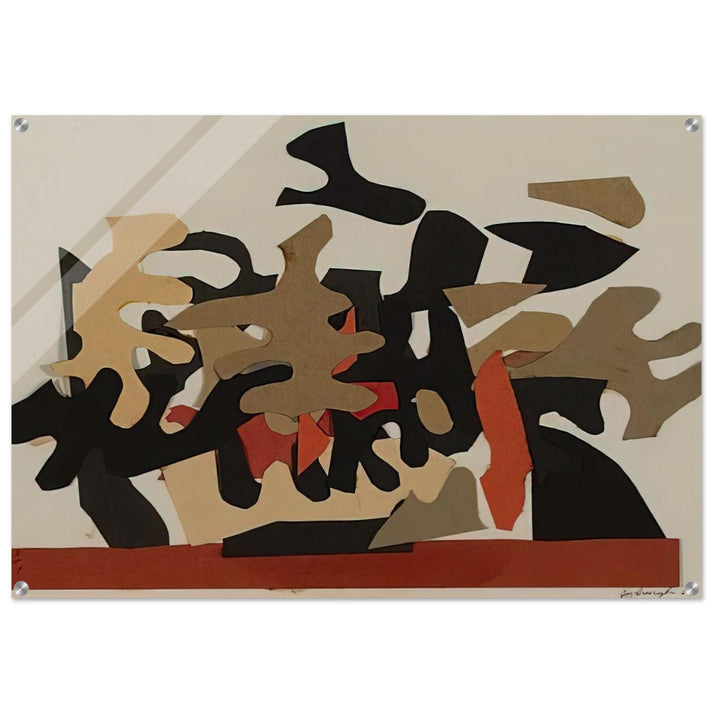


Rotes Boot - 1964 - Robert Goodnough Acrylbild - 70x100 cm / 28x40″ Zoll
Rotes Boot - 1964 - Robert Goodnough Acrylbild - 70x100 cm / 28x40″ Zoll
Verfügbarkeit für Abholungen konnte nicht geladen werden
Rotes Boot (1964) von Robert Goodnough – Museumqualitativer Acryldruck
Erleben Sie die kühne, geometrische Abstraktion von Robert Goodnoughs Rotes Boot (1964), ein Meisterwerk der amerikanischen Kunst des mittleren 20. Jahrhunderts. Dieser Acryldruck fängt die lebendige Energie und präzise Komposition ein, die Goodnoughs einzigartigen Stil definieren, indem er kubistische Einflüsse mit einem modernistischen Sinn für Ästhetik verbindet. Das dynamische Zusammenspiel der Formen und der auffällige Rotton des Kunstwerks vermitteln ein Gefühl von Bewegung und Innovation und machen es zu einem fesselnden Blickfang für jeden zeitgenössischen Raum.
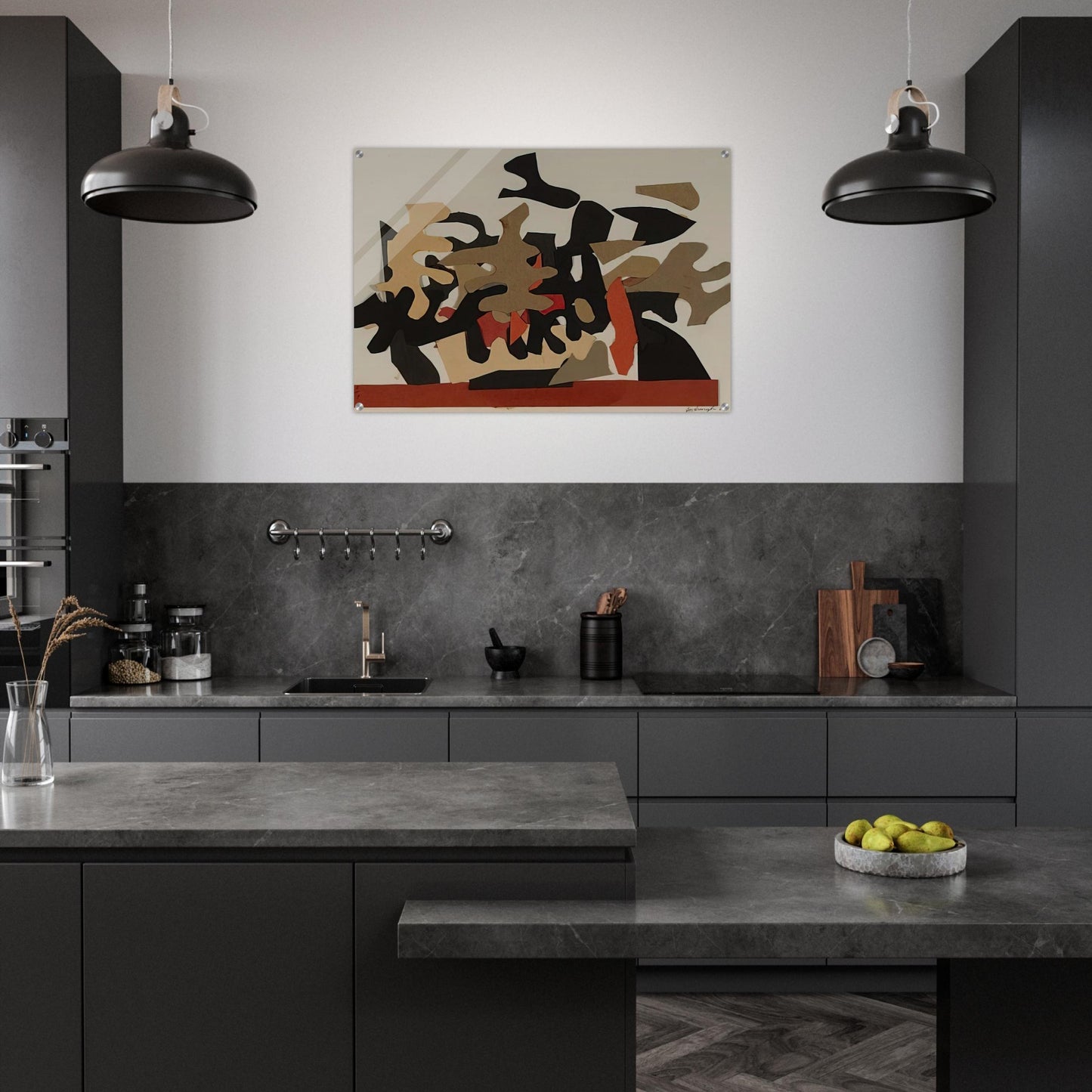
RedKalion präsentiert diese archivbeständige Reproduktion auf einer 4 mm (0,15") Acrylplatte, die einen schlanken, lebendigen und strapazierfähigen Finish garantiert, der mit Galerieausstellungen konkurrieren kann. Mit geraden Schnittkanten für einen modernen Look und transparenten Hintergründen, die auf Weiß optimiert sind, ist dieses Stück darauf ausgelegt, Ihre Einrichtung mit zeitloser Eleganz zu bereichern. Jeder Druck enthält ein vollständiges Aufhängeset – Hardware, Schrauben und vorgebohrte Schraubenlöcher an jeder Ecke (14 mm vom Rand entfernt, 8 mm Durchmesser, 15 mm Schraubenkopf) – für eine mühelose Installation.
Als führender Kurator hochwertiger Kunstdrucke garantiert RedKalion museale Reproduktionen, die die ursprüngliche Vision des Künstlers ehren. Dieser 70 x 100 cm / 28 x 40" Acryldruck ist für Langlebigkeit gefertigt und bietet eine anspruchsvolle Ergänzung für Wohnräume, Büros oder Sammlungen. Bereichern Sie Ihre Umgebung mit einem Stück, das Kunstgeschichte und modernes Design verbindet, unterstützt durch unser Engagement für archivarische Exzellenz.
```


Discover Unlimited Art Possibilities
At RedKalion, you can find virtually any artwork from any artist, available in a wide range of sizes to perfectly match your space.
If you didn’t find what you’re looking for, contact us at support@redkalion.com . We will source any artwork and produce it in any size and format you need, including art prints, posters, canvas, framed pieces, framed canvas, and more.
For dedicated art enthusiasts, we also offer handcrafted replicas of any artwork, carefully painted by highly skilled artists using traditional techniques.
For custom requests, contact us at support@redkalion.com .
What are the dimensions and material of this Robert Goodnough acrylic print?
This fine art print measures 70x100 cm (28x40 inches) and is crafted on a 4mm (0.15") acrylic panel for a sleek, vibrant, and durable museum-quality finish.
How is the Red Boat (1964) acrylic print designed for hanging?
It includes a complete hanging kit with hardware, screws, and pre-drilled screw holes at each corner (14mm from edge, 8mm diameter, 15mm screw head) for easy installation.
What makes Robert Goodnough's Red Boat (1964) historically significant?
Red Boat (1964) showcases Goodnough's geometric abstraction, blending Cubist influences with modernist innovation in mid-20th-century American art.
How does RedKalion ensure the archival quality of this acrylic print?
We use premium 4mm acrylic and precise reproduction techniques to create durable, fade-resistant prints that maintain vibrant colors over time.
What is the shipping and handling process for this artwork?
We ship worldwide with secure packaging to protect your acrylic print, ensuring it arrives ready to display with included hanging hardware.
Why does Red Boat (1964) feature a white background in this reproduction?
Transparent backgrounds default to white for optimal presentation, enhancing the bold red and geometric shapes in Goodnough's composition.
How does this print reflect Robert Goodnough's artistic technique?
It captures Goodnough's use of sharp lines and vibrant colors to create dynamic, abstract forms that evoke movement and modernity.