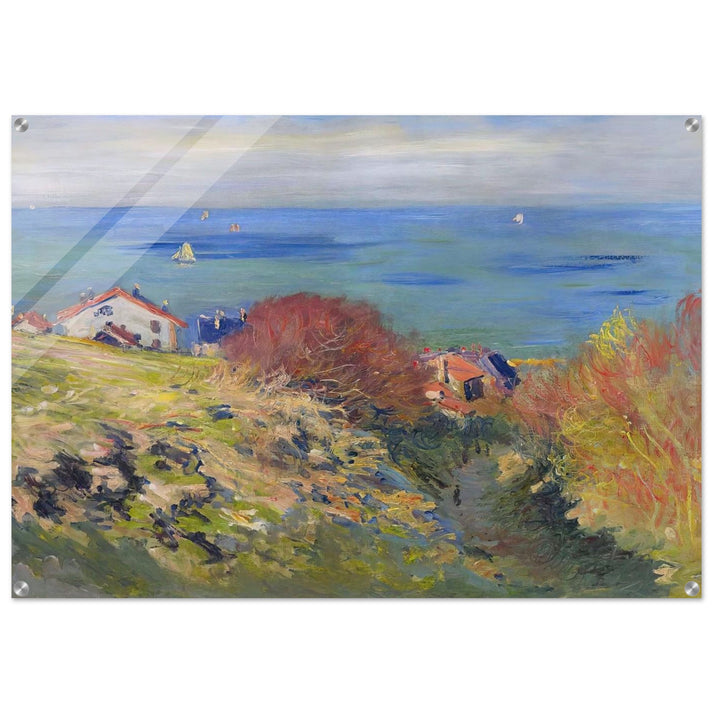


Pourville - Claude Monet Acryl-Druck - 70x100 cm / 28x40″ Zoll
Pourville - Claude Monet Acryl-Druck - 70x100 cm / 28x40″ Zoll
Verfügbarkeit für Abholungen konnte nicht geladen werden
Pourville von Claude Monet: Ein Meisterwerk der impressionistischen Meereslandschaft
Tauchen Sie ein in die friedvolle Schönheit von Claude Monets Pourville, festgehalten in einem museumsqualitativen Acryl-Druck von RedKalion. Dieses ikonische Gemälde aus dem Jahr 1882 zeigt Monets revolutionäre impressionistische Technik, bei der flüchtiges Licht und atmosphärische Effekte die Normandie-Küste in eine Symphonie aus Farbe und Bewegung verwandeln. Das Originalwerk, Teil von Monets gefeierter Serie zur Erforschung der Kanalküste, verbindet Meer, Himmel und Klippen mit lockeren, ausdrucksstarken Pinselstrichen, die eine Atmosphäre von ruhiger Lebendigkeit erzeugen.
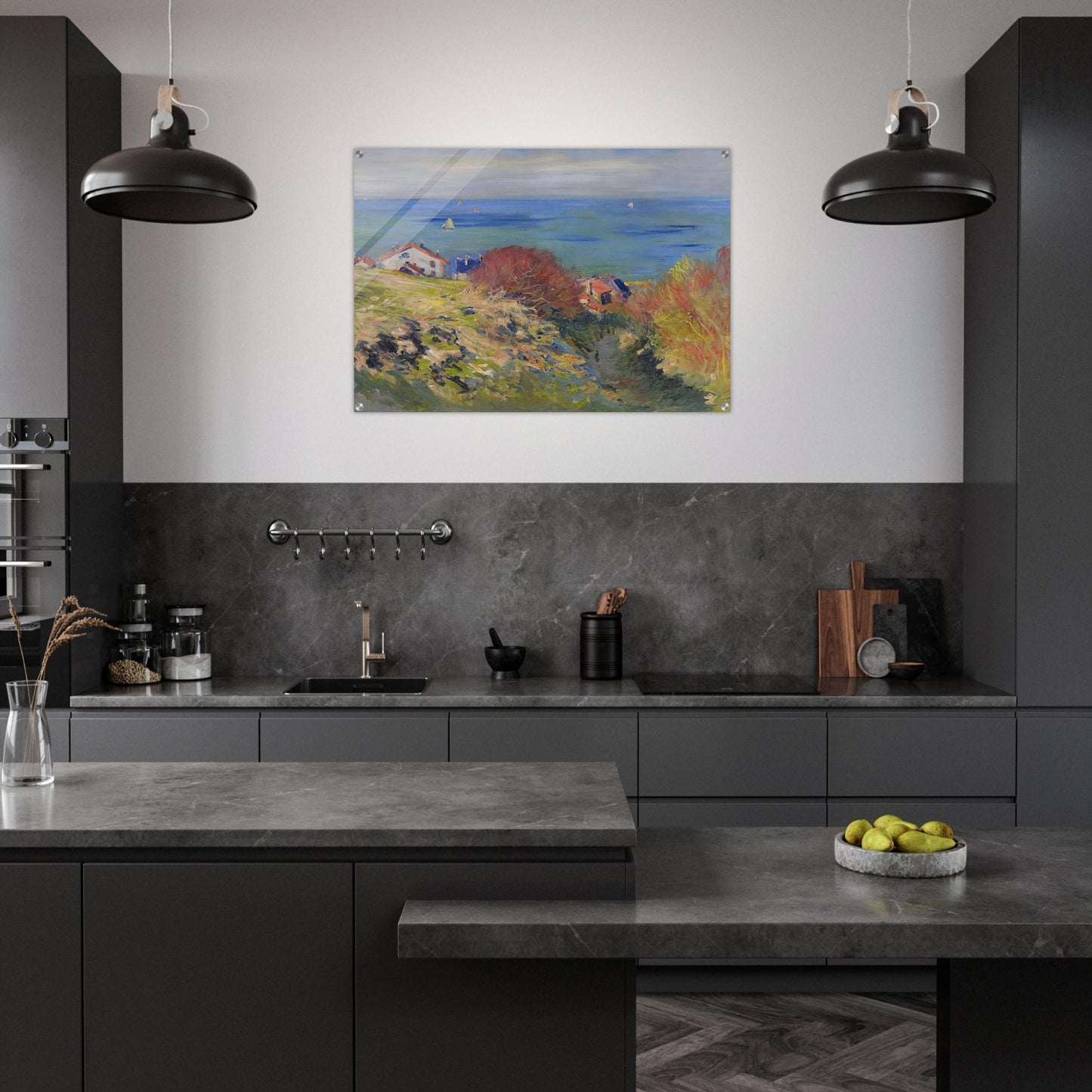
Unsere hochwertige Kunstreproduktion überträgt Monets Vision in ein Format von 70x100 cm (28x40 Zoll), gedruckt auf 4 mm (0,15") Acryl für eine elegante, lebendige und strapazierfähige Oberfläche. Der archivbeständige Druckprozess stellt sicher, dass jeder Farbton – von den sanften Blautönen des Wassers bis zu den warmen Tönen der Klippen – lebendig und originalgetreu zu Monets Palette bleibt. Gerade geschnittene Ecken verleihen dem Werk ein modernes Aussehen, während transparente Hintergründe standardmäßig weiß sind, um eine optimale Präsentation zu gewährleisten. Dieses Stück wird so zu einem atemberaubenden Blickfang in jedem Innenraum.
Veredeln Sie Ihren Raum mit einem archivbeständigen Meisterwerk, das Bestand hat. Dieser Claude-Monet-Druck enthält ein vollständiges Aufhängeset mit Befestigungselementen, Schrauben und vorgebohrten Schraubenlöchern an jeder Ecke (positioniert 14 mm/0,55" vom Rand entfernt, mit einem 8-mm/0,31"-Loch und 15-mm/0,6"-Schraubenkopf) für eine mühelose Installation. Vertrauen Sie RedKalion für Premium-Kunstdrucke, die das Erbe des Impressionismus ehren und historische Kunstfertigkeit mit moderner Haltbarkeit verbinden.
```


Discover Unlimited Art Possibilities
At RedKalion, you can find virtually any artwork from any artist, available in a wide range of sizes to perfectly match your space.
If you didn’t find what you’re looking for, contact us at support@redkalion.com . We will source any artwork and produce it in any size and format you need, including art prints, posters, canvas, framed pieces, framed canvas, and more.
For dedicated art enthusiasts, we also offer handcrafted replicas of any artwork, carefully painted by highly skilled artists using traditional techniques.
For custom requests, contact us at support@redkalion.com .
What are the dimensions and material of this Claude Monet print?
This fine art reproduction measures 70x100 cm (28x40 inches) and is printed on 4mm (0.15") acrylic for a sleek, vibrant, and durable museum-quality finish.
How is the Pourville acrylic print designed for hanging?
It includes a hanging kit with hardware, screws, and pre-drilled screw holes at each corner (14mm/0.55" from the edge, 8mm/0.31" diameter hole, 15mm/0.6" screw head) for easy installation.
What is the historical significance of Monet's Pourville painting?
Painted in 1882, Pourville is part of Monet's Impressionist series exploring the Normandy coast, showcasing his technique of capturing light and atmosphere with loose brushstrokes.
How does RedKalion ensure the print quality matches the original artwork?
We use archival-grade printing to reproduce Monet's vibrant palette accurately, ensuring this museum-quality acrylic print remains true to his 1882 seascape.
What makes this acrylic print a durable choice for home decor?
The 4mm acrylic material offers a vibrant, scratch-resistant finish, and straight-cut corners with a modern design enhance its longevity as a premium art reproduction.
Why did Monet choose Pourville as a subject for his paintings?
Monet was drawn to Pourville's coastal cliffs and sea for their changing light effects, allowing him to experiment with Impressionist techniques in natural settings.
How does the print handle backgrounds or edges for display?
Transparent backgrounds default to white for optimal presentation, and straight-cut corners provide a clean, modern look suitable for any interior space.