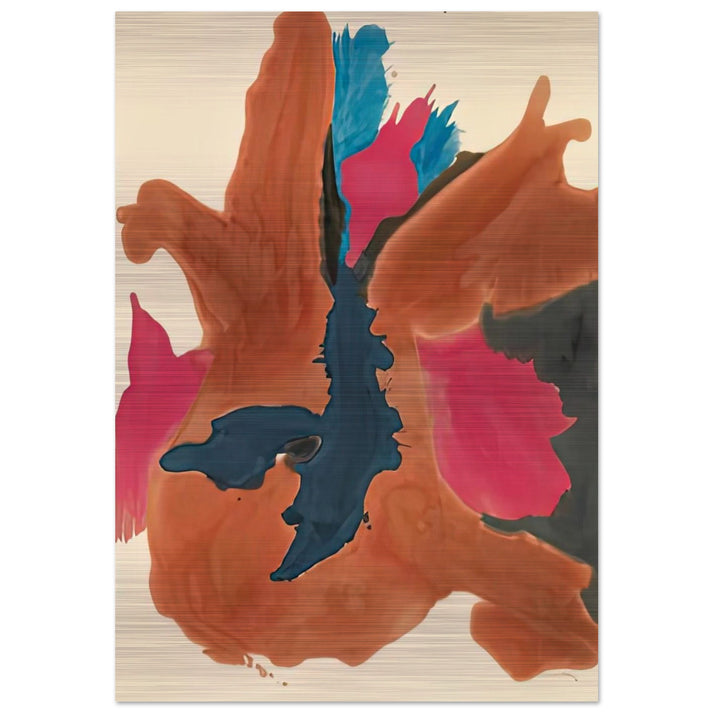


Pink Lady, 1963 - Helen Frankenthaler Aluminium-Druck - 70x100 cm / 28x40 Zoll | Helen Frankenthaler Aluminium-Druck | Helen Frankenthaler Drucke
Pink Lady, 1963 - Helen Frankenthaler Aluminium-Druck - 70x100 cm / 28x40 Zoll | Helen Frankenthaler Aluminium-Druck | Helen Frankenthaler Drucke
Verfügbarkeit für Abholungen konnte nicht geladen werden
Helen Frankenthalers „Pink Lady, 1963“ – Ein monumentales Meisterwerk des Abstrakten Expressionismus
Tauchen Sie ein in die strahlende Energie von Helen Frankenthalers „Pink Lady, 1963“, die nun als exklusiver museumsqualitativer Aluminiumdruck von RedKalion erhältlich ist. Dieses ikonische Werk fängt die Essenz von Frankenthalers revolutionärer „Soak-Stain“-Technik ein, bei der verdünnte Acrylfarbe direkt auf ungegrundete Leinwand gegossen wurde, wodurch ätherische, aquarellartige Farbverläufe entstanden, die die Farbfeldmalerei prägten. Der dominante Rosaton – kühn, aber zart – vermittelt ein Gefühl lyrischer Abstraktion, emotionaler Tiefe und modernistischer Innovation und macht es zu einem zeitlosen Blickfang für zeitgenössische Innenräume.
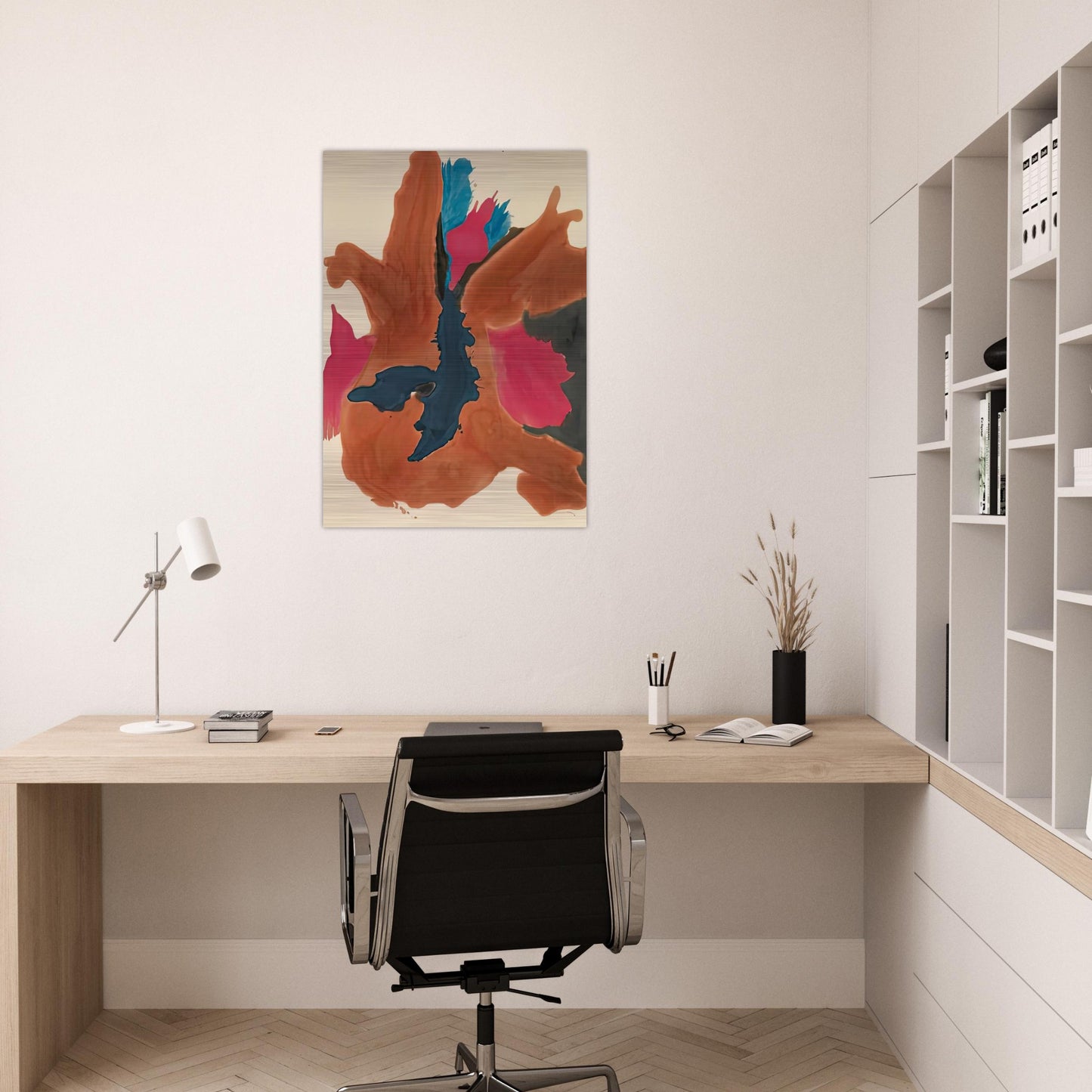
RedKalion präsentiert dieses Kunstwerk als hochwertigen gebürsteten silbernen Aluminium-DIBOND®-Druck, sorgfältig reproduziert, um Frankenthalers visionäre Farbpalette zu ehren. Mit den Maßen 70x100 cm (28x40 Zoll) und einer Stärke von 3 mm (0,12 Zoll) vereint dieses Stück archivbeständige Haltbarkeit mit eleganter Modernität. Der Direktdruck auf AluDibond garantiert lebendige Farben und eine mattierte, blendfreie Oberfläche, während unbedruckte Bereiche einen dynamischen metallisch-silbernen Effekt mit horizontaler Maserung zeigen, der die leuchtende Qualität des Kunstwerks unterstreicht. Jeder Druck enthält ein Aufhängeset für eine einfache Installation, angepasst an Ihre Region.
Veredeln Sie Ihren Raum mit einem archivbeständigen Meisterwerk, kuratiert von RedKalion – Ihrer vertrauenswürdigen Quelle für hochwertige Kunstreproduktionen, die historische Bedeutung und modernes Design verbinden.
```


Discover Unlimited Art Possibilities
At RedKalion, you can find virtually any artwork from any artist, available in a wide range of sizes to perfectly match your space.
If you didn’t find what you’re looking for, contact us at support@redkalion.com . We will source any artwork and produce it in any size and format you need, including art prints, posters, canvas, framed pieces, framed canvas, and more.
For dedicated art enthusiasts, we also offer handcrafted replicas of any artwork, carefully painted by highly skilled artists using traditional techniques.
For custom requests, contact us at support@redkalion.com .
What is the historical significance of 'Pink Lady, 1963' by Helen Frankenthaler?
'Pink Lady, 1963' exemplifies Frankenthaler's soak-stain technique, pivotal in Color Field painting, using thinned acrylic for ethereal washes that influenced artists like Morris Louis and Kenneth Noland.
How does the brushed aluminum material enhance this Frankenthaler print?
The brushed silver Aluminum DIBOND® with a metallic finish and horizontal grain adds dynamic texture, making colors pop and unprinted areas shine for a modern, durable display.
What are the specifications of this Helen Frankenthaler aluminum print?
This museum-quality reproduction measures 70x100 cm (28x40 inches), is 3mm thick, features direct printing for vivid colors, and includes a matte finish with a hanging kit.
Is the hanging kit included with this fine art print?
Yes, a hanging kit is included for easy installation; specific components may vary by fulfillment country to ensure secure mounting.
How does the matte finish benefit this abstract expressionist artwork?
The matte, glare-free finish minimizes reflections, ideal for viewing Frankenthaler's subtle color gradients and enhancing the brushed silver effect in any lighting.
What makes RedKalion's reproductions archival and long-lasting?
RedKalion uses premium Aluminum DIBOND® and direct printing techniques to resist fading, ensuring this Helen Frankenthaler print remains vibrant for decades.
How was Frankenthaler's soak-stain technique innovative in the 1960s?
Frankenthaler poured thinned paint onto raw canvas, creating spontaneous, stained effects that broke from traditional brushwork, defining a new abstract expressionist style.