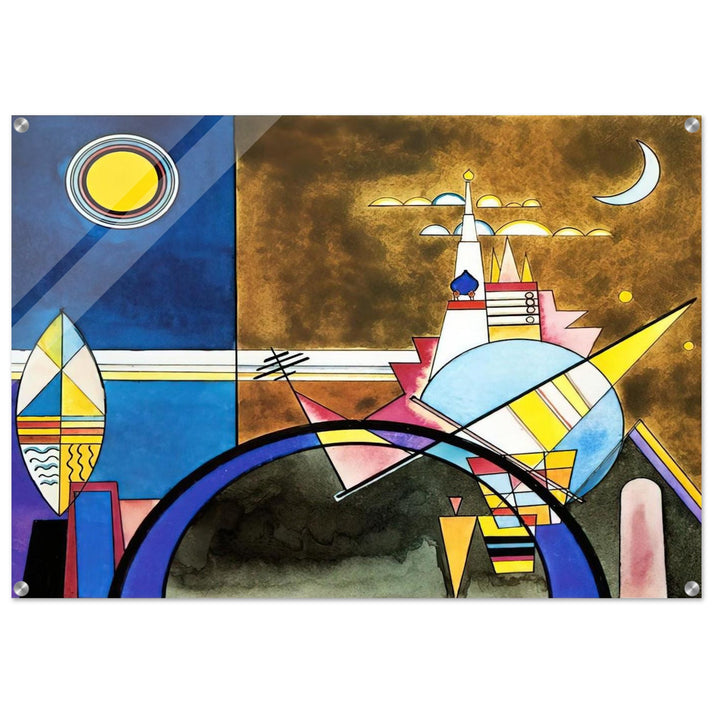


BILD XVI DAS GROSSE TOR VON KIEW BÜHNENBILD FÜR MUSSORGSKYS BILDER EINER AUSSTELLUNG IM JAHR 1928 - Wassily Kandinsky Acryl-Druck - 70x100 cm / 28x40″ Zoll | Wassily Kandinsky Wandkunst | Wassily Kandinsky Drucke
BILD XVI DAS GROSSE TOR VON KIEW BÜHNENBILD FÜR MUSSORGSKYS BILDER EINER AUSSTELLUNG IM JAHR 1928 - Wassily Kandinsky Acryl-Druck - 70x100 cm / 28x40″ Zoll | Wassily Kandinsky Wandkunst | Wassily Kandinsky Drucke
Verfügbarkeit für Abholungen konnte nicht geladen werden
Wassily Kandinskys „BILD XVI DAS GROSSE TOR VON KIEW BÜHNENBILD ZU MUSSORGSKYS „BILDER EINER AUSSTELLUNG“ VON 1928“ – Acrylglasdruck
Tauchen Sie ein in die bahnbrechende Vision von Wassily Kandinsky mit diesem museumswürdigen Acrylglasdruck von „BILD XVI DAS GROSSE TOR VON KIEW BÜHNENBILD ZU MUSSORGSKYS „BILDER EINER AUSSTELLUNG“ VON 1928“. Das 1928 entstandene Kunstwerk markiert einen Meilenstein der modernen Kunst, in dem Kandinsky die musikalischen Kompositionen von Modest Mussorgsky in ein lebendiges, abstraktes Bühnenbild übersetzte. Als Mitbegründer des abstrakten Expressionismus zeigt Kandinsky in diesem Werk mit seinen kühnen geometrischen Formen und dynamischen Farbharmonien seinen Glauben an die spirituelle Kraft der Kunst, Emotionen jenseits der wörtlichen Darstellung zu wecken. Dieser hochwertige Kunstdruck fängt jedes Detail seines avantgardistischen Ansatzes ein und macht ihn zu einem faszinierenden Blickfang für jede Kunstliebhaber-Sammlung.
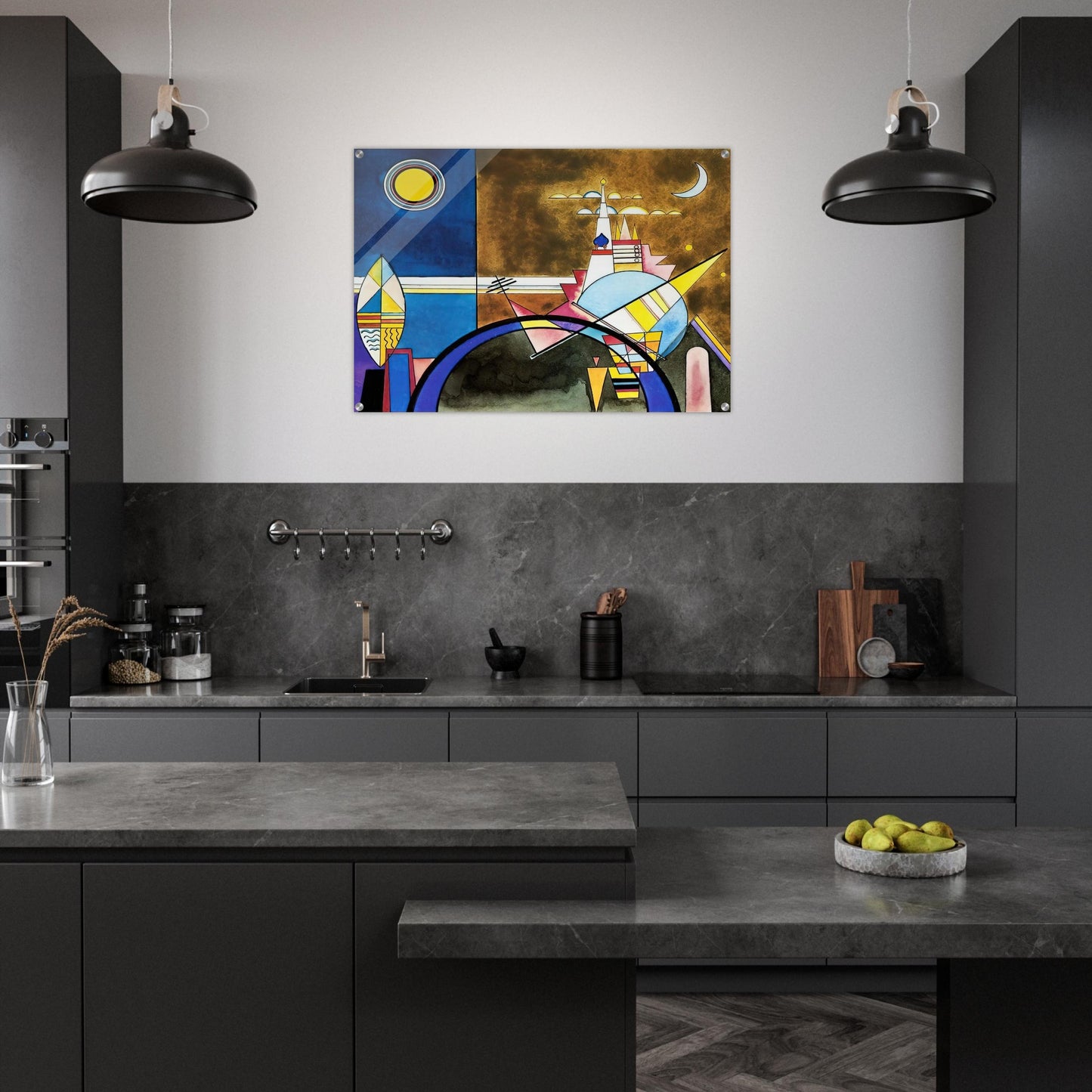
RedKalion präsentiert dieses Meisterwerk als Premium-Acrylglasdruck im Format 70x100 cm (28x40 Zoll), hergestellt nach Archivstandards. Die 4 mm starke Acrylglasoberfläche verstärkt die lebendigen Farben und scharfen Linien des Kunstwerks und bietet einen eleganten, strapazierfähigen Finish, der vor Ausbleichen und Beschädigungen schützt. Mit geraden Schnittkanten für einen modernen Look und transparenten Hintergründen, die für Klarheit auf Weiß optimiert sind, garantiert diese Reproduktion Kandinskys abstrakte Brillanz. Jedes Stück enthält ein vollständiges Aufhängeset mit Befestigungselementen, Schrauben und vorgebohrten Löchern (14 mm vom Rand, 8 mm Durchmesser, 15 mm Schraubenkopf) für eine mühelose, galeriefertige Installation. Veredeln Sie Ihren Raum mit einem archivierbaren Meisterwerk, das Bestand hat und den innovativen Geist der frühen Kunst des 20. Jahrhunderts in Ihr Zuhause oder Büro bringt.
- Kunstwerk: „BILD XVI DAS GROSSE TOR VON KIEW BÜHNENBILD ZU MUSSORGSKYS „BILDER EINER AUSSTELLUNG“ VON 1928“ von Wassily Kandinsky
- Drucktyp: Acrylglasdruck, 70x100 cm / 28x40 Zoll
- Material: 4 mm starkes Acrylglas für lebendige, strapazierfähige Präsentation
- Design: Gerade Schnittkanten; transparente Hintergründe standardmäßig auf Weiß eingestellt
- Aufhängeset: Enthält Befestigungselemente, Schrauben und vorgebohrte Löcher (14 mm vom Rand, 8 mm Durchmesser, 15 mm Schraubenkopf)


Discover Unlimited Art Possibilities
At RedKalion, you can find virtually any artwork from any artist, available in a wide range of sizes to perfectly match your space.
If you didn’t find what you’re looking for, contact us at support@redkalion.com . We will source any artwork and produce it in any size and format you need, including art prints, posters, canvas, framed pieces, framed canvas, and more.
For dedicated art enthusiasts, we also offer handcrafted replicas of any artwork, carefully painted by highly skilled artists using traditional techniques.
For custom requests, contact us at support@redkalion.com .
What is the historical significance of this Kandinsky artwork?
Created in 1928, this piece is part of Kandinsky's stage designs for Mussorgsky's "Pictures at an Exhibition," showcasing his abstract expressionism and innovative translation of music into visual art, making it a key work in modern art history.
How does the acrylic material enhance this fine art print?
The 4mm (0.15") acrylic provides a sleek, vibrant finish that intensifies colors and sharpness, offering durability and a modern look for this museum-quality reproduction of Kandinsky wall art.
What are the dimensions and specifications of this acrylic print?
This Wassily Kandinsky print measures 70x100 cm (28x40 inches), with straight-cut corners and a white-optimized background, designed for easy hanging with included hardware and pre-drilled holes.
How is the hanging kit installed for this artwork?
The kit includes screws and hardware, with screw holes 14mm (0.55") from the edge, 8mm (0.31") in diameter, and 15mm (0.6") screw heads, ensuring secure and straightforward mounting.
Is this print archival and long-lasting?
Yes, this archival-grade acrylic print resists fading and damage, making it a durable choice for preserving Kandinsky's abstract masterpiece as a high-quality wall art reproduction.
What inspired Kandinsky's design for this stage set?
Kandinsky was inspired by Modest Mussorgsky's musical suite "Pictures at an Exhibition," using abstract forms and colors to visually interpret the music's themes, particularly in "The Great Gate of Kiev."
How does this artwork fit into Kandinsky's broader artistic style?
This 1928 work exemplifies Kandinsky's late abstract period, blending geometric abstraction with expressive color theory to evoke emotional and spiritual responses, key to his role in pioneering abstract art.