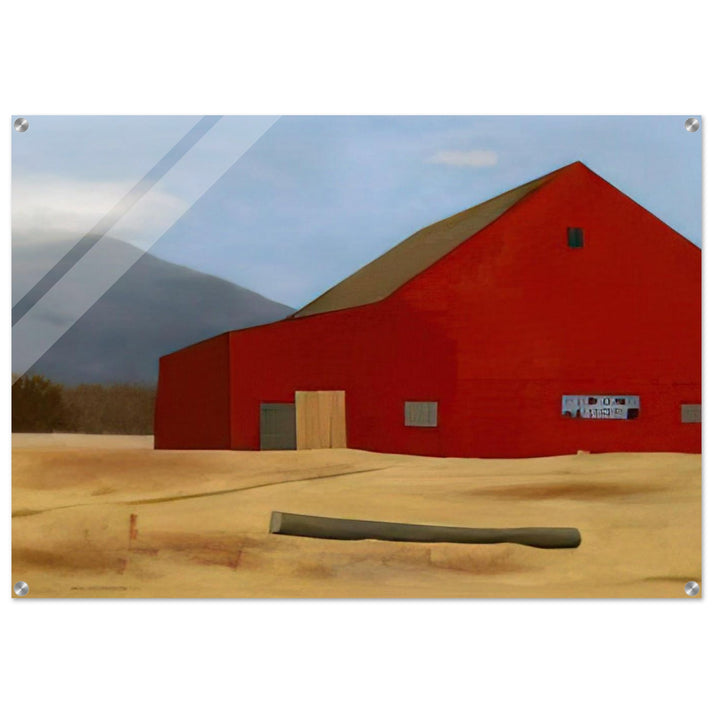


Orange Nr. 2 1939 - Precisionismus - Ralston Crawford Acryl-Druck - 70x100 cm / 28x40″ Zoll
Orange Nr. 2 1939 - Precisionismus - Ralston Crawford Acryl-Druck - 70x100 cm / 28x40″ Zoll
Verfügbarkeit für Abholungen konnte nicht geladen werden
Orange Nr. 2 1939 von Ralston Crawford: Ein Meisterwerk des Precisionismus
Tauchen Sie ein in die kühne, geometrische Klarheit von Ralston Crawfords „Orange Nr. 2 1939“, jetzt als museumreife Acryl-Druck von RedKalion erhältlich. Dieses ikonische Werk verkörpert die Precisionismus-Bewegung und fängt das industrielle Amerika mit scharfen Linien, vereinfachten Formen und einem lebendigen Orangeton ein, der Aufmerksamkeit erregt. Crawfords akribische Komposition verwandelt alltägliche Maschinen in eine Studie über Licht, Schatten und modernistische Abstraktion und vermittelt ein Gefühl von dynamischer Energie und rationalem Fortschritt.
Unsere hochwertige Reproduktion bewahrt jedes Detail von Crawfords Vision. Auf 4 mm (0,15") Acryl gedruckt, bietet dieses Stück einen schlanken, lebendigen Finish, der Farbsättigung und Haltbarkeit verbessert. Die geraden Schnittkanten und das moderne Design ergänzen die klare Ästhetik des Kunstwerks, während transparente Hintergründe standardmäßig weiß sind, um eine optimale Präsentation zu gewährleisten. Mit den Maßen 70 x 100 cm / 28 x 40" kommt es mit einem vollständigen Aufhängeset, einschließlich Hardware, Schrauben und vorgebohrten Schraubenlöchern an jeder Ecke (14 mm / 0,55" vom Rand entfernt, mit 8 mm / 0,31" Lochdurchmesser und 15 mm / 0,6" Schraubenköpfen).
Veredeln Sie Ihren Raum mit einem archivierbaren Meisterwerk, das Bestand hat – unterstützt durch RedKalions Engagement für hochwertige Kunstdrucke ohne Kompromisse.
```


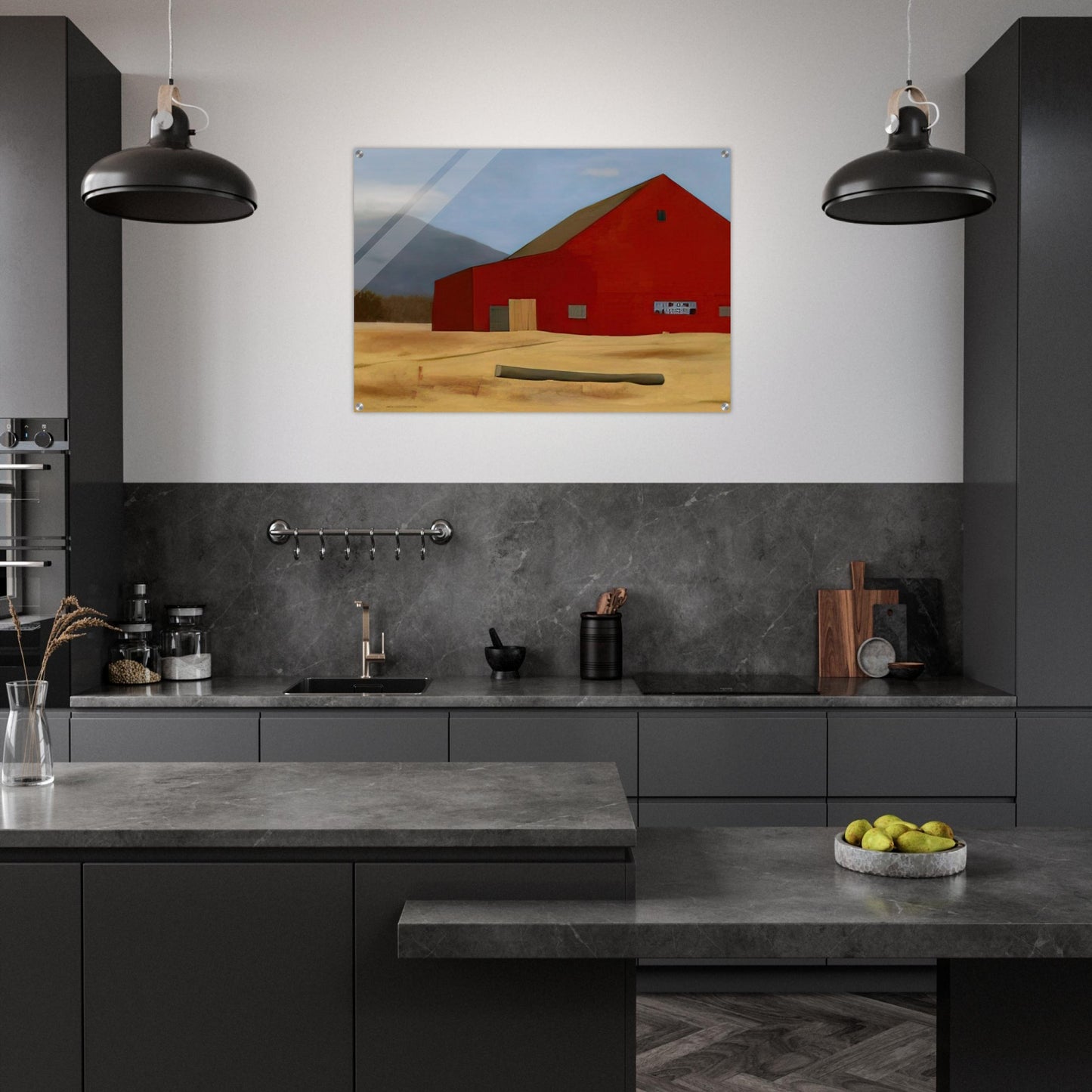
Discover Unlimited Art Possibilities
At RedKalion, you can find virtually any artwork from any artist, available in a wide range of sizes to perfectly match your space.
If you didn’t find what you’re looking for, contact us at support@redkalion.com . We will source any artwork and produce it in any size and format you need, including art prints, posters, canvas, framed pieces, framed canvas, and more.
For dedicated art enthusiasts, we also offer handcrafted replicas of any artwork, carefully painted by highly skilled artists using traditional techniques.
For custom requests, contact us at support@redkalion.com .
What is the historical significance of "Orange No. 2 1939" by Ralston Crawford?
This artwork is a key example of Precisionism, a 20th-century American movement that celebrated industrial modernity through geometric forms and crisp lines, reflecting Crawford's fascination with machinery and urban landscapes.
How does the acrylic material enhance this fine art print?
The 4mm (0.15") acrylic provides a vibrant, durable finish that intensifies colors and offers a sleek, modern look, ensuring your museum-quality reproduction remains pristine for years.
What are the dimensions and hanging details for this acrylic print?
It measures 70x100 cm / 28x40" inches with straight-cut corners and includes a hanging kit with pre-drilled screw holes (14mm/0.55" from edges) for easy, secure installation.
Transparent backgrounds default to white for optimal presentation, maintaining the artwork's original integrity while enhancing visibility in any setting.
How does RedKalion ensure the archival longevity of this reproduction?
We use premium materials and printing techniques to create durable, fade-resistant acrylic prints that preserve Crawford's vision as a long-lasting fine art investment.
What inspired Ralston Crawford's use of orange in this piece?
Crawford employed vibrant orange to evoke industrial warmth and energy, contrasting with geometric forms to highlight the dynamism of American machinery in the Precisionist style.
Can I learn more about the Precisionism movement related to this artwork?
Precisionism, active in the early 20th century, focused on depicting industrial subjects with clean, abstracted lines, influencing later modernist art and design trends.