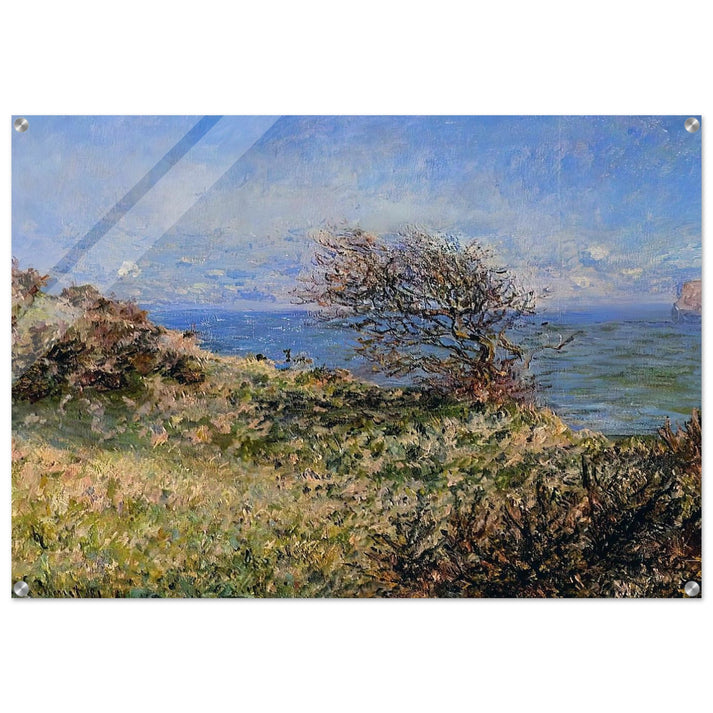


Am Klippen von Fécamp - Claude Monet Acrylbild - 70x100 cm / 28x40″ Zoll
Am Klippen von Fécamp - Claude Monet Acrylbild - 70x100 cm / 28x40″ Zoll
Verfügbarkeit für Abholungen konnte nicht geladen werden
Am Klippenrand von Fécamp von Claude Monet – Museumqualitativer Acryl-Druck
Tauchen Sie ein in die strahlende Schönheit von Claude Monets Am Klippenrand von Fécamp, einem Meisterwerk der impressionistischen Ära, das nun als hochwertiger Acryl-Druck von RedKalion erhältlich ist. Diese 70x100 cm große Reproduktion fängt das flüchtige Licht und die atmosphärische Dramatik der normannischen Küste ein, wo Monet mit revolutionärer Pinselführung die Seeklippen mit lebendigen Farben und dynamischen Texturen zum Leben erweckt.
Monet malte diese Szene 1881 während einer produktiven Phase, in der er die Kanalküste erkundete. Meisterhaft vermittelt er die rohe Kraft der Natur durch lockere, ausdrucksstarke Pinselstriche, die den Impressionismus definieren. Das Kunstwerk strahlt eine ruhige Erhabenheit und zeitlose natürliche Schönheit aus und eignet sich daher ideal als zentrales Element für moderne Wohnzimmer, Büros oder Galerien, die ihren ästhetischen Anspruch mit hochwertiger Kunst aufwerten möchten.
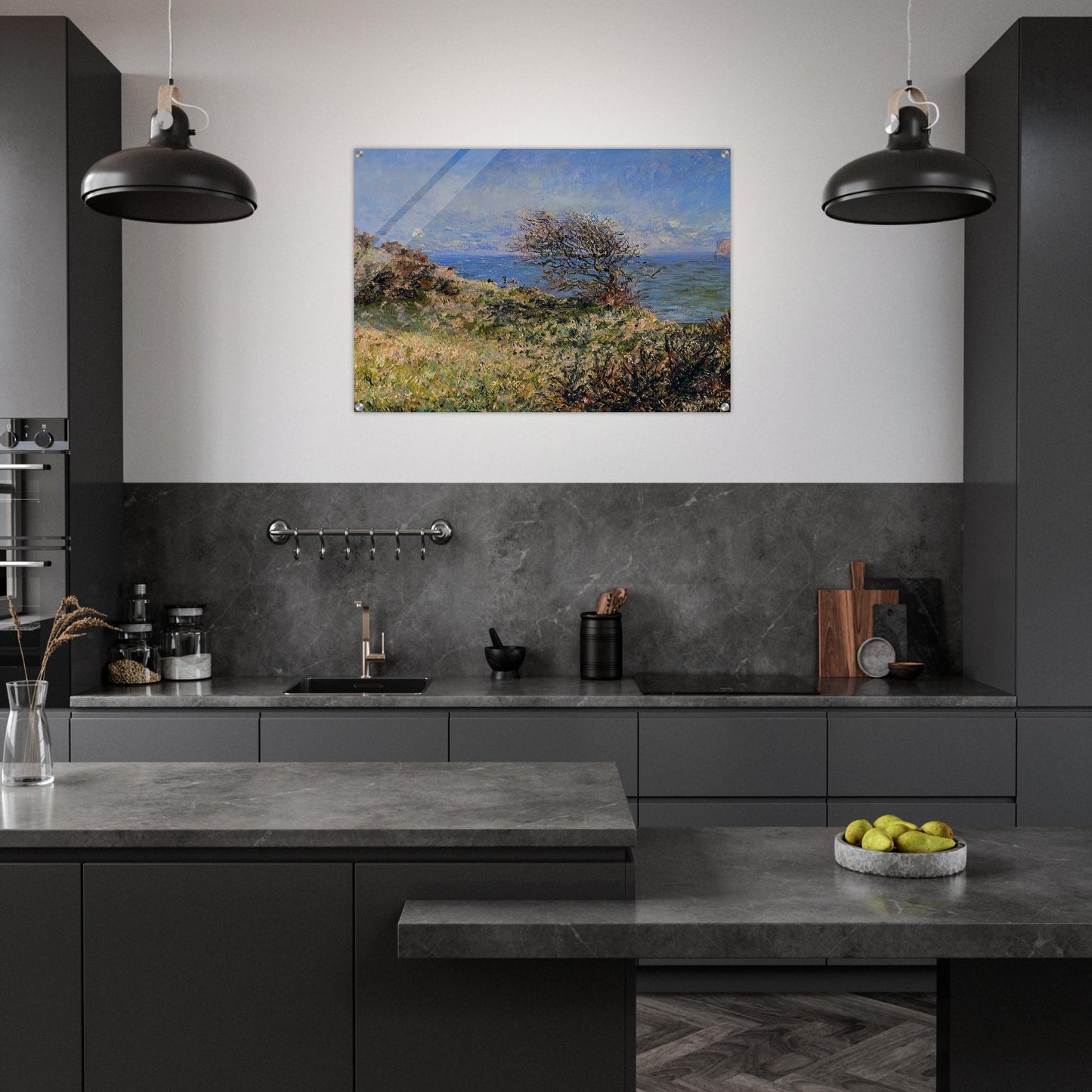
RedKalions archivqualitativer Druck garantiert, dass jedes Detail – von der schimmernden See bis zu den strukturierten Klippen – mit museumsgerechter Präzision wiedergegeben wird. Auf strapazierfähigem 4 mm starkem Acryl gedruckt, bietet dieses Werk einen eleganten, lebendigen Look, der die Farbtiefe verstärkt und langanhaltende Haltbarkeit gewährleistet. Die geraden Schnittkanten und das moderne Design mit transparentem Hintergrund (standardmäßig weiß) sorgen für eine gepflegte Präsentation, die sofort ausgestellt werden kann.
Jeder Druck enthält ein vollständiges Aufhängeset mit Befestigungselementen, Schrauben und vorgebohrten Löchern (14 mm vom Rand, 8 mm Durchmesser, 15 mm Schraubenkopf) für eine mühelose Installation. Vertrauen Sie RedKalion für eine erbstückwürdige Reproduktion, die Monets Vermächtnis ehrt und gleichzeitig zeitlose Eleganz in Ihren Raum bringt.
```


Discover Unlimited Art Possibilities
At RedKalion, you can find virtually any artwork from any artist, available in a wide range of sizes to perfectly match your space.
If you didn’t find what you’re looking for, contact us at support@redkalion.com . We will source any artwork and produce it in any size and format you need, including art prints, posters, canvas, framed pieces, framed canvas, and more.
For dedicated art enthusiasts, we also offer handcrafted replicas of any artwork, carefully painted by highly skilled artists using traditional techniques.
For custom requests, contact us at support@redkalion.com .
What are the dimensions of this Claude Monet acrylic print?
This fine art print measures 70x100 cm (28x40 inches), a premium size that showcases Monet's detailed brushwork and coastal scene with impressive clarity.
What material is used for this museum-quality reproduction?
It features a 4mm (0.15") acrylic surface, offering a sleek, vibrant finish that enhances color depth and ensures durability for long-lasting display.
How is this acrylic print shipped and installed?
We include a hanging kit with hardware and screws. The print has pre-drilled screw holes (14mm from edge, 8mm diameter) for easy, secure mounting on your wall.
Is this artwork archival and fade-resistant?
Yes, our archival printing process uses high-quality inks and acrylic to resist fading, ensuring this Monet reproduction maintains its vibrant colors for years.
What design features does this acrylic print have?
It has straight-cut corners for a modern look, with transparent backgrounds defaulting to white to optimize presentation of Monet's coastal masterpiece.
When did Claude Monet paint On the Cliff at Fecamp?
Monet created this artwork in 1881 during his explorations of the Normandy coast, capturing the dramatic light and atmosphere that define Impressionism.
What makes this scene typical of Monet's style?
It showcases his signature loose brushwork and focus on natural light, conveying the sea cliffs' texture and mood with vibrant, expressive color.