
Verlorene Kunst Druck 'Imagination' | Museum-Qualität Fine-Art-Druck | RedKalion
Verlorene Kunst Druck 'Imagination' | Museum-Qualität Fine-Art-Druck | RedKalion
Verfügbarkeit für Abholungen konnte nicht geladen werden
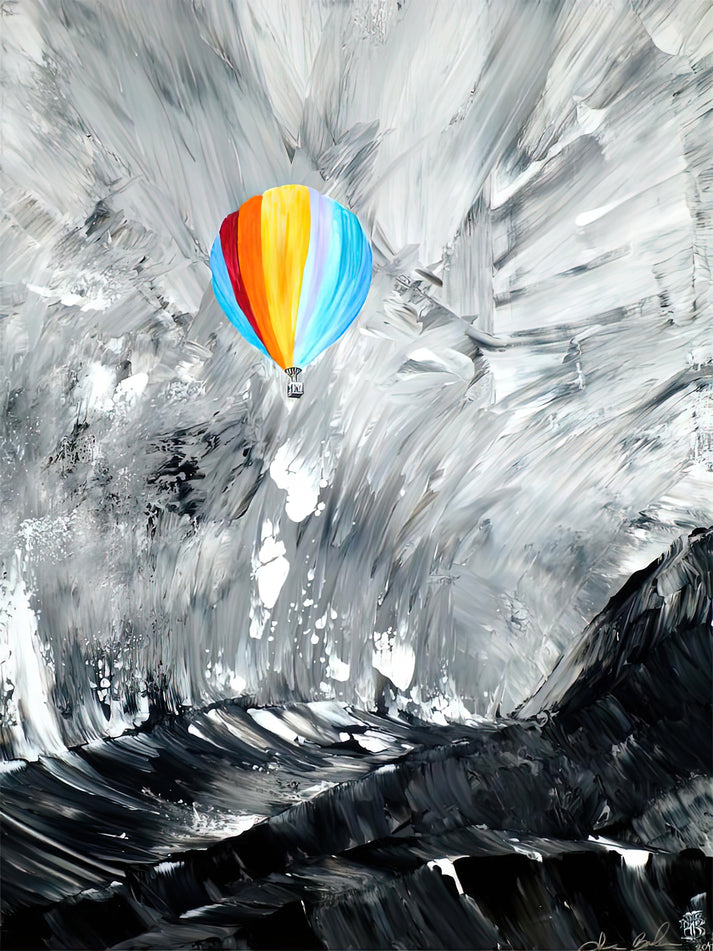
RedKalion präsentiert einen hochwertigen Kunstdruck von „Imagination. die verlorene Kunst“, ein Werk, das das berührende Thema der verlorenen Kunst verkörpert. Dieses Stück, das aufgrund seiner rätselhaften Geschichte oft von Geheimnissen umgeben ist, spiegelt einen breiteren kulturellen Diskurs über Kunstwerke wider, die aus dem öffentlichen Blickfeld oder historischen Aufzeichnungen verschwunden sind. Entstanden in einer Zeit, in der Dokumentationen rar waren, dient es als Beweis für die Vergänglichkeit künstlerischen Erbes und den unermüdlichen menschlichen Drang, Schönheit zu bewahren.
Historischer Kontext dieses verlorenen Kunstwerks
Als verlorenes Kunstwerk stammt „Imagination“ wahrscheinlich aus einer Epoche, die von künstlerischem Experimentieren und gesellschaftlichem Umbruch geprägt war, wie dem späten 19. oder frühen 20. Jahrhundert. Sein Verschwinden könnte auf Faktoren wie Krieg, Vernachlässigung oder private Sammlungen zurückgehen – ein häufiges Schicksal vieler als „verlorene Kunst“ geltender Werke. Kunsthistoriker vermuten, dass sein Stil zwischen Romantik und frühem Modernismus angesiedelt ist, mit expressivem Pinselstrich und symbolischer Bildsprache, die konventionelle Interpretationen herausfordern.
Stilanalyse und Expertenmeinungen
Dieser Kunstdruck des verlorenen Werks offenbart bei genauer Betrachtung nuancierte Details: Die Verwendung gedämpfter Farbtöne deutet auf eine melancholische Stimmung hin, während dynamische Kompositionen auf die Erkundung innerer Welten durch den Künstler hindeuten. Experten weisen darauf hin, dass solche Werke oft Elemente des Surrealismus oder der Abstraktion einbeziehen und damit entscheidend für das Verständnis künstlerischer Entwicklungen sind. Die Reproduktion von RedKalion fängt diese Feinheiten ein und bietet einen Einblick in ein Werk, das ansonsten unzugänglich bleiben könnte.
Druckspezifikationen & Materialien
- Verfügbare Größen: 75×100 cm / 30×40″, 40×50 cm / 16×20″, 21×29,7 cm / 8×12″
- Papierfinish: Matt, ungestrichen, natürlich weiß (cremeweiß)
- Säurefrei: pH-Wert über 7, um Vergilben mit der Zeit zu verhindern
- Papiergewicht: 250 g/m² (110 lb) | Dicke: 0,29 mm (11,4 mils)
- Nachhaltiges Papier: FSC-zertifiziert
Mit der Wahl dieses Kunstdrucks eines verlorenen Werks von RedKalion investieren Sie in eine sorgfältig gefertigte Reproduktion, die das Erbe des Originals ehrt. Unsere museumsgerechten Standards gewährleisten, dass dieses einst als verlorene Kunst geltende Werk neu gewürdigt werden kann und so Vergangenheit und Gegenwart für Kunstliebhaber und Sammler verbindet.
```
Discover Unlimited Art Possibilities
At RedKalion, you can find virtually any artwork from any artist, available in a wide range of sizes to perfectly match your space.
If you didn’t find what you’re looking for, contact us at support@redkalion.com . We will source any artwork and produce it in any size and format you need, including art prints, posters, canvas, framed pieces, framed canvas, and more.
For dedicated art enthusiasts, we also offer handcrafted replicas of any artwork, carefully painted by highly skilled artists using traditional techniques.
For custom requests, contact us at support@redkalion.com .
What is the historical significance of 'Imagination. the Lost Art'?
This lost artwork represents a critical gap in art history, often linked to periods of cultural transition. Its themes explore imagination and loss, reflecting broader societal changes and the ephemeral nature of artistic creation.
What are the key stylistic features of this lost art print?
The print shows expressive brushwork and symbolic imagery, blending Romantic and Modernist elements. Its muted colors and dynamic composition highlight the artist's introspective approach, typical of lost art from its era.
What paper is used for RedKalion's fine art prints?
We use FSC-certified, acid-free paper with a matte finish to ensure archival longevity. This premium 250 gsm paper prevents yellowing and offers a natural white tone for accurate color reproduction in lost art prints.
How is the lost art print shipped to ensure protection?
Prints are shipped in sturdy, flat packaging with protective layers to prevent damage. We offer tracked shipping options for secure delivery of your museum-quality lost artwork print.
How long will this lost art print last without fading?
With acid-free paper and UV-resistant inks, this print can last decades without significant fading. Proper framing and display away from direct sunlight enhance its archival quality for lost artwork preservation.
Why is 'Imagination' considered a lost artwork?
It is deemed lost due to its disappearance from public records or collections, possibly during conflicts or through private ownership. Such pieces often resurface in fragments or through reproductions like this fine art print.
What details in the print reveal its artistic era?
Elements like brushstroke techniques and color palette suggest origins in the late 1800s or early 1900s. These details help art historians place lost art within specific movements, adding to its historical value.