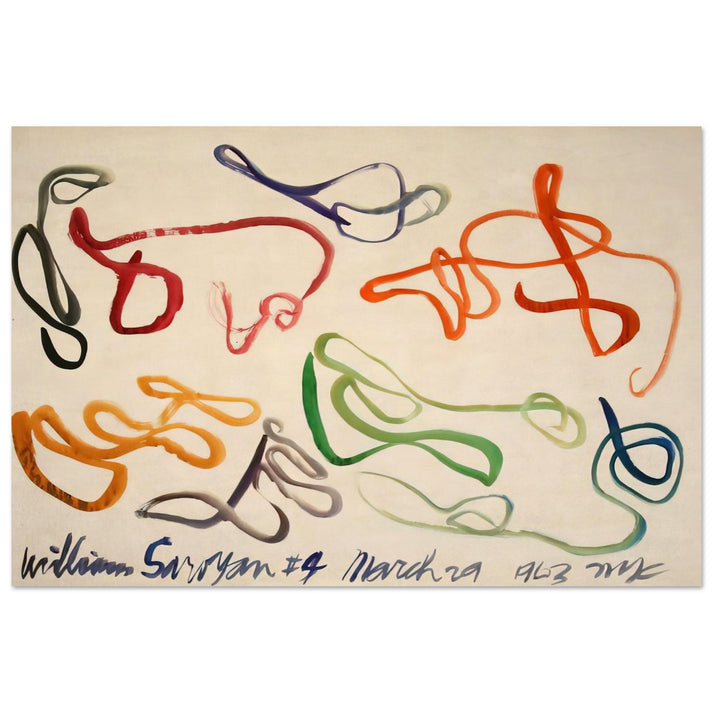


#4 March 29, 1963 NYC - 1963 - William Saroyan Art Prints - 100x150 cm / 40x60″ inches | William Saroyan Poster | William Saroyan Prints
#4 March 29, 1963 NYC - 1963 - William Saroyan Art Prints - 100x150 cm / 40x60″ inches | William Saroyan Poster | William Saroyan Prints
Verfügbarkeit für Abholungen konnte nicht geladen werden
Elevate Your Space with #4 March 29, 1963 NYC – A Museum-Quality William Saroyan Print
Immerse yourself in the raw, poetic energy of mid-century New York through William Saroyan’s #4 March 29, 1963 NYC, a masterful work that captures the essence of an era defined by creative rebellion and urban vitality. This fine art print is not merely a reproduction—it is a museum-quality archival masterpiece, meticulously crafted to preserve the artist’s original intent while offering a tactile, luxurious experience.
Saroyan, celebrated for his lyrical prose and keen observation of human emotion, translated his literary genius into visual art with this evocative piece. #4 March 29, 193 NYC reflects the spontaneity and introspection of the 1960s, a time when artists like Saroyan blurred the lines between writing and visual expression. The composition’s bold lines and subdued palette evoke the grit and grace of New York City, making it a timeless addition to any collection.
At RedKalion, we understand that true art lovers demand more than a print—they seek archival-grade quality that stands the test of time. This William Saroyan poster is printed on our exclusive Master’s Edition archival paper, a 250 gsm (110 lb), uncoated, off-white surface that mirrors the texture and depth of original artworks. With a pH above 7, this acid-free paper resists yellowing, ensuring your print remains vibrant for generations. The matte finish eliminates glare, allowing the artwork’s nuances to shine in any lighting.
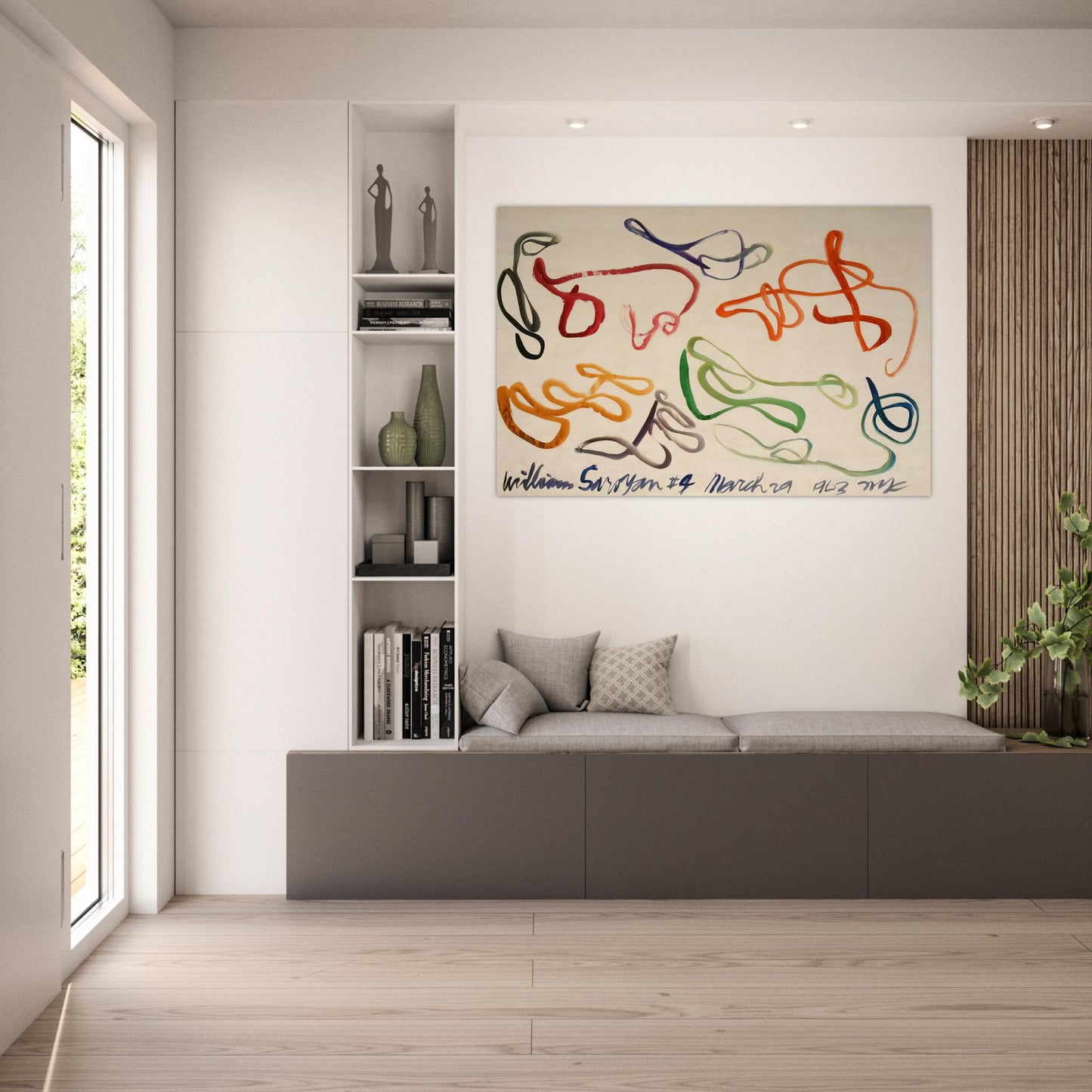
Available in a commanding 100x150 cm (40x60″) size, this William Saroyan print commands attention while maintaining the subtlety of the original. Whether displayed in a minimalist loft, a curated gallery wall, or a cozy reading nook, it transforms any space into a sanctuary of artistic refinement. As stewards of FSC-certified sustainable paper, we ensure that your purchase aligns with both aesthetic and environmental values.
Own a piece of literary and artistic history—elevate your home with a William Saroyan masterpiece that bridges the gap between past and present.


Discover Unlimited Art Possibilities
At RedKalion, you can find virtually any artwork from any artist, available in a wide range of sizes to perfectly match your space.
If you didn’t find what you’re looking for, contact us at support@redkalion.com . We will source any artwork and produce it in any size and format you need, including art prints, posters, canvas, framed pieces, framed canvas, and more.
For dedicated art enthusiasts, we also offer handcrafted replicas of any artwork, carefully painted by highly skilled artists using traditional techniques.
For custom requests, contact us at support@redkalion.com .
What is the significance of #4 March 29, 1963 NYC by William Saroyan?
This artwork reflects Saroyan’s dual genius as a writer and visual artist, capturing the essence of 1960s New York through bold lines and introspective energy. It’s a rare fusion of literary and artistic expression.
What paper is used for this William Saroyan print?
We use our Master’s Edition archival paper: 250 gsm, uncoated, off-white, acid-free, and FSC-certified for sustainability. It ensures museum-quality longevity and a luxurious matte finish.
Is this print acid-free and archival?
Yes, our acid-free paper (pH above 7) prevents yellowing, ensuring your William Saroyan poster remains vibrant for decades. It’s designed for archival permanence.
What sizes are available for this William Saroyan print?
This print is available in 100x150 cm (40x60″), a commanding size that preserves the artwork’s detail and impact while suiting modern interiors.
How is the print packaged and shipped?
Each fine art print is rolled in a sturdy tube and shipped with care to prevent damage. We offer secure, tracked shipping worldwide for your peace of mind.
Can I frame this print myself?
Absolutely. The matte, uncoated finish and generous size make it ideal for custom framing. We recommend archival matting to complement its museum-quality aesthetic.
What inspired William Saroyan’s visual artworks like this one?
Saroyan’s visual art was inspired by his literary themes—human connection, urban life, and emotional authenticity. This piece reflects his love for New York’s creative energy in the 1960s.